Trump pledges U.S. backing for Israeli strikes on Iran missiles if talks fail
Trump tells Netanyahu the U.S. would back Israeli strikes on Iran's missiles if negotiations collapse, raising urgent regional humanitarian and health concerns.
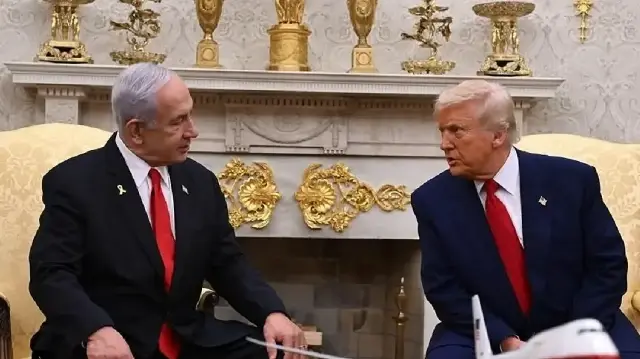
President Trump told Prime Minister Benjamin Netanyahu today that the United States would back Israeli strikes on Iran's ballistic missile program if nuclear negotiations collapse, a move that immediately intensified worries about the humanitarian and public health fallout of a potential military escalation.
The pledge marks a significant shift in signaling from Washington and risks widening a conflict that public health experts warn could have severe, long-term consequences across the Middle East. Military strikes on missile sites, many of which are near civilian population centers or industrial facilities, could produce direct casualties and longer-term population health impacts from damaged infrastructure, contaminated water and air, and disrupted healthcare delivery.
Hospitals and clinics operating with limited surge capacity would face the first wave of crisis. Damage to electrical grids and fuel supplies would impede life-saving services such as surgery, intensive care and dialysis, as well as refrigeration for vaccines and chronic disease medicines. Disruption of sanitation and clean water systems increases the risk of diarrhea and vector-borne diseases, particularly among children and older adults. Mental health needs would also spike as communities face displacement, loss and insecurity.
Strikes on or near storage sites for munitions and industrial chemicals would raise the specter of toxic exposures. Even without the use of unconventional weapons, fires and explosions can release particulates and hazardous compounds that exacerbate respiratory disease and complicate care for people with asthma, chronic obstructive pulmonary disease and cardiovascular conditions. Air pollution from intensive strikes may lead to increased hospital admissions and strain already fragile health systems across borders.
Beyond immediate medical effects, a wider conflict threatens to deepen social inequities. Displaced populations typically fall hardest on those with the fewest resources: low-income families, ethnic and religious minorities, and rural communities with limited access to care. Humanitarian corridors and relief operations are often hampered in active combat zones, leaving vulnerable groups without food, shelter or medical assistance. In the United States and other countries, diaspora communities could face increased stigma and mental health stressors related to geopolitical tensions.

The policy dimensions are consequential. U.S. backing for strikes could alter calculations in Tehran and Jerusalem and may prompt calls for greater congressional oversight of executive decisions that could draw the United States into hostilities. International law and protections for medical facilities and civilians will be central to humanitarian advocacy, and global health agencies are likely to press for contingency planning and predictable funding for cross-border relief.
Public health officials say preparations should include rapid deployment of medical teams experienced in trauma and infectious disease control, stockpiles of oxygen and essential medicines, robust surveillance for outbreaks, and mental health services tailored to survivors and refugees. Equally important are diplomatic avenues to reduce the likelihood of conflict and mechanisms to shield hospitals, water supplies and humanitarian operations from attack.
As leaders weigh strategic options, the prospect of U.S.-backed strikes heightens the urgency of integrating health impact assessments into national security planning. Without robust protections and coordinated regional responses, any military campaign risks producing a humanitarian emergency that would compound the human cost of conflict for years to come.
This article was produced by Prism’s automated news system from verified source data, official records, and press releases, then run through automated quality and moderation checks before publishing. The system is built and supervised by the people who set the standards it runs under. Read our full AI policy.
Did this article answer your question?

