Trump policies stall $83 billion in clean-energy investment, report says
Trump-era clean-energy rollbacks have stalled 223 projects worth $82.9 billion and put 111,765 jobs at risk, BlueGreen Alliance says.
BlueGreen Alliance analysis released July 14 found Trump administration policies have stalled or canceled 223 manufacturing, clean-energy and industrial projects worth at least $82.9 billion and up to 111,765 jobs. Labor leaders met with Senate Democrats in Washington to discuss the clean-energy workforce.
The 223 projects break down into 84 manufacturing projects worth at least $52 billion and 139 clean-energy and industrial projects worth at least $30.8 billion. The job impact includes 47,135 manufacturing jobs and 56,959 construction jobs.
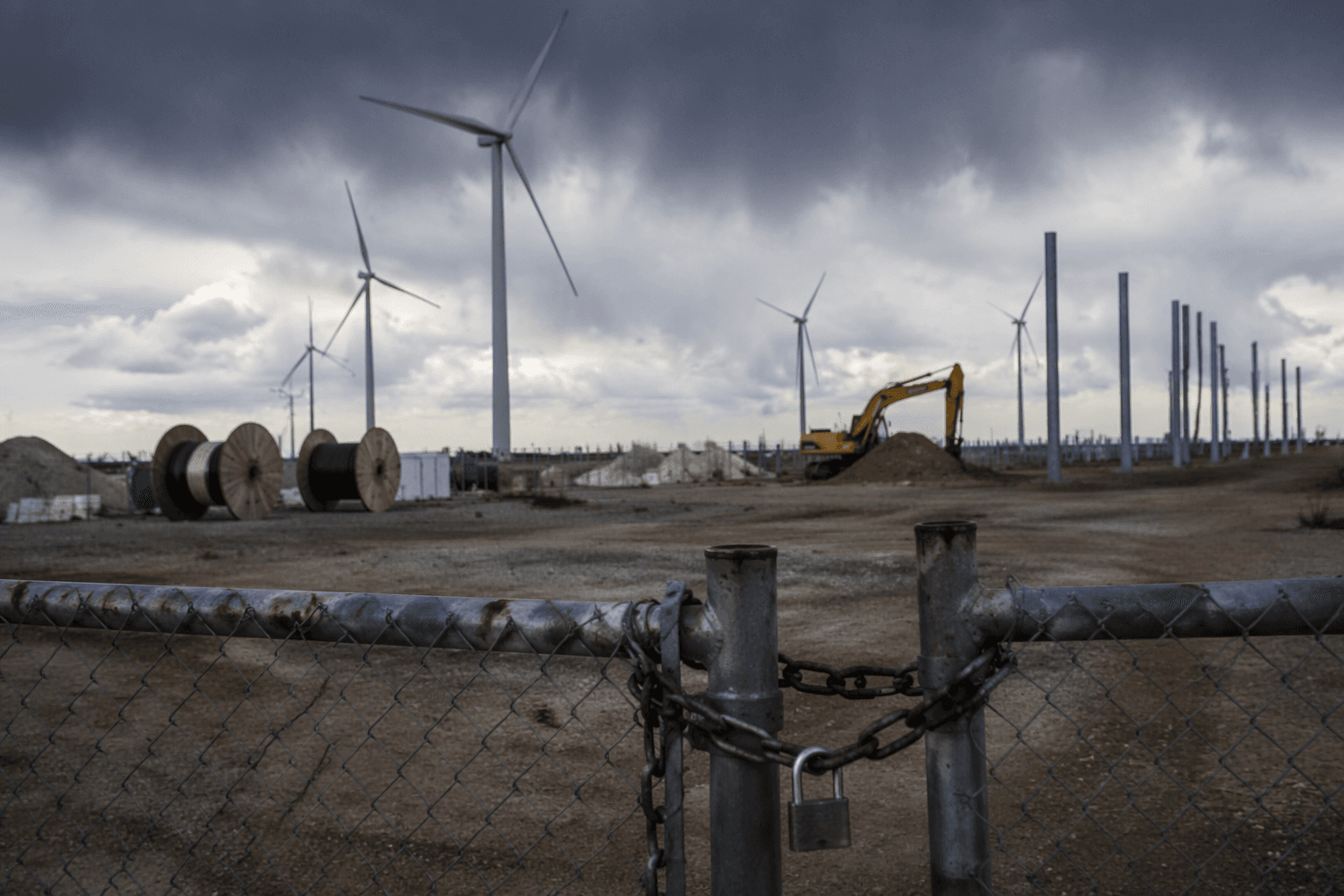
The setbacks are largely tied to the One Big Beautiful Bill Act, which repealed or narrowed Biden-era incentives and tightened deadlines and eligibility rules for clean-energy tax credits. More than 3,034 manufacturing, clean-energy and industrial sites now face stricter tax restrictions under the law, putting $695.2 billion in capital investment and 1,184,996 jobs at risk. The administration has also ended preferential treatment for wind and solar at the Interior Department.
At the roundtable, Laborers’ International Union of North America general president Brent Booker said workers bear the cost when projects are slowed or scrapped: working people “pay the price” when infrastructure projects are delayed or canceled. BlueGreen Alliance executive director Jason Walsh said Trump had “put a torch” to a path that had been better for working people and the planet, and pressed for federal support tied to good-paying jobs, clean energy and domestic supply chains.
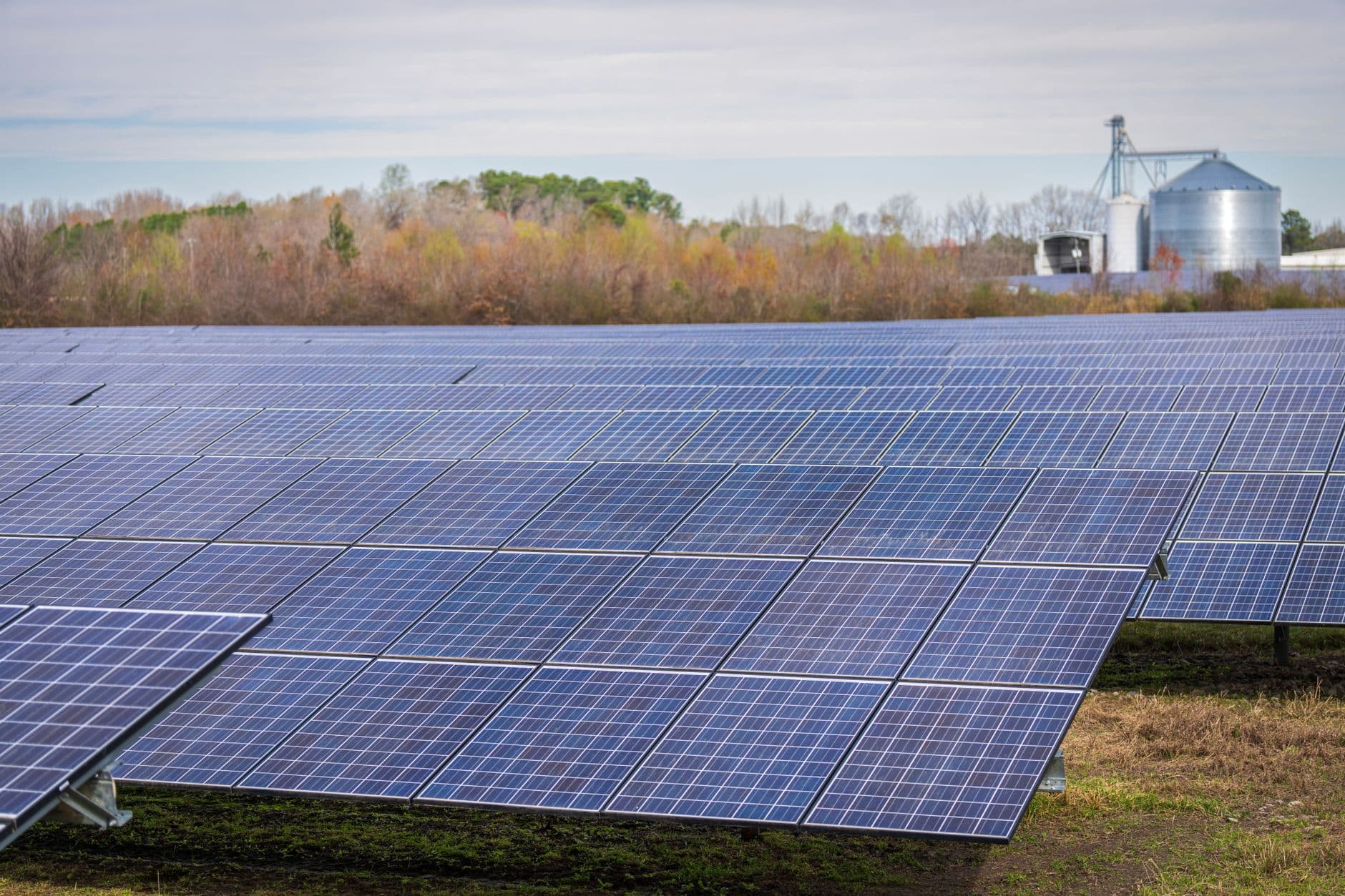
An E2 and BW Research analysis released July 9 estimated that 216 large-scale clean-energy manufacturing and power projects canceled, closed or scaled back since January 2025 had already cost nearly 470,000 jobs and $68.2 billion in private capital investment.
This article was produced by Prism’s automated news system from verified source data, official records, and press releases, then run through automated quality and moderation checks before publishing. The system is built and supervised by the people who set the standards it runs under. Read our full AI policy.
Did this article answer your question?