Trump predicts Iran deal in days as ceasefire holds, talks continue
Trump said a deal with Iran could come in two or three days, but uranium stockpiles and inspections remain unresolved.
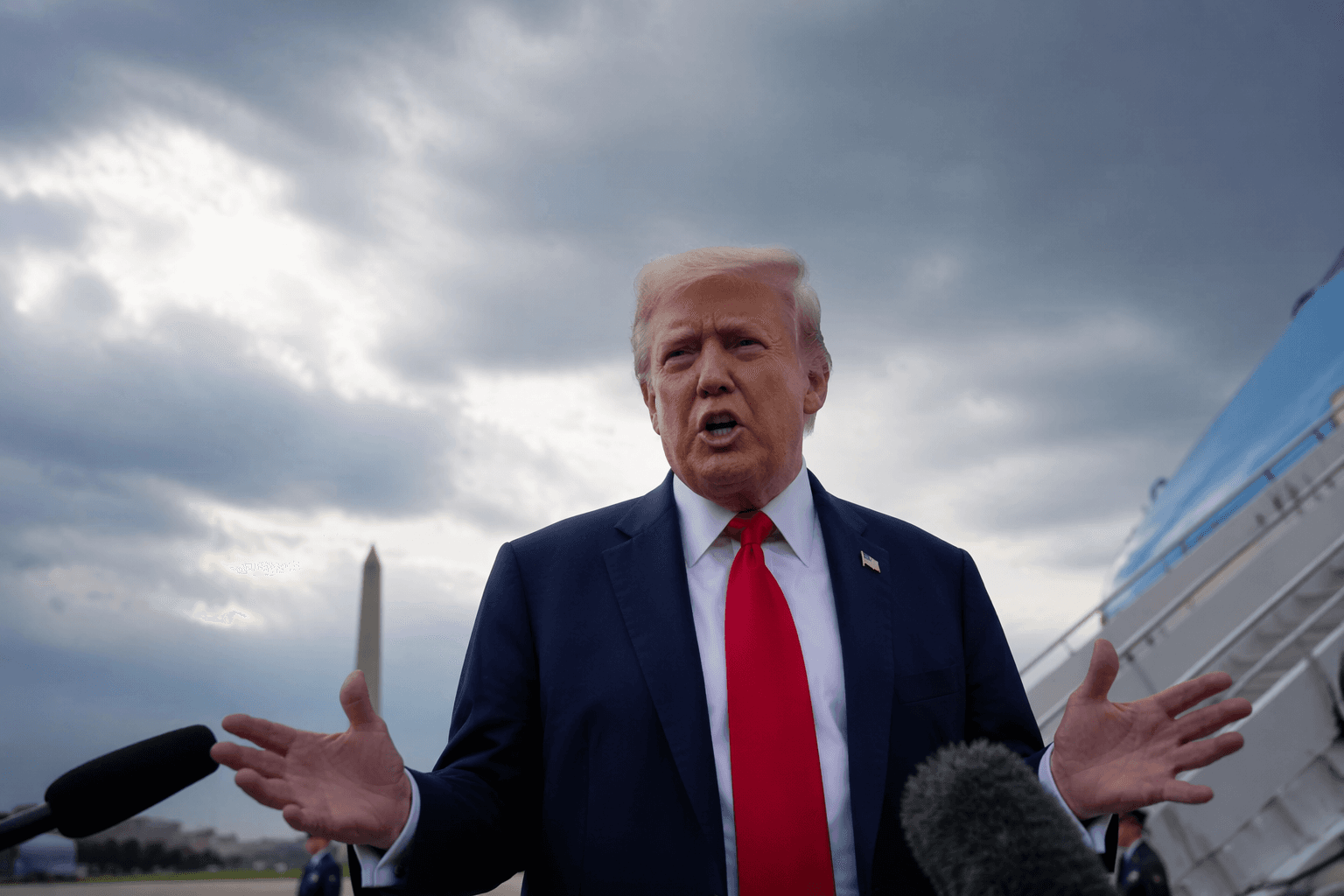
Donald Trump said a deal with Iran could be reached in “two or three days,” projecting confidence at a moment when the real diplomatic test remains far more complicated. A fragile ceasefire between Israel and Iran is still holding, but the substance of any agreement would have to go beyond timing and rhetoric: it would need clear terms on Iran’s enriched uranium, access for international inspectors, and some assurance that the Strait of Hormuz can stay open.
Trump said the Strait of Hormuz would reopen “immediately” if an agreement is finalized, a claim with direct consequences for global energy markets. The waterway is a critical chokepoint for oil and fuel shipments, so any deal that affects its status would be watched not just in Washington and Tehran, but across trading desks and energy capitals worldwide.
The gap between the White House tone and Iran’s position remains wide. Iran has been reviewing a proposed agreement with the U.S. but had gone without contact with Washington for several days, and its foreign minister said there had been no recent progress in the talks even as communication channels stayed open. That caution matters because the biggest unresolved issues are the hardest ones: what happens to Iran’s stockpile of enriched uranium, and whether Tehran will allow full access for inspections.
Those questions were sharpened by the International Atomic Energy Agency, which sent member states a report finding no major changes in Iran’s nuclear program despite months of conflict. The agency has also repeated its calls for Tehran to explain the fate of enriched uranium stockpiles, a reminder that verification, not just agreement, will decide whether any breakthrough is real.
The timing is politically charged. The U.S.-Israeli air campaign against Iran began at the end of February 2026, and the current ceasefire, while still intact, has been described as fragile. Israeli Prime Minister Benjamin Netanyahu added to the uncertainty on June 8, saying the war against Iran and Hezbollah “has not yet ended.” For now, the market and diplomatic benchmark is simple: if talks produce verifiable limits on Iran’s nuclear program, resumed inspections, and a durable reduction in regional risk, it would be a breakthrough. If not, Trump’s deadline will look more like pressure than progress.
This article was produced by Prism’s automated news system from verified source data, official records, and press releases, then run through automated quality and moderation checks before publishing. The system is built and supervised by the people who set the standards it runs under. Read our full AI policy.
Know something we missed? Have a correction or additional information?
Submit a Tip