Trump presses Iran on nuclear talks while threatening military action
Trump is urging Iran back to the table while warning of strikes, a split message that deepens uncertainty in Washington, Tehran and allied capitals.

Donald Trump is pressing Iran to negotiate over its nuclear program while warning that military action remains possible if Tehran refuses, a dual message that has revived doubts about whether Washington is pursuing diplomacy, coercion or escalation. In March 2025, Trump sent a letter to Ayatollah Ali Khamenei urging talks and threatening force at the same time, a mix that sharpened the contrast between the White House’s public outreach and its hard line on pressure.
Khamenei rejected what he cast as bullying, but Iran later said it responded through Oman and agreed to indirect talks. The first round of those talks took place in Muscat on April 12, 2025, with follow-up rounds in Rome on April 19 and again in Muscat on April 26. Steve Witkoff led the U.S. delegation, while Abbas Araghchi headed Iran’s team. Iran’s foreign ministry described the first round as constructive, but the talks unfolded under the weight of Washington’s renewed maximum-pressure campaign and the long memory of the 2018 rupture.
That rupture still defines the policy landscape. Trump withdrew the United States from the Joint Comprehensive Plan of Action in 2018 and reimposed sanctions, betting that pressure would force a better deal. Instead, Iran steadily expanded its nuclear activities after the U.S. exit, giving Trump’s second-term diplomacy a more dangerous starting point than the one he inherited. Washington’s stated goal remains stopping Iran from obtaining a nuclear weapon, while Tehran is still seeking sanctions relief and recognition of its right to peaceful nuclear activity.
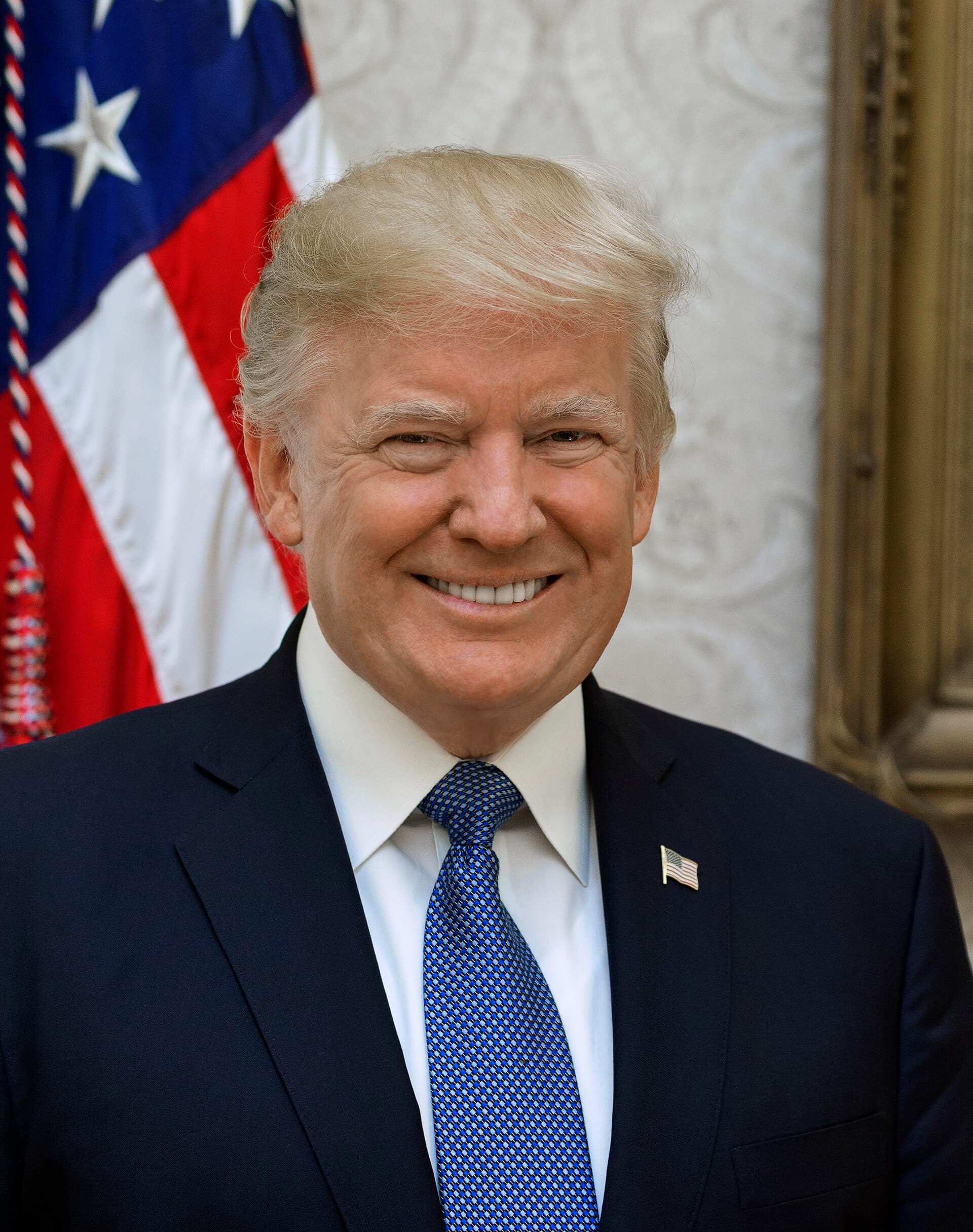
The problem is not simply that Trump has changed his tone. It is that his signals point in different directions at once. A threat of military action can harden Tehran’s position just as an opening for talks can encourage it to keep negotiating. That leaves allies, regional governments and markets trying to infer whether the administration is building leverage for a deal or creating conditions for confrontation. In the Gulf, where every shift in U.S.-Iran signaling can affect shipping, energy prices and military posture, ambiguity itself becomes a strategic risk.
The 2025 talks offered a narrow channel back from escalation, but they did not resolve the larger contradiction at the center of Trump’s Iran policy. Pressure and outreach were again moving in tandem, and that combination makes miscalculation more likely at the very moment both sides say they want to avoid a nuclear crisis.
This article was produced by Prism’s automated news system from verified source data, official records, and press releases, then run through automated quality and moderation checks before publishing. The system is built and supervised by the people who set the standards it runs under. Read our full AI policy.
Did this article answer your question?

