Trump presses Iran over Hormuz as talks stall and strikes loom
Trump is dangling strikes and talks at once as Iran presses a Hormuz deal, but the strait and the nuclear stockpile expose the limits of pressure.
Trump is trying to force a breakthrough with threats, sanctions and the possibility of fresh strikes, but Iran’s latest gamble over the Strait of Hormuz showed how little leverage Washington may actually have left. Trump said there had been “great progress” toward an agreement, while also warning that military action remained possible if Tehran “misbehaves.”
The immediate fight has centered on control of the strait, where the United States and Iran have traded attacks and where Trump briefly floated a plan to help escort commercial ships before pausing it as negotiations continued. Iran has reportedly sent a proposal through Pakistan that would reopen shipping in the Strait of Hormuz and end the U.S. blockade first, with nuclear talks and sanctions relief postponed. Trump rejected that sequencing, calling it “not acceptable” and saying he was “not satisfied.”
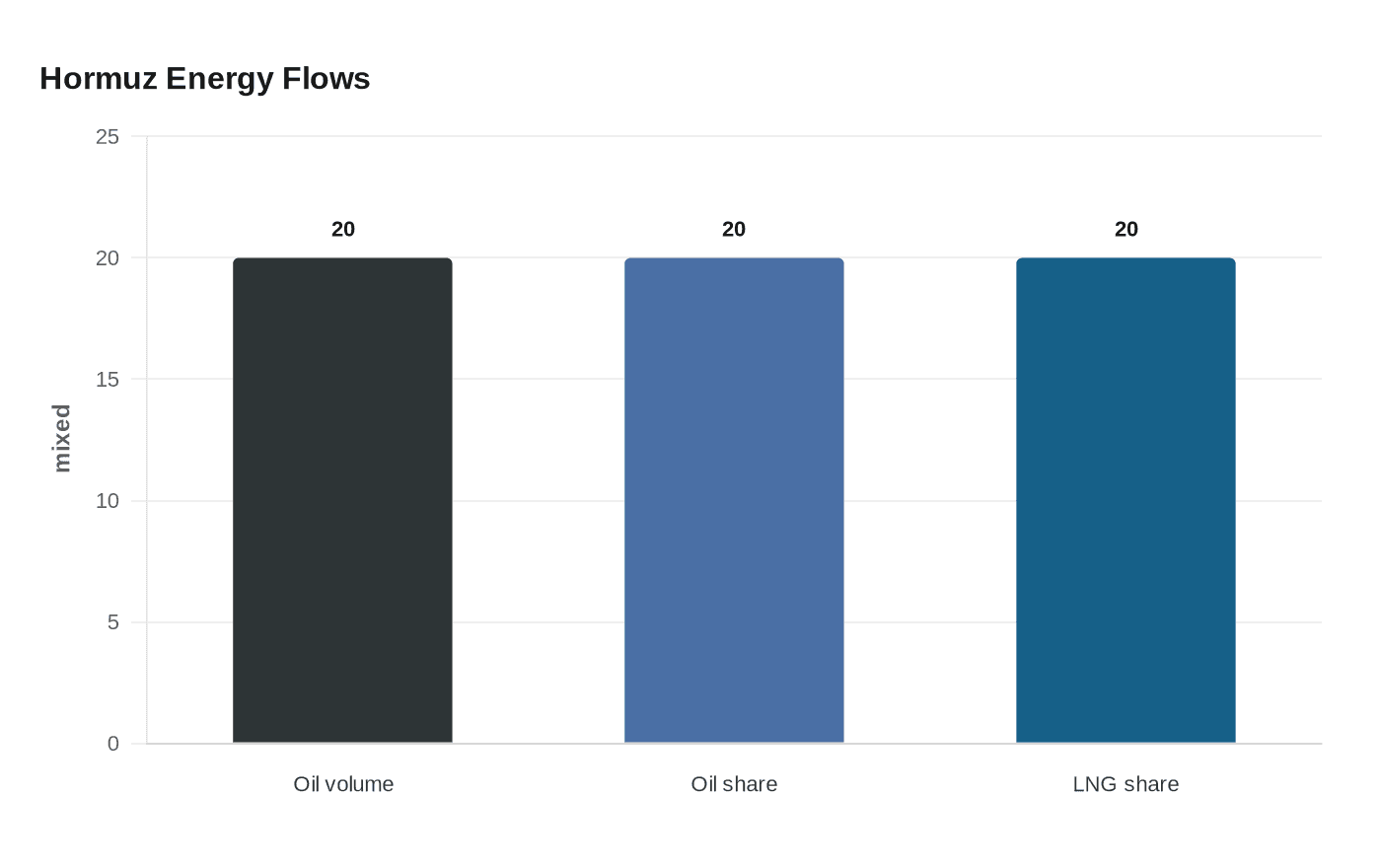
The stakes are global. In 2024, the Strait of Hormuz carried about 20 million barrels of oil a day, or roughly 20% of global petroleum liquids consumption. About one-fifth of global liquefied natural gas trade also moved through the waterway, mostly from Qatar. Any prolonged closure would rattle oil and gas markets far beyond the Gulf, threatening supply lines that feed factories, transit systems and household energy bills around the world.
The confrontation has also become a test of Trump’s revived pressure campaign. In February 2025, he restored a “maximum pressure” strategy aimed at cutting Iran’s oil exports to zero. Since then, the U.S. Treasury Department has expanded sanctions against Iran-linked individuals, vessels and aircraft, in a campaign that Reuters reported has targeted roughly 1,000 such entities since February 2025. The White House said the February 4, 2025 directive was meant to deny Iran all paths to a nuclear weapon.
But the nuclear file has not yielded to pressure alone. The International Atomic Energy Agency has said it cannot verify the whereabouts of about 440.9 kilograms of uranium enriched to 60% U-235, a stockpile that recent reporting says could be enough, if further enriched, for about 10 nuclear weapons. The agency also reported that the June 13 attacks destroyed the above-ground part of Natanz’s Pilot Fuel Enrichment Plant, yet analysts and U.S. intelligence assessments cited in recent reporting say the timeline may not have changed much unless the stockpile itself is removed or destroyed.
Trump told Congress on May 1, 2026, that hostilities with Iran had “terminated,” even as the 60-day War Powers deadline pressed lawmakers to decide whether he needed authorization to keep operating. Pakistan’s role in carrying messages between Washington and Tehran underscored how much of this crisis has shifted to intermediaries, and how far the president still is from a clean, verifiable endgame.
This article was produced by Prism’s automated news system from verified source data, official records, and press releases, then run through automated quality and moderation checks before publishing. The system is built and supervised by the people who set the standards it runs under. Read our full AI policy.
Did this article answer your question?