Trump pressures election rules and grocery prices ahead of midterms
Trump is moving on election administration and grocery prices at the same time, testing the political ground before the 2026 midterms. The fight is landing in two places voters notice most: ballot rules and the checkout line.
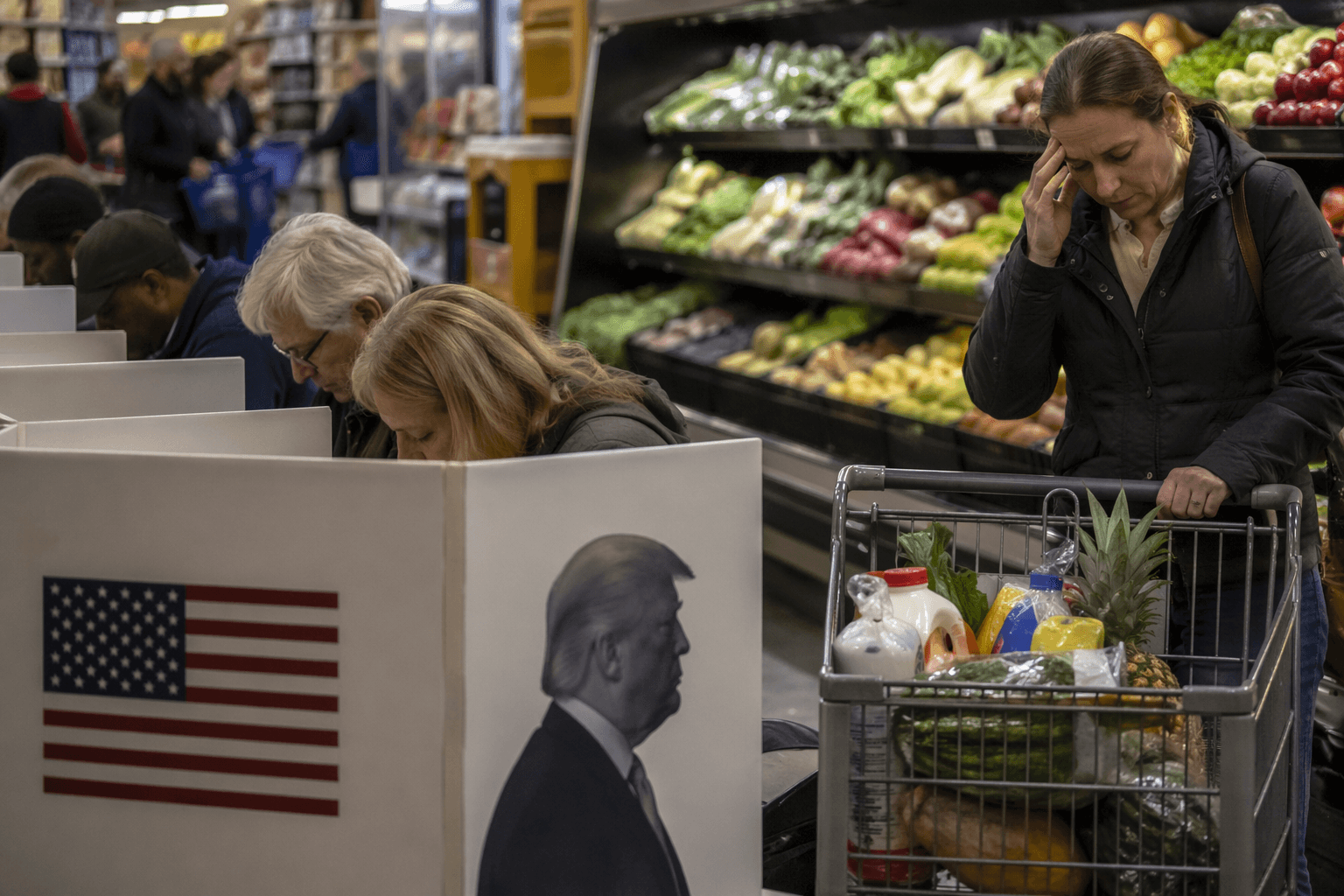
President Donald Trump has stepped up two parallel pressures in Washington: one aimed at how the 2026 midterms will be run, and another aimed at what shoppers will pay for groceries. On July 9, 2026, Trump terminated the last three members of the Election Assistance Commission, the independent federal panel that helps election officials nationwide, after a federal judge had already blocked his June executive order tightening mail-in voting rules.
The moves keep the White House at the center of election administration just months before voters go to the polls. Trump’s order sought to reshape mail voting and create a federal voter list, but the court ruling stalled implementation without resolving the larger political fight over who sets the rules for casting ballots. The dismissal of the Election Assistance Commission members added another layer of uncertainty to an agency that serves as a national backstop for local election offices.
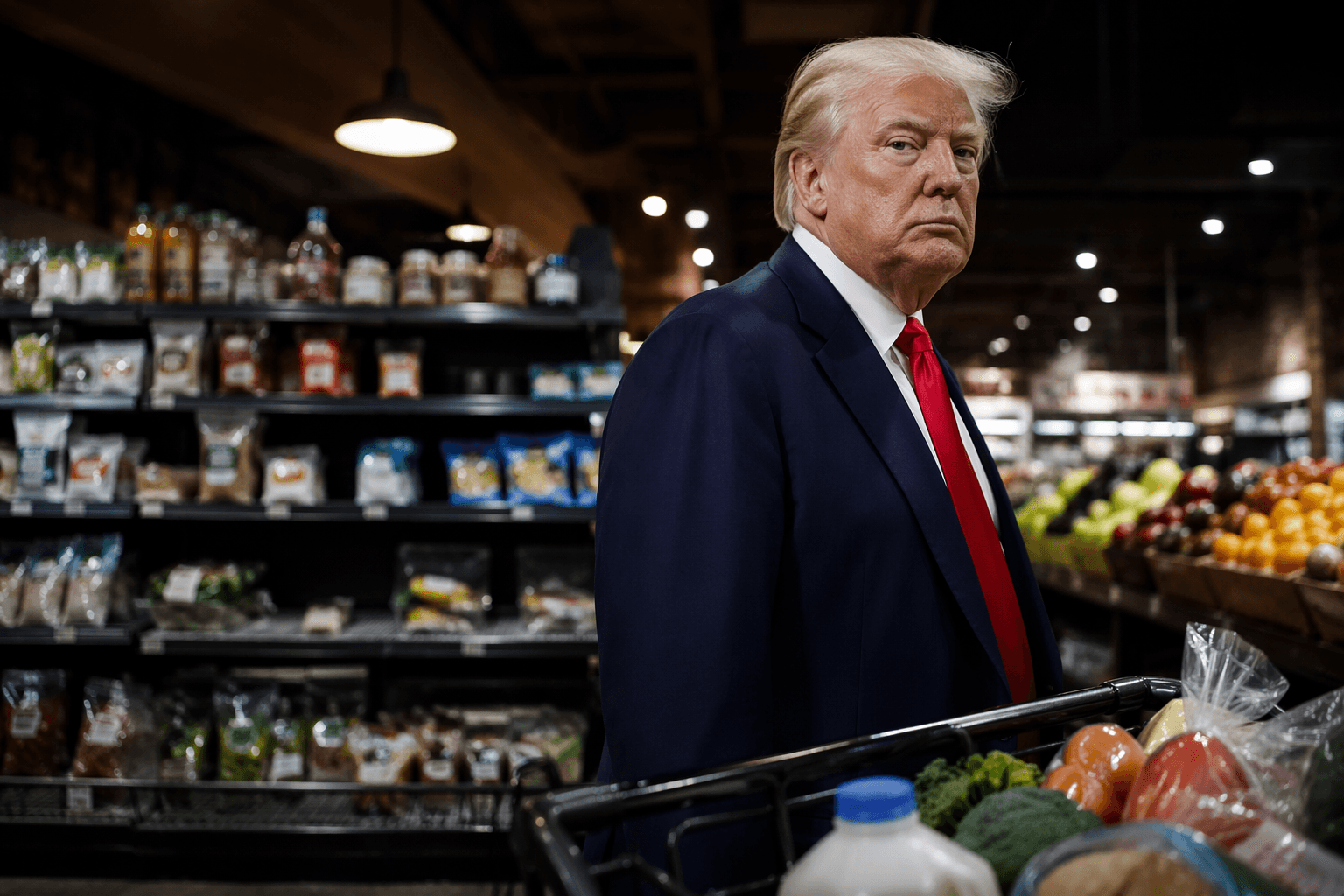
At the same time, Trump has tried to turn grocery prices into a political win. In early July, Walmart announced summer price cuts on beef and other groceries, and Trump publicly took credit for the reductions. Walmart said the cuts were part of seasonal pricing and value competition, not the result of pressure from the White House.
The administration has also been pressing the grocery industry more directly. Reports said the Agriculture Department contacted retailers including Walmart, Kroger and Albertsons ahead of the July Fourth holiday to encourage discounts on beef, a staple item that has carried outsized political weight as households watch meat prices closely.
The timing matters because shoppers are already changing how they buy food. The New York Times reported on July 9 that consumers are making fewer trips to traditional supermarkets and shifting toward discount chains such as Aldi. A shopper study by AlixPartners said Aldi is expanding quickly in the United States, a sign that bargain-focused grocers are gaining ground as households trade down.
Food inflation is still feeding that pressure. The USDA Economic Research Service said the all-food Consumer Price Index rose 0.2 percent from April to May 2026 and was 4.2 percent higher than in May 2025. Over the past 18 months, grocery chains have also been squeezed by higher food bills, cuts to food-stamp programs and the growing use of weight-loss medications, all of which are altering what people buy and how often they shop.
Together, the election moves and the food fight show the same political calculation: Washington can change the rules, but voters will measure the result in both the ballot box and the grocery aisle.
This article was produced by Prism’s automated news system from verified source data, official records, and press releases, then run through automated quality and moderation checks before publishing. The system is built and supervised by the people who set the standards it runs under. Read our full AI policy.
Did this article answer your question?