Trump pressures Iran as ceasefire nears end, talks stall in Pakistan
Trump warned that “fighting resumes” if no deal is reached before the April 22 ceasefire deadline. Talks in Islamabad stalled after 21 hours, with oil markets and Gulf security on edge.
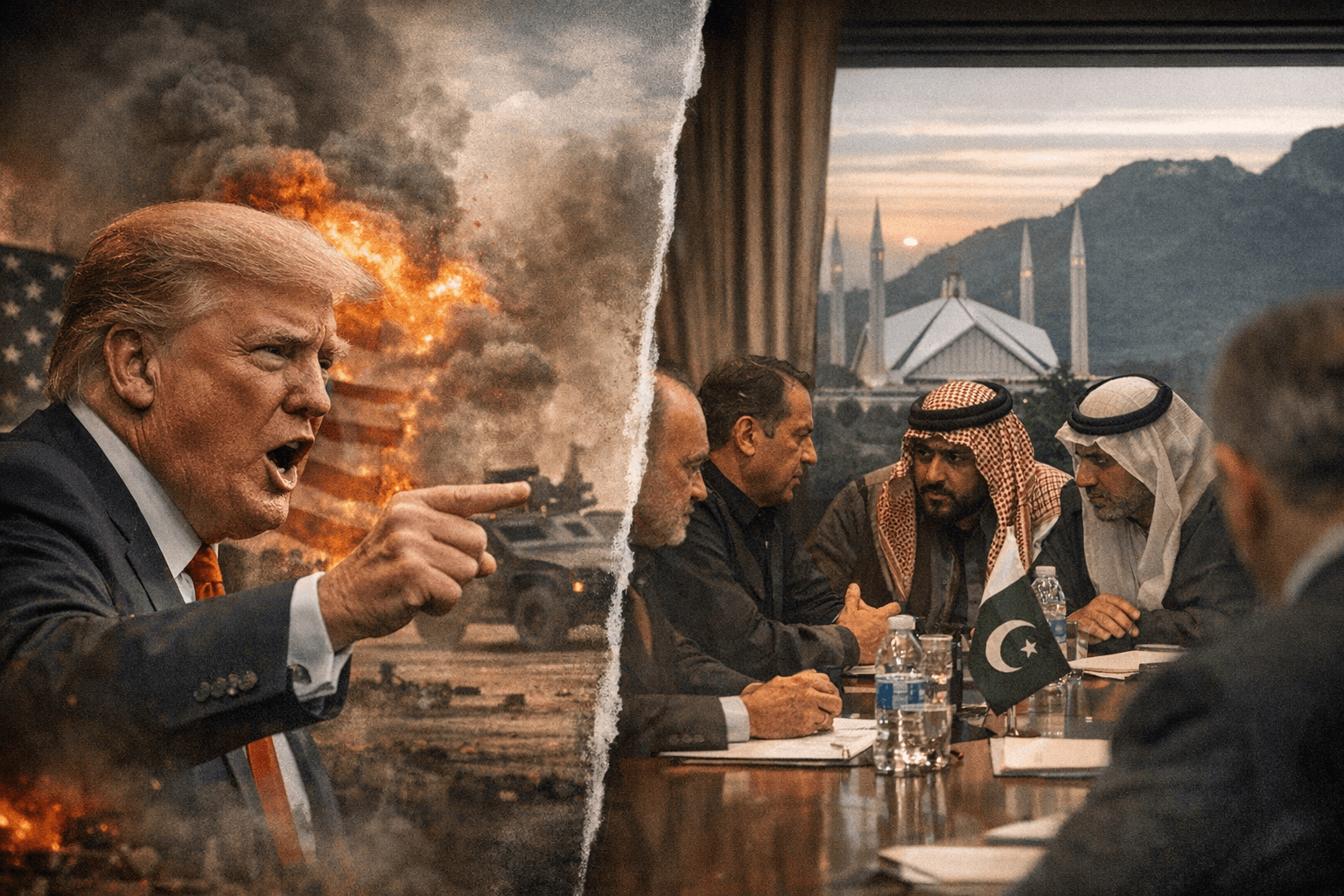
President Donald Trump pressed Iran on Friday as a fragile ceasefire neared its April 22 expiration, warning that if no deal emerges, “fighting resumes.” The threat sharpened the question at the heart of his coercive diplomacy: whether the truce is a genuine opening for negotiations or just a short fuse before the war starts again.
The ceasefire was announced on April 8 as a two-week truce after nearly 40 days of hostilities. Since then, the first round of high-level U.S.-Iran talks in Islamabad has ended without agreement after 21 hours, with Pakistan mediating the process and U.S. and Pakistani officials exploring a second round. Trump also said he was open to a possible trip to Pakistan if a deal is signed there, underscoring how much he has tied the diplomacy to a public show of pressure and success.
The central dispute is narrow but explosive: reopening the Strait of Hormuz and the future of Iran’s nuclear program. That waterway typically carries about 20% of the world’s oil, and traffic through it has reportedly slowed to a trickle as the U.S. has increased military pressure in the region, including reports of additional troop deployments and a blockade affecting shipping. If the talks collapse, the immediate shock would be felt far beyond Tehran and Washington, in energy prices, shipping costs, and the calculations of U.S. allies that rely on Gulf oil flows and regional stability.
Trump has framed the talks as a deadline-driven test of strength, warning of tougher action if Iran does not comply. That leaves Tehran facing a stark choice: accept constraints that could open the strait and put its nuclear program under new limits, or gamble that the ceasefire expires without a broader deal and risk renewed strikes. Washington, in turn, would have to decide how much military pressure it is willing to sustain if diplomacy fails.
The wider human cost is already clear. United Nations officials said nearly 40 days of intense hostilities have brought heavy civilian casualties and widespread damage to critical infrastructure across the Middle East, including Lebanon. That damage is why the next few days matter so much: if the ceasefire holds only long enough to stall, the region could move from fragile pause to renewed confrontation almost overnight.
This article was produced by Prism’s automated news system from verified source data, official records, and press releases, then run through automated quality and moderation checks before publishing. The system is built and supervised by the people who set the standards it runs under. Read our full AI policy.
Did this article answer your question?


