Trump proposal would let White House block grants over agenda, values
Trump’s new grant rule could let senior appointees block funding for universities, hospitals, cities and nonprofits if awards clash with the White House’s agenda.

The White House is moving to put political appointees inside the grantmaking process, a shift that could let Washington choke off billions in federal aid to universities, hospitals, local governments and nonprofits over questions of agenda and values.
A proposed rule published May 29, 2026, would rewrite government-wide guidance for federal financial assistance and require agencies to name one or more senior appointees to review discretionary awards. It says agencies must conduct pre-issuance reviews to make sure grant proposals fit applicable law, agency priorities and the national interest, a standard the administration says would help it block grants that do not align with President Donald Trump’s executive orders and policies.
The proposal reaches far beyond a single program. The government distributes more than $1 trillion a year in grants and other federal financial assistance, and the Office of Management and Budget said in a January 27, 2025 memo that more than $3 trillion in fiscal 2024 federal spending was federal financial assistance. The new rule is open for public comment for 45 days.

Critics say the change would replace merit review with political screening. Inside Higher Ed reported that the plan could let agencies suspend or terminate awards if grantees are out of alignment, and that it goes beyond carrying out the August 7, 2025 executive order by insulating political review from legal challenge. The Union of Concerned Scientists said the proposal would put political appointees in position to decide funding.
The National Council of Nonprofits said the August 7 executive order directs agencies to require senior political-appointee review of grants and to revise terms and conditions so awards can be terminated immediately for convenience if they no longer advance administration priorities or the national interest. The group warned that nonprofits could be forced to choose between federal dollars and their values.
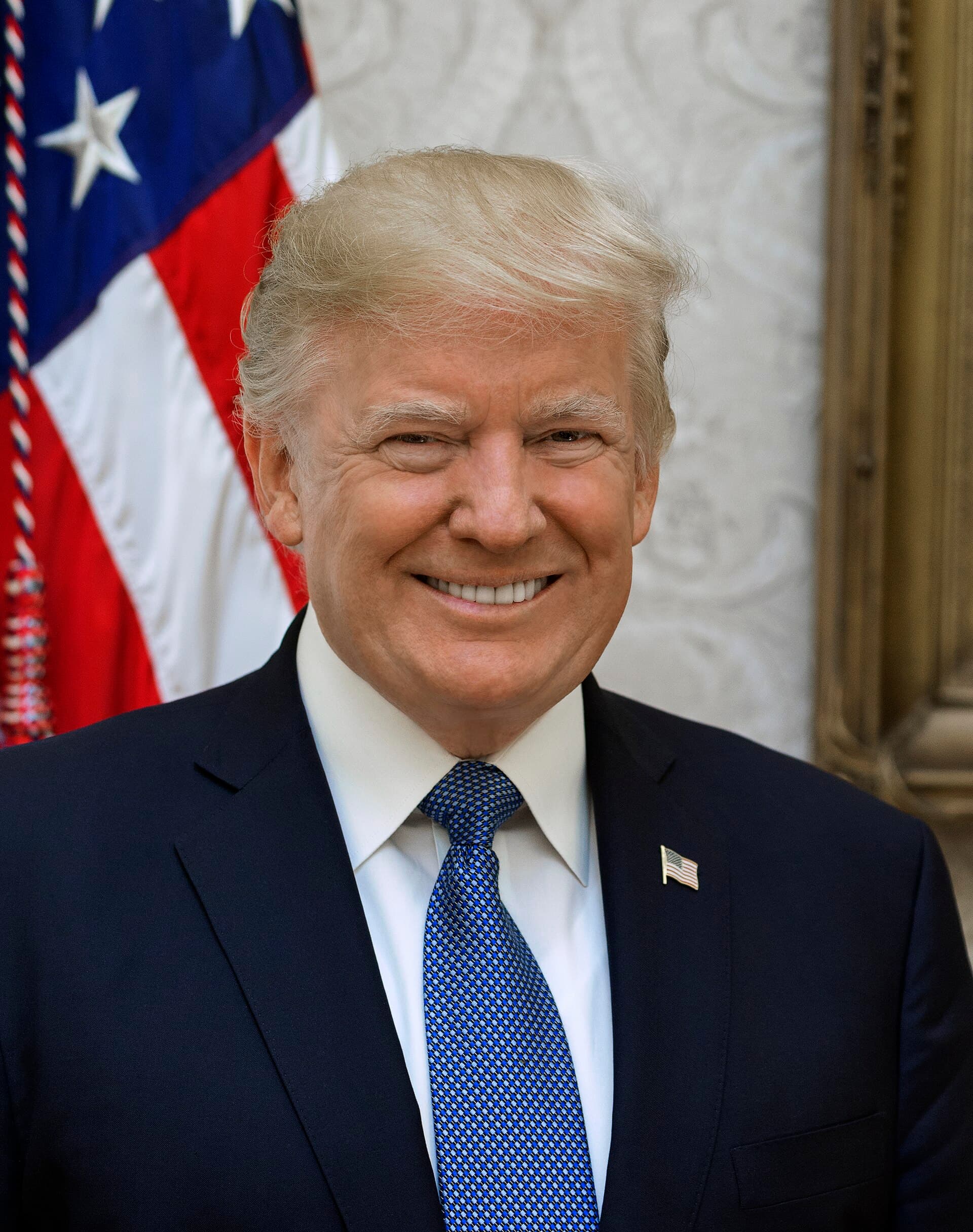
The proposal also spells out what kinds of projects could be shut out. It reportedly bars grants that promote disparate-impact liability theories, discriminatory event services, DEI, gender ideology and child sex mutilation, while also forbidding agencies from excluding faith-based organizations and applicants. The White House has already proposed a sharp retrenchment elsewhere, saying on May 2, 2025, that fiscal 2026 non-defense discretionary spending would be cut by $163 billion, or 23 percent, from the 2025 enacted level, with DEI and related programs among the targets.
The fight over grants is already in court. On May 29, 2026, a federal judge blocked a separate Trump administration effort to create an anti-weaponization reimbursement fund, underscoring how aggressively the administration is trying to use spending power to enforce its priorities.
This article was produced by Prism’s automated news system from verified source data, official records, and press releases, then run through automated quality and moderation checks before publishing. The system is built and supervised by the people who set the standards it runs under. Read our full AI policy.
Did this article answer your question?

