Trump pushes Senate to pass SAVE Act with 50 GOP backers
Trump demands a Senate vote on the SAVE America Act, citing roughly 50 Republican supporters and threatening an executive order if Congress does not act.
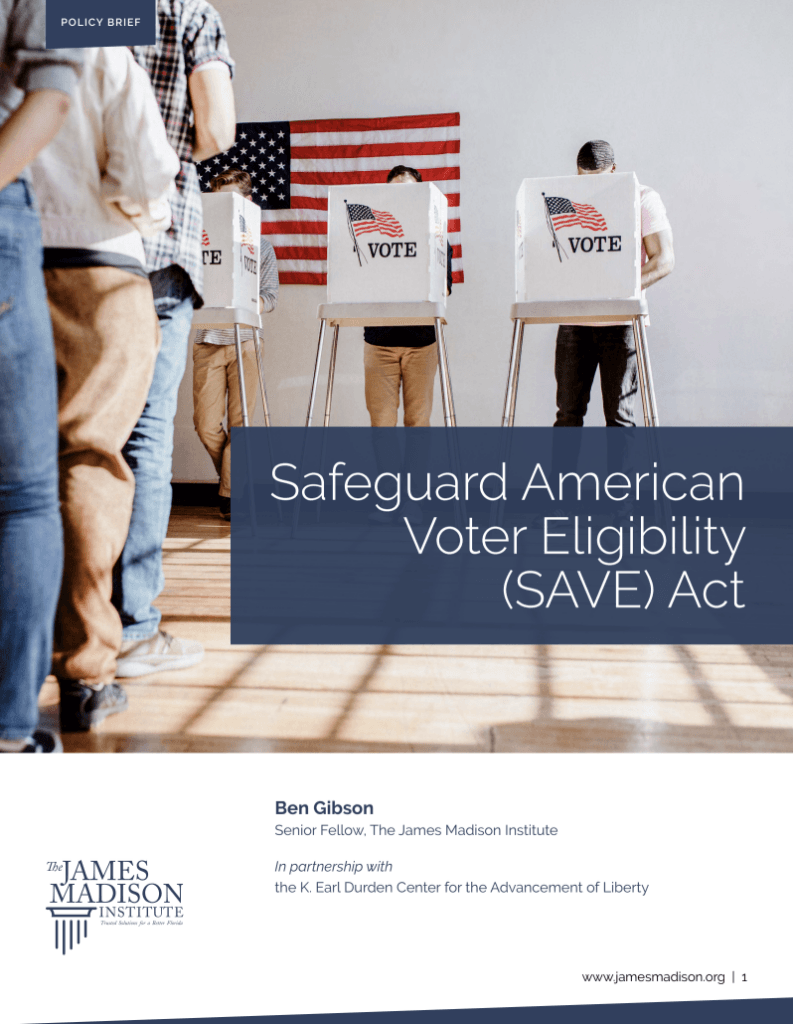
President Donald Trump pressed Senate leaders to hold a floor vote on the SAVE America Act, saying roughly 50 Republican senators back the measure and warning he will issue an executive order if Congress fails to act. The bill, formally titled the Safeguard American Voter Eligibility Act, passed the House on Feb. 11 by a 218–213 vote, with every Republican and one Democrat, Rep. Henry Cuellar of Texas, in favor.
Republican leaders have signaled the bill will reach the Senate floor when lawmakers return to Washington. “The SAVE America Act will come to the Senate floor when lawmakers return to Washington,” Senate Majority Leader John Thune confirmed, while also cautioning that attempting a “talking filibuster” would “eat up considerable floor time” and “entail a tremendous amount of effort, work and cooperation” with no guarantee of success. Republicans control 53 Senate seats, and news outlets and advocacy tracking show at least 50 GOP senators have publicly supported the proposal, with Sen. Susan Collins of Maine identified as the 50th co-sponsor.
The legislation would impose a national proof-of-citizenship requirement for voter registration and expand voter ID rules, the bill’s text and summaries show. States would be required to submit voter rolls to the Department of Homeland Security’s SAVE database for citizenship verification and to remove noncitizens from registration lists. The bill would also require documentary proof of citizenship in person for new registrations or updates and would obligate those voting by mail to enclose a copy of a photo ID. Election officials who fail to comply could face criminal penalties and litigation.
Supporters frame the bill as election security. Sen. Mike Lee wrote on X, “This is high-stakes legislation. Pass it and we save the republic. Don’t pass it and we roll the dice.” Backers say uniform national standards would close avenues for fraud and restore public confidence in voting.
Opponents say the measure would nationalize state-run elections and erect barriers that disenfranchise eligible voters. California Attorney General Rob Bonta, joined by a coalition of 12 state attorneys general, urged the Senate to reject the bill, calling it “a full-fledged attack on the right to vote. I urge the U.S. Senate to do the right thing and oppose it.” The California filing highlights practical effects it says would follow from the document rules: more than 140 million Americans do not hold a valid U.S. passport, and an estimated 69 million women who have adopted a spouse’s surname lack birth certificates reflecting their current legal name. The state press release also notes that driver’s licenses, including REAL IDs, and military or tribal IDs alone would not satisfy the bill’s proof-of-citizenship requirement as described in opponents’ summaries.
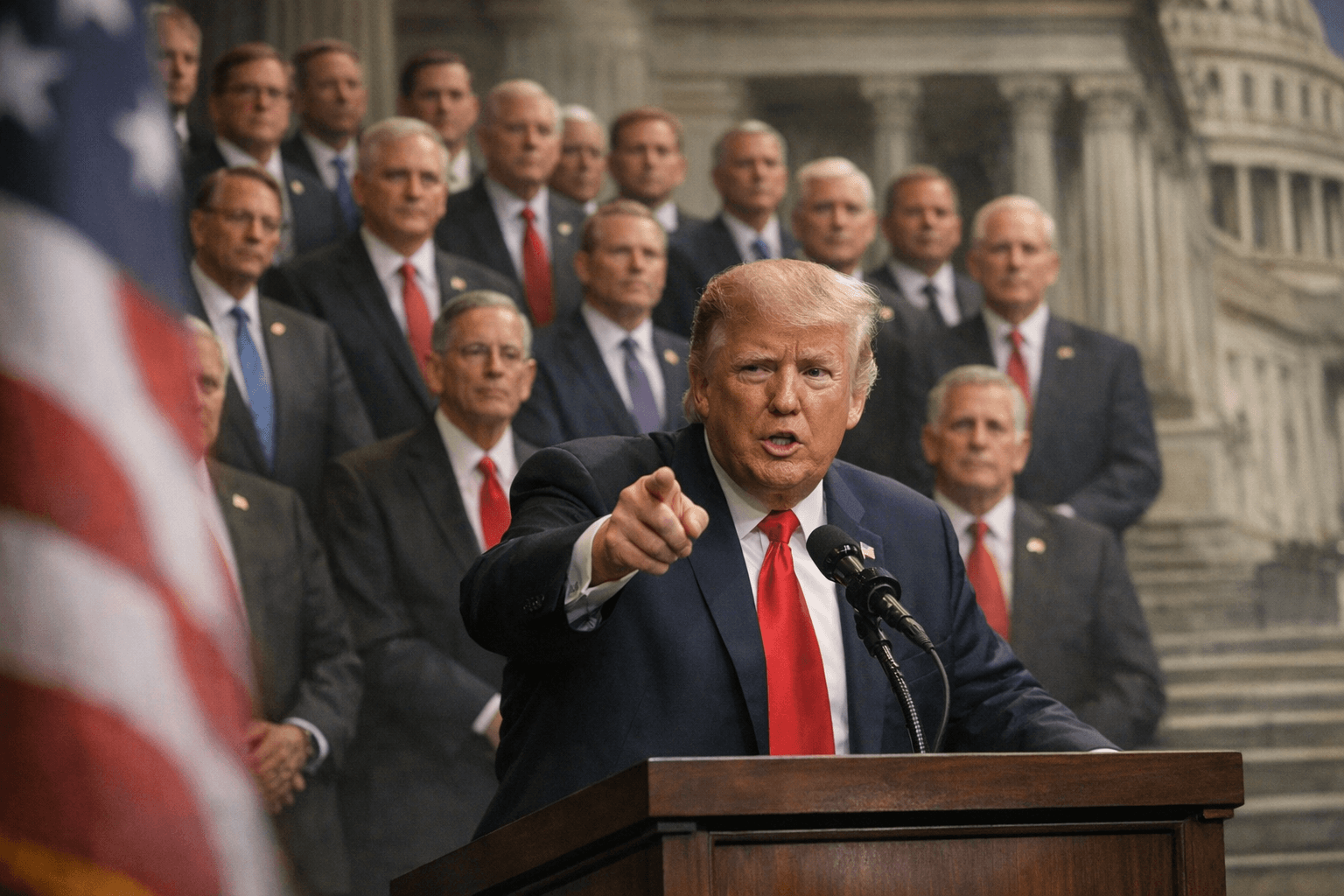
Advocacy outlets and legal analysts have labeled the measure “a massive voter suppression bill,” and critics warned that Collins’ decision to back the bill handed the 50th Republican vote to the push to curtail existing registration practices. DemocracyDocket noted the arithmetic risk: with a 50–50 Senate majority possible on final passage, the vice president could be positioned to cast a tie-breaking vote.
Beyond immediate political stakes, passage or the threat of executive action carries broader consequences. A new, national verification regime would shift administrative burdens to voters and election officials, prompting legal challenges and state-level operational costs ahead of midterm campaigns. The legislation’s path now depends on whether GOP leaders can marshal 60 votes to overcome the Senate filibuster or persuade a small number of Democrats to cross party lines.
Thune’s vow to schedule the bill and Trump’s public threats of an executive order set up a high-stakes confrontation over voting rules in the weeks ahead as the Senate weighs whether to put a national voter ID regime into law.
This article was produced by Prism’s automated news system from verified source data, official records, and press releases, then run through automated quality and moderation checks before publishing. The system is built and supervised by the people who set the standards it runs under. Read our full AI policy.
Did this article answer your question?