Trump raises proposed worldwide tariff to 15 percent after court setback
President Trump said he will raise a newly announced 10% global import tariff to 15%, the legal maximum under Section 122, creating new uncertainty for prices and trade.
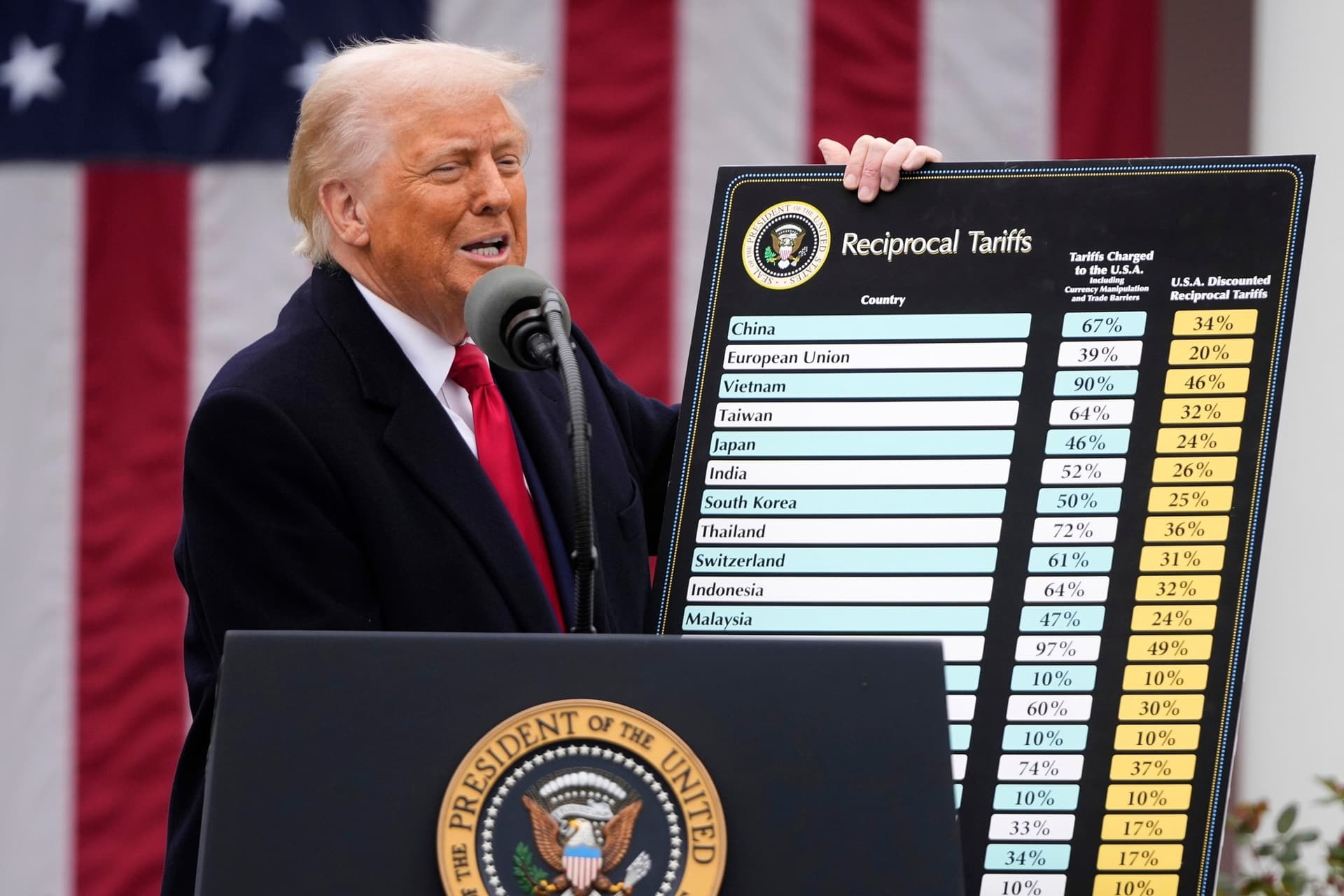
President Donald Trump said Saturday he will raise a newly announced global tariff from 10 percent to 15 percent after the U.S. Supreme Court curtailed his earlier emergency tariff authority. The 10 percent order signed Friday night was scheduled to take effect Feb. 24, and the president said he would "determine and issue the new and legally permissible Tariffs" to replace it.
The Supreme Court ruled Friday that the administration could not use the International Emergency Economic Powers Act, or IEEPA, to impose broad, sweeping import levies. The court was reported to be divided 6-3 on the decision. The ruling invalidated the bulk of earlier tariffs the administration had imposed under IEEPA, although several sector-specific duties issued under other authorities remain in place.
The administration has pivoted to Section 122 of the Trade Act of 1974 as the statutory basis for the new global levy. Section 122 permits duties of up to 15 percent for up to 150 days to address "large and serious" balance-of-payments problems, but it imposes a statutory time limit and different procedural constraints than emergency powers. The 15 percent level the president announced is the ceiling allowed under that provision; any Section 122 tariffs would expire after 150 days unless Congress acts to extend them.
Trump framed the shift as a response to the court's decision, posting on social media that he made the move "Based on a thorough, detailed, and complete review of the ridiculous, poorly written, and extraordinarily anti-American decision on Tariffs issued yesterday," and that his administration would "determine and issue the new and legally permissible Tariffs, which will continue our extraordinary successful process of Making America Great Again." In a separate post he wrote that he would be "raising the 10% Worldwide Tariff on Countries, many of which have been 'ripping' the U.S. off for decades, without retribution (until I came along!), to the fully allowed, and legally tested, 15% level."
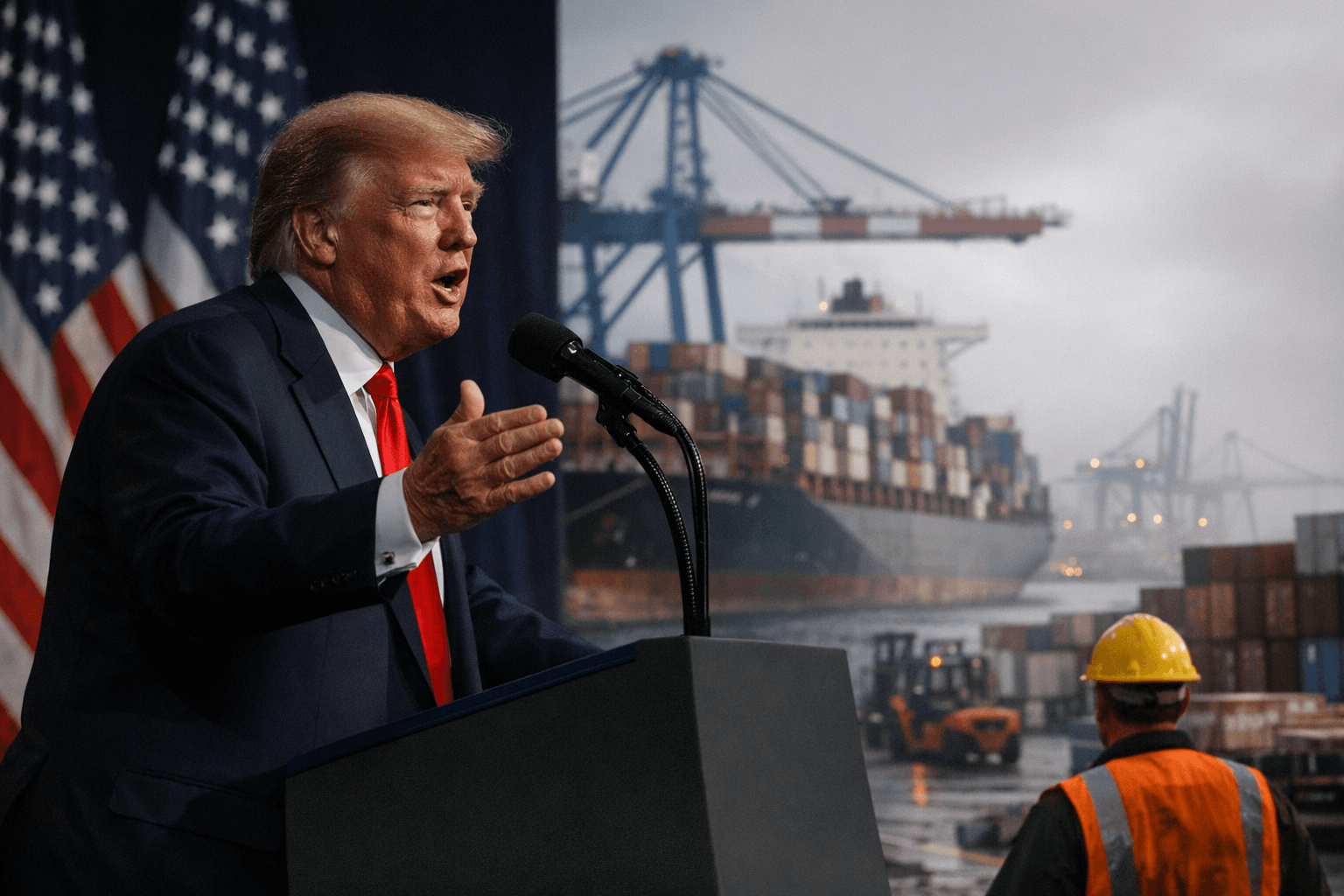
Legal and administrative questions remain. Officials did not immediately make clear when an updated order setting the rate at 15 percent would be signed or what products would be covered. The White House has also signaled parallel efforts to pursue tariffs under other statutes that require Commerce Department investigations, a lengthier process that could yield sector-specific duties with different legal footing.
Economically, a broad 15 percent import duty would act like a de facto increase in taxation on imported goods, with direct implications for consumers, manufacturers and global supply chains. Such levies typically raise import costs, and the burden is often passed on in part through higher consumer prices or squeezed profit margins for firms that rely on imported inputs. The administration's shifting announcements over the last year have already jolted markets and rattled trading partners, introducing volatility into supply chains and procurement plans.
Politically the move extends a trend of aggressive trade intervention by the White House while testing the boundaries of executive authority on trade. The Section 122 path gives the president a temporary tool but leaves Congress and the courts as potential arbiters of durability. Key near-term items to watch include whether an updated 15 percent order is formally filed and posted, how narrowly or broadly tariffs are defined by tariff codes, whether Congress seeks to extend the 150-day limit, and how major trading partners respond.
This article was produced by Prism’s automated news system from verified source data, official records, and press releases, then run through automated quality and moderation checks before publishing. The system is built and supervised by the people who set the standards it runs under. Read our full AI policy.
Did this article answer your question?