Trump reimposes 25% steel tariffs, boosts mills while hobbling factories
President Trump has revived 25% steel and 10% aluminum tariffs, coinciding with higher mill output and stock gains but research links the policy to tens of thousands of lost manufacturing jobs.
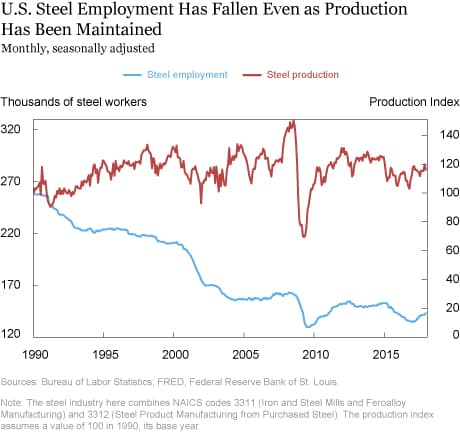
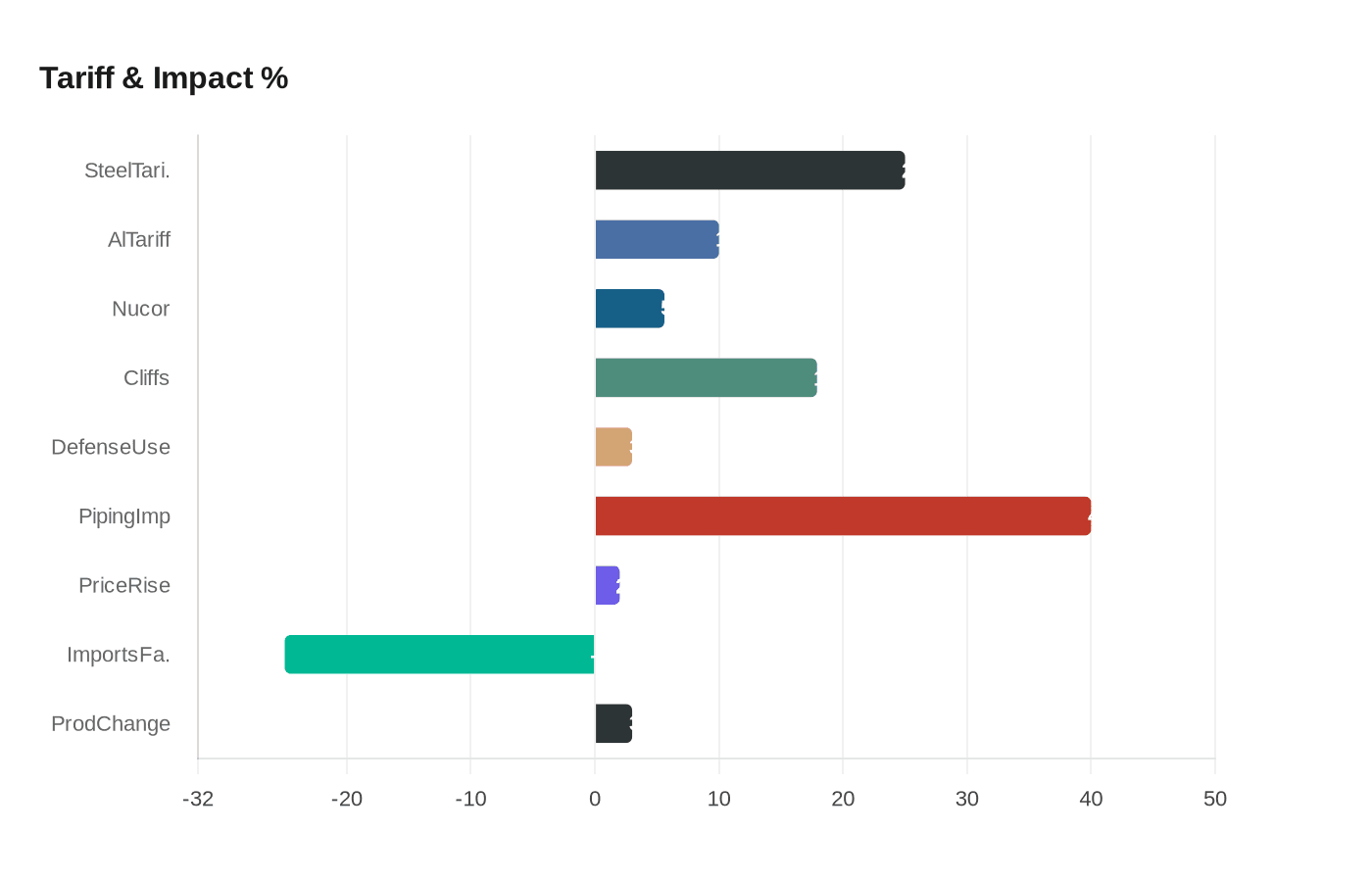
President Donald Trump has revived 25% tariffs on steel and 10% on aluminum, a move that has coincided with U.S. steel output rising to about 82 million tons in 2025 and sharp stock gains for domestic mills even as downstream manufacturers face higher costs and job losses. Nucor shares climbed 5.6% and Cleveland-Cliffs jumped 17.9% on trading days after the announcement, signaling clear financial winners.
The tariffs trace to a January 2018 Department of Commerce report used to justify Section 232 measures in March 2018. That report, analysts note, spent most of its 58 pages on the industry’s economic troubles and devoted only a few paragraphs to defense-related steel use, which accounted for roughly 3% of U.S. production. The move has been defended as protecting industry and national security; critics say it functions as protectionist industrial policy. As the Peterson Institute summarized, the national-security framing is “essentially industrial policy under a different name,” and the administration’s approach echoes President Trump’s earlier declaration that “Trade wars are good, and easy to win.”
The immediate manufacturing picture is mixed and sharply quantified by academic and policy work. Domestic steel production hovered near 80 million tons annually through 2024 and rose roughly 3% to 82 million tons in 2025, according to industry reporting. Peterson Institute researchers calculate that the 2018 25% tariff added about $270,000 to steel industry profits for every steel job saved, while imposing roughly $650,000 in costs on steel-using industries per steel job preserved.
Independent academic work amplifies downstream pain. A 2020 study by researchers at Harvard and the University of California, Davis found the tariffs created roughly 1,000 jobs in steel but reduced employment elsewhere by about 75,000. The Council on Foreign Relations cites similar estimates, noting research that attributes a direct loss of roughly 75,000 manufacturing jobs to the tariffs, with additional losses from retaliatory duties imposed by trade partners.
The scale of exposure is large. Steel-using sectors employed more than 12 million Americans in 2018, and nearly 2 million worked in steel-intensive industries where steel inputs account for at least 5% of total input costs, including auto parts, farm machinery, and household appliances. Many energy and infrastructure firms rely on specialized rolled products: the U.S. imports about 40% of piping and certain rolled materials, and a tariff on those goods would raise costs for oil producers and other steel-dependent sectors.
At the plant level the effects are visible. Mitchell Metal Products, cited in contemporary reporting, employed a peak of 102 workers when tariffs first hit and later trimmed payroll by leaving openings unfilled; it now employs about 75 people. For households and manufacturers, higher input prices have reduced competitiveness: when tariffs were first imposed in 2018, steel and aluminum prices rose roughly 2% while imports fell by about one-quarter.
Trade politics remain contentious. The 2018 measures provoked retaliation from Canada, Mexico and other partners, who targeted U.S. exports from bourbon to clothing. Gary Hufbauer of the Peterson Institute warned that “Trump’s first-term trade wars, including his tariffs on most Chinese imports, were costly to American industry,” echoing broader concerns that gains in mill production and profits may come at the expense of broader manufacturing employment and export markets.
Policy choices now weigh a narrow industrial boon against wider economic costs. Analysts note that past decades of steel protection have failed to produce a broadly competitive domestic supply chain, and economists warn that higher tariffs tend to transfer wealth to producers while imposing concentrated costs on consumers and steel-using businesses. As mill profits and job counts rise modestly, the broader manufacturing footprint shows measurable strain that may shape votes, investment decisions and trade relations in the years ahead.
This article was produced by Prism’s automated news system from verified source data, official records, and press releases, then run through automated quality and moderation checks before publishing. The system is built and supervised by the people who set the standards it runs under. Read our full AI policy.
Did this article answer your question?

