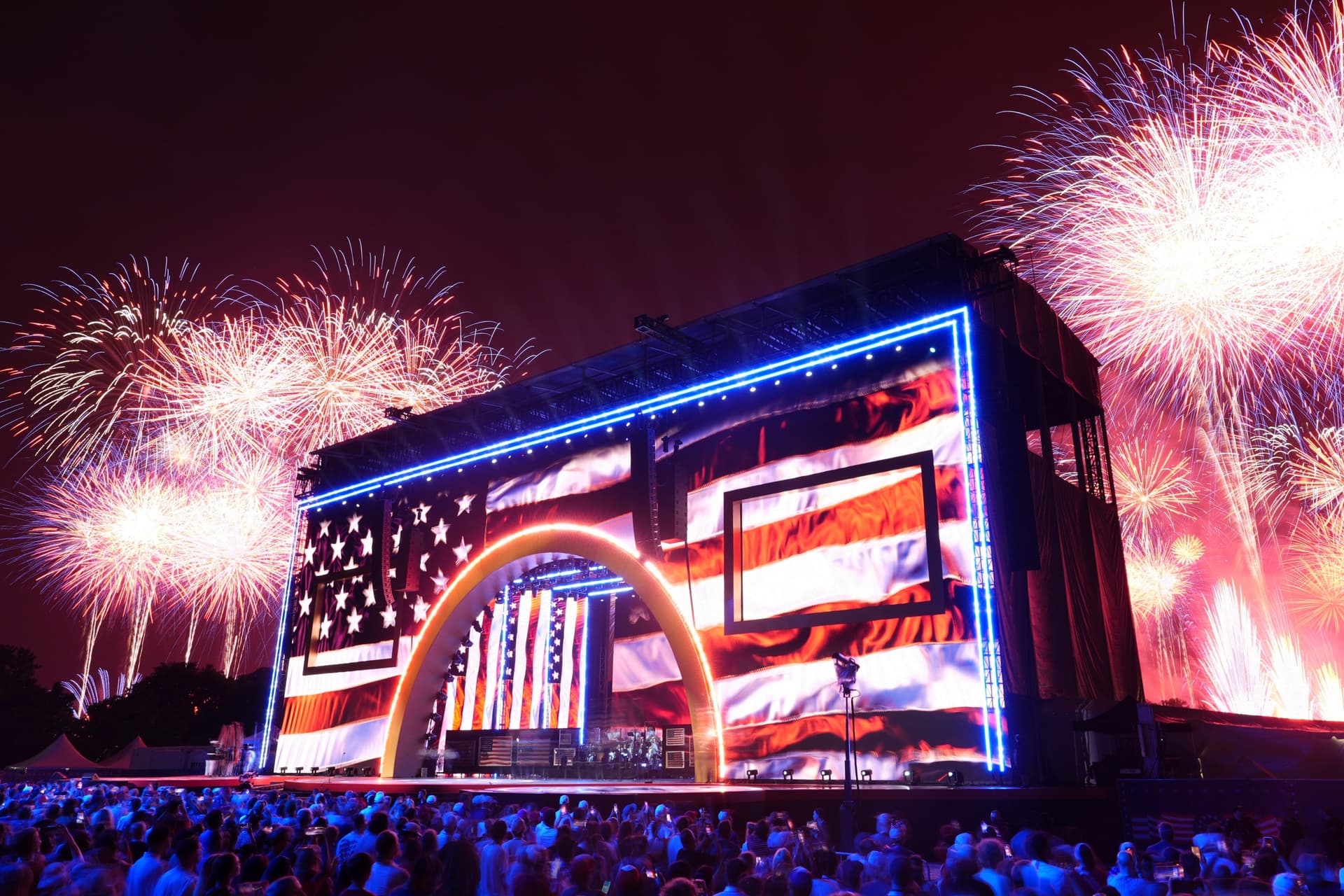
Trump renews push for photo ID voting law after Supreme Court ruling
Trump used the Salute to America 250 stage to press a photo ID voting bill that would require citizenship proof, tighter absentee rules and sharper limits on mail ballots.
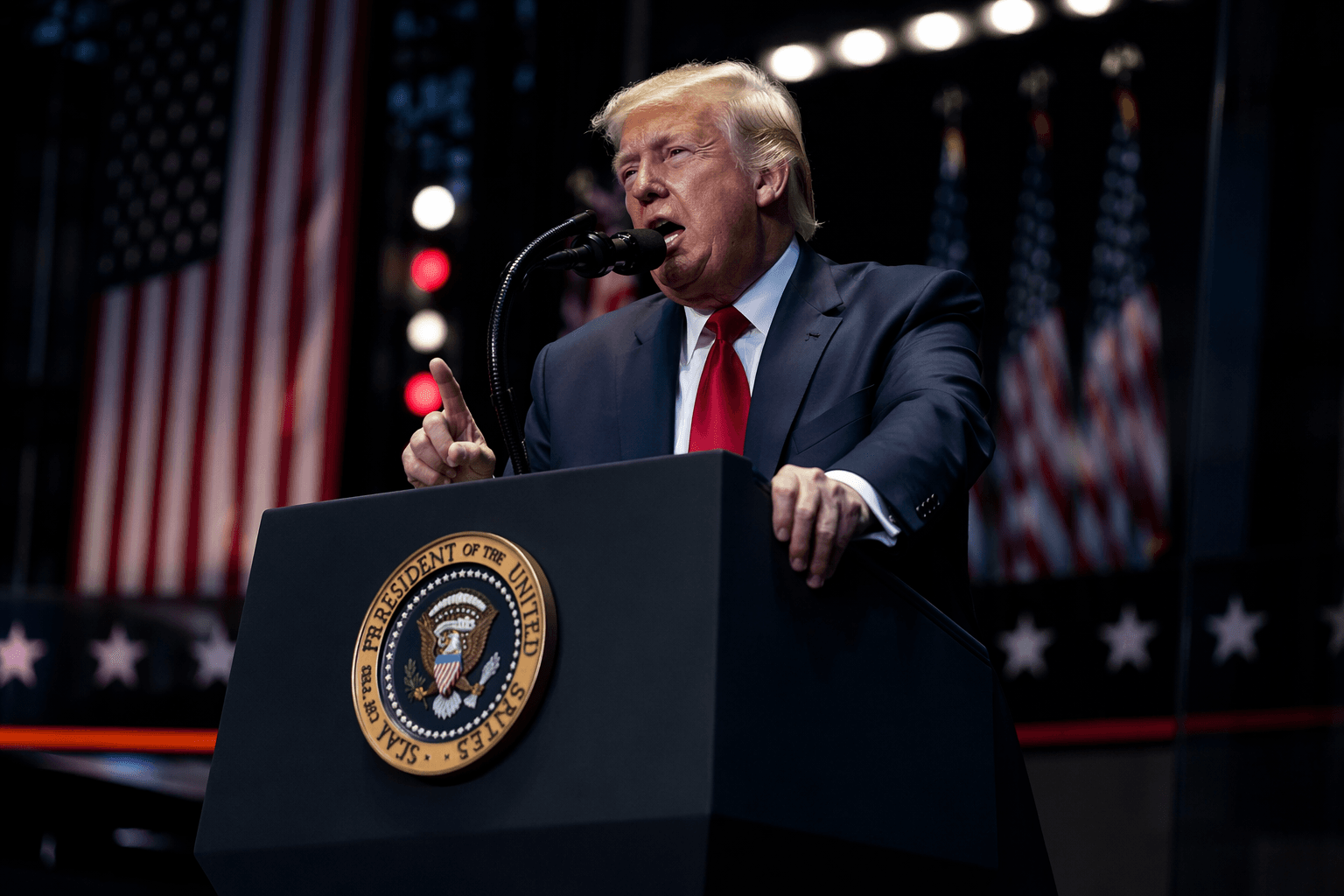
Donald Trump used the National Mall’s America 250 celebration to revive the SAVE America Act. In his Salute to America 250 speech, delivered after severe weather and evacuations delayed the July 4 event, Trump urged passage of the bill and linked it to the Supreme Court’s latest mail-ballot ruling.
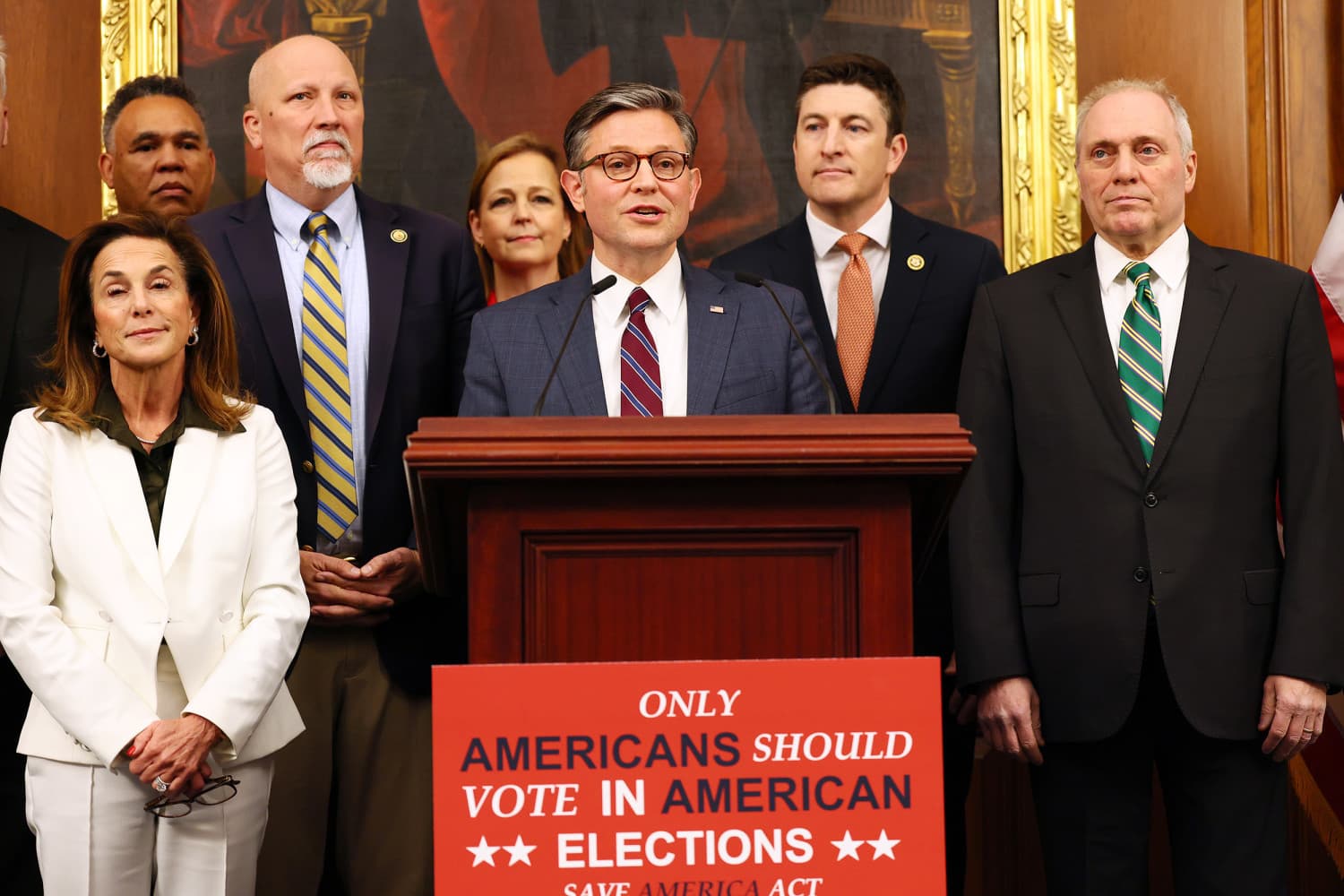
The bill, H.R. 7296, would require documentary proof of U.S. citizenship to register for federal elections, require photo identification to vote in federal elections and force absentee voters to submit a copy of ID both when requesting a ballot and when returning it. Rep. Chip Roy, R-Texas, introduced the measure on January 30, 2026, and the House Administration Committee received the referral. House Republicans passed the proposal earlier in 2026, but the Senate rejected it in June.
Trump’s renewed push followed the Supreme Court’s 5-4 decision on June 29, 2026, allowing Mississippi to keep counting certain mail ballots that arrive up to five business days after Election Day if they were postmarked on time. The Republican National Committee filed the Mississippi case in 2024, and the Trump administration backed the challenge to the state law, which Mississippi enacted in 2020 during the COVID-19 pandemic. Four justices dissented.
After that ruling, Trump called the decision a “tremendous loss” and said the SAVE America Act mattered more than ever. Federal law requires ballots to be cast by Election Day, but not necessarily received by then. About 30 states and the District of Columbia accept at least some ballots that are postmarked by Election Day but arrive later.
House Speaker Mike Johnson has said the only realistic path for the bill would be to attach it to a reconciliation measure, a workaround aimed at bypassing the Senate filibuster, which normally requires 60 votes to advance legislation.
Voting-rights groups say the proposal would add new barriers for eligible voters, especially low-income voters, naturalized citizens, voters of color, rural voters, older and younger voters, transgender voters and disabled voters. Advocates also warn that millions of married women who changed their names could face added documentation hurdles. The White House made America 250 a central theme in a January 29, 2025 executive order creating Task Force 250, and the July 4 fireworks display was one of the largest in the country’s history.
This article was produced by Prism’s automated news system from verified source data, official records, and press releases, then run through automated quality and moderation checks before publishing. The system is built and supervised by the people who set the standards it runs under. Read our full AI policy.
Did this article answer your question?