Trump says gas prices will fall when Iran war ends
Trump promised cheaper gasoline when the Iran war ends, but even a full gas-tax holiday would leave prices about 35% above where they were at the start.

Gasoline may not get cheaper simply because Donald Trump says the Iran war will end. Prices have already jumped sharply since the fighting began, and a calculation of the tax math shows that even wiping out all state and federal gas taxes would still leave average U.S. prices about 35% above their level at the start of the conflict.
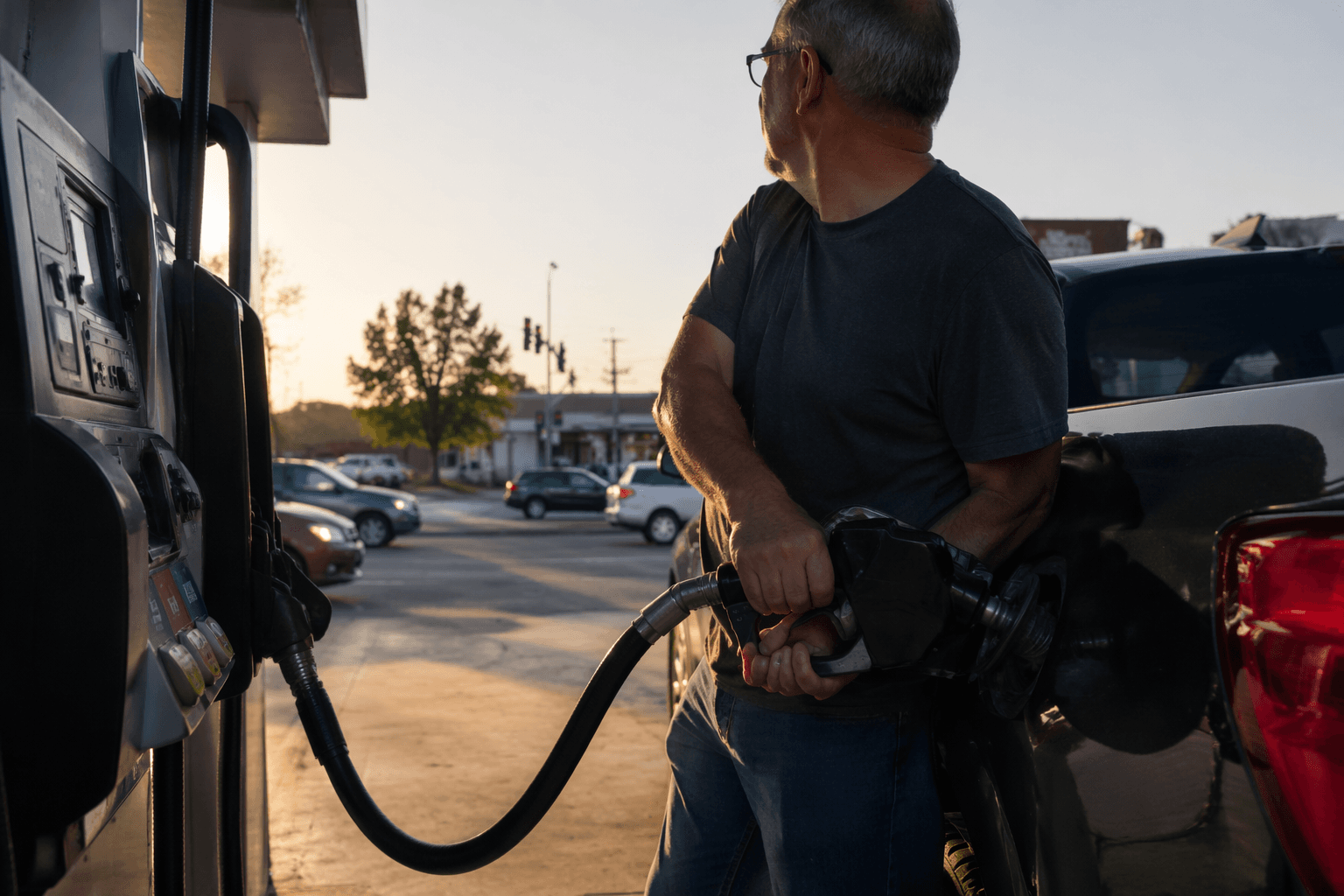
Trump repeated the promise in a lengthy interview on Meet the Press, saying gas prices would go down when the war ends and adding that the strikes on Iran could last four to five weeks. That message collides with the reality at the pump. National prices rose from about $2.94 a gallon one day into the U.S.-Israeli attack to $3.61 by March 12, then hovered around $4.50 in May. The federal gas tax is 18 cents per gallon, while the average combined state and federal taxes and fees come to about 51 cents, so even a full tax holiday would barely dent a war-driven spike.
The administration has floated suspending the federal gas tax, but that would require an act of Congress. Energy Secretary Chris Wright said the administration is open to all ideas to bring prices down and said Americans would feel some relief in a matter of weeks. That may help at the margins, but it does not resolve the larger pressure point: the war has spread across the Middle East, where more than a quarter of the world’s oil is produced, making the price outlook vulnerable to every new escalation.

Trump’s own rhetoric has also shifted. He spent years portraying himself as the anti-war candidate and won in 2016 and 2024 in part by running against “endless wars.” Now critics argue the United States is in a war of his own making, while Trump has tried to frame the conflict as a financial and strategic win, posting that when oil prices rise, “we make a lot of money” because of American energy dominance and insisting the campaign is justified because it blocks Iran from developing nuclear weapons.
At the same time, the White House is facing a separate credibility problem over a $1.776 billion Justice Department anti-weaponization fund created after Trump dropped a $10 billion IRS lawsuit. The fund could allow Jan. 6 rioters pardoned by Trump to seek taxpayer payouts, and it is scheduled to stop taking claims by Dec. 15, 2028. The Justice Department and White House say it is meant to compensate people who were “horribly treated” and to create a process for claims of government “weaponization and lawfare.” For Trump, the gasoline promise and the compensation fund now tell the same story: bold political messaging, but a policy record that leaves consumers and taxpayers with more questions than relief.
This article was produced by Prism’s automated news system from verified source data, official records, and press releases, then run through automated quality and moderation checks before publishing. The system is built and supervised by the people who set the standards it runs under. Read our full AI policy.
Did this article answer your question?

