Trump says he wasn't worried during White House dinner shooting
Trump said he "wasn't worried" as shots sent the White House Correspondents' Dinner into evacuation, exposing gaps in a night built to celebrate press freedom.
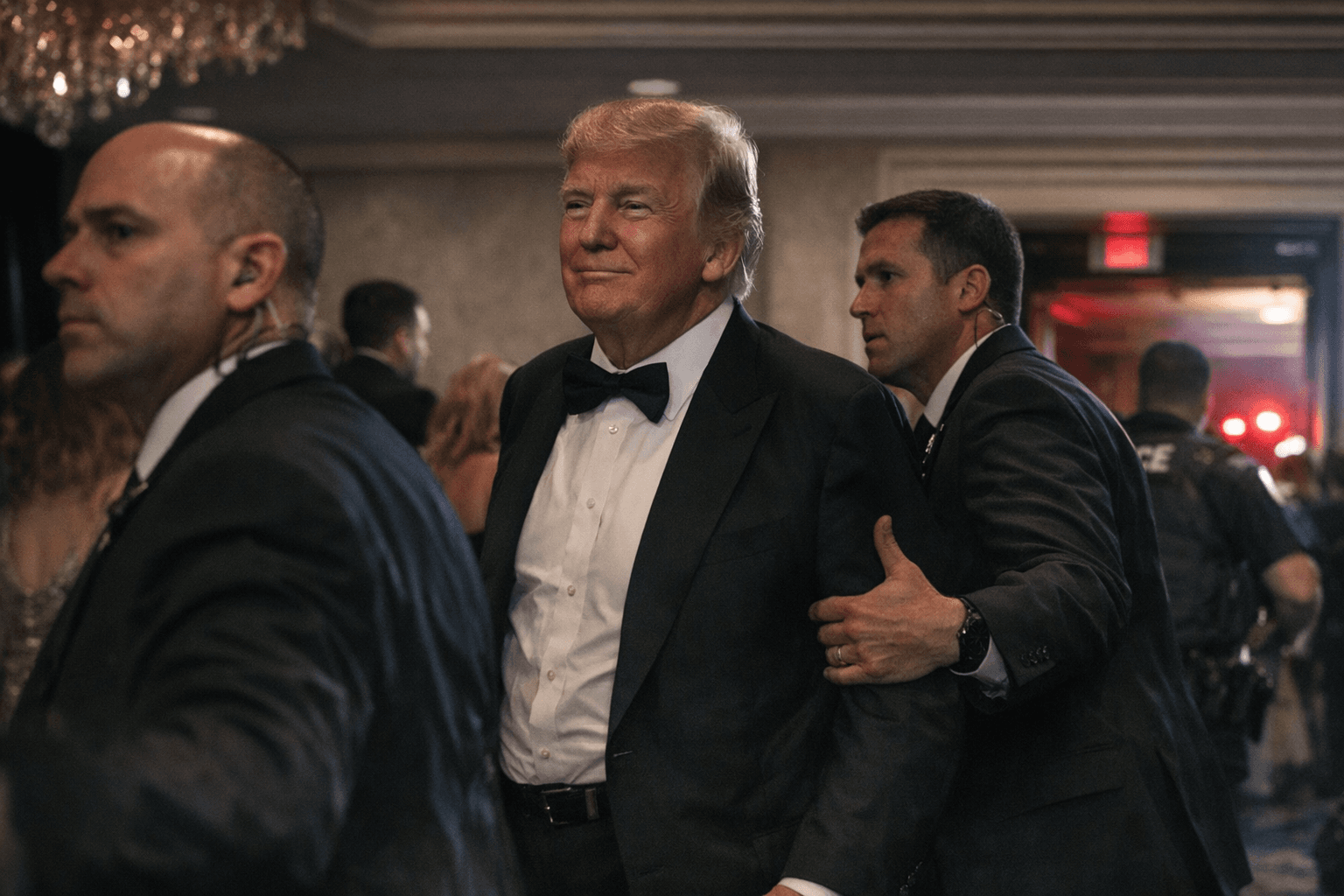
Trump tried to project calm after gunfire broke out at the White House Correspondents' Dinner, saying he "wasn't worried" and praising the law enforcement response even as guests were rushed out of the Washington Hilton in Washington, D.C. He also said he "wasn't making it that easy" for Secret Service agents as they moved him from the ballroom, a remark that underscored how quickly a black-tie political event turned into an emergency.
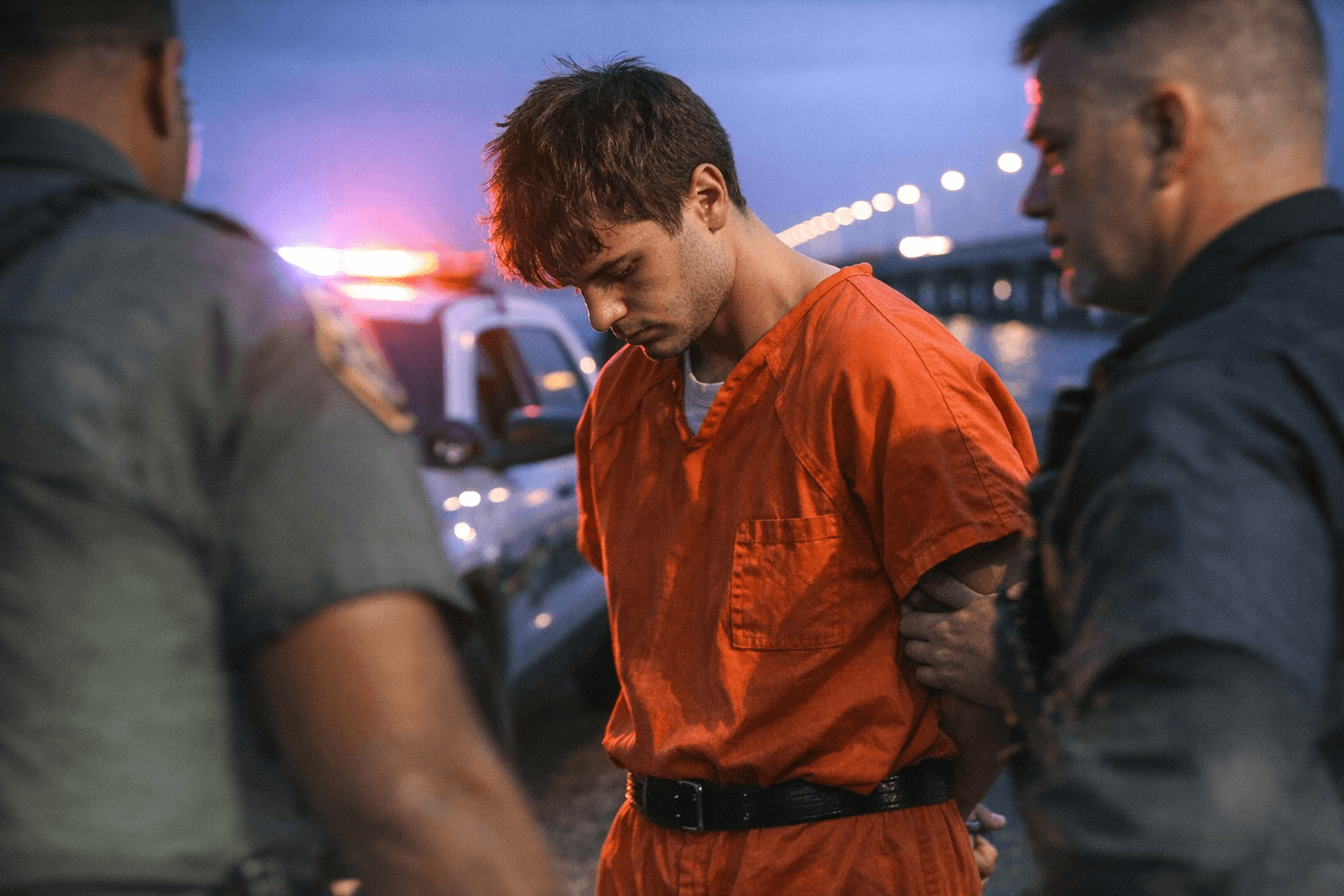
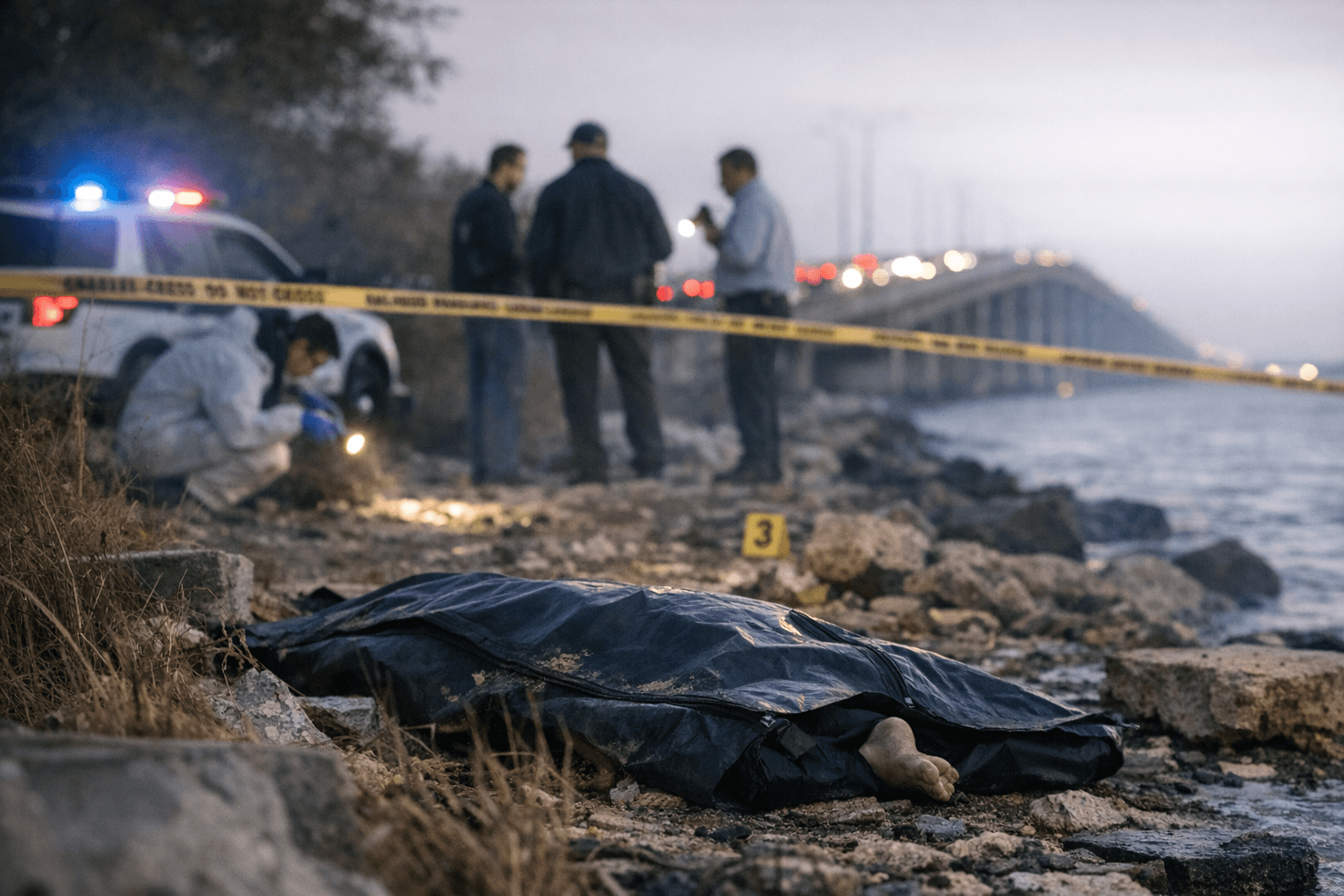
The shooting happened on Saturday, April 25, 2026, near the security screening area during the annual dinner, which draws the president, first lady, vice president, Cabinet officials and journalists. One Secret Service officer was hit in a bulletproof vest and later released from the hospital. The alleged gunman, identified as Cole Thomas Allen, 31, a teacher and video game developer from a suburb of Los Angeles, was tackled and arrested without injury. Authorities also searched a home linked to Allen in Torrance, California, and the FBI urged anyone with information to come forward.
The response has already sharpened the political and security debate in Washington. The dinner was not given the highest security designation, despite the presence of Donald Trump, JD Vance, Melania Trump and many senior officials, a classification that would have unlocked the full weight of federal resources. Prosecutors planned to charge Allen on three counts and arraign him Monday, April 28, 2026. The suspect had raced through a magnetometer before being apprehended, a detail that is likely to fuel new scrutiny of how such a prominent event was protected.

The White House Correspondents' Association has long billed the dinner as both a fundraiser for scholarships and journalism awards and a symbol of press freedom, with roots dating to 1914. Before the attack, the group had announced Oz Pearlman as the headline act for the 2026 dinner. Now the event is being recast by the violence that interrupted it and by the question of who gets protected first when power is threatened in the capital.
That question has already taken hold beyond the ballroom. The Atlantic argued that the attack exposed a "dark new litmus test for power in Washington," a measure revealed not by speeches but by who was evacuated and who was left vulnerable. Trump and allies have also pointed to the shooting to argue for a White House ballroom, saying it would be far more secure than a hotel venue. For a president eager to project command, the gap between the rhetoric of composure and the reality of an emergency response may prove to be the most revealing part of the night.
Know something we missed? Have a correction or additional information?
Submit a Tip