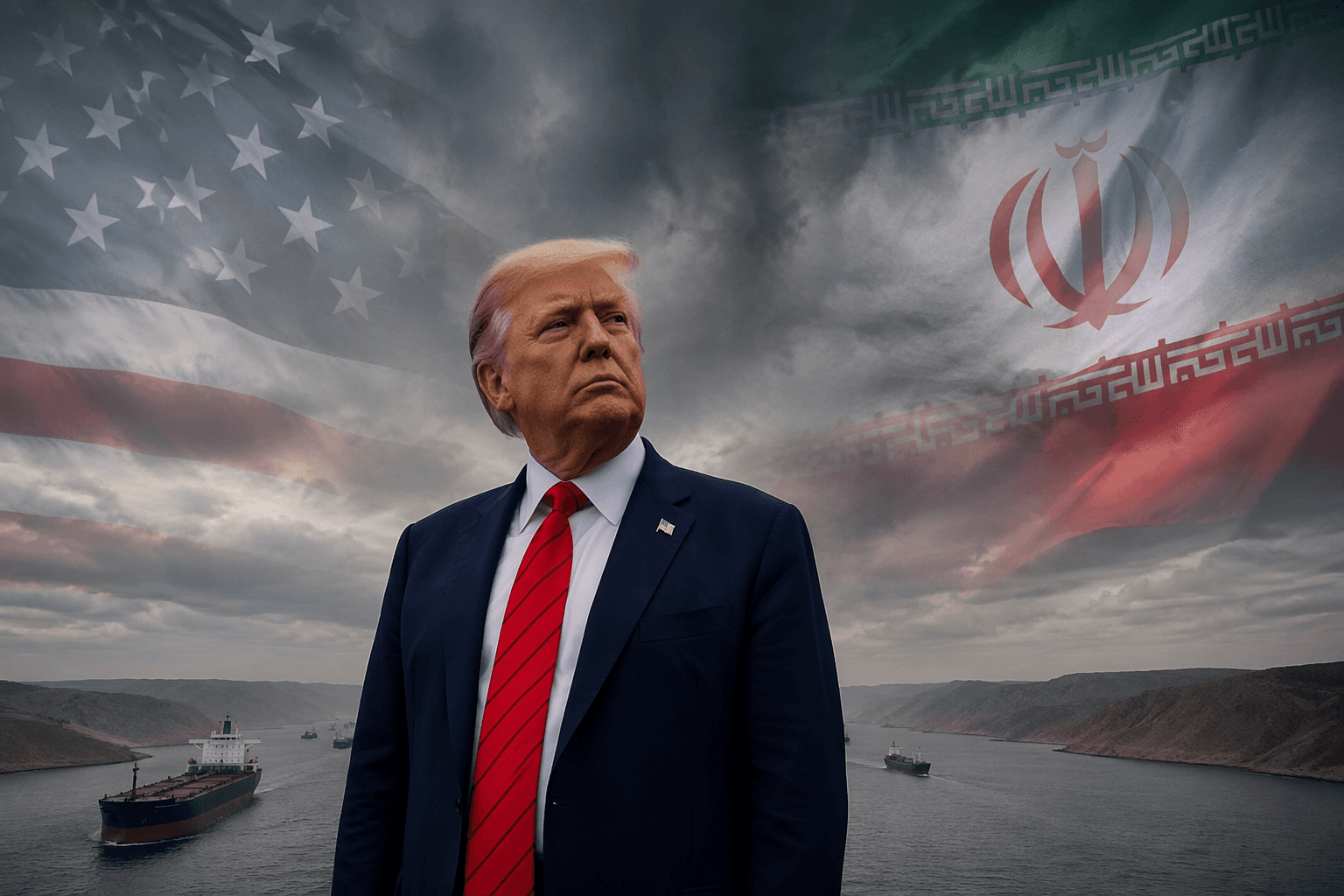
Trump says Iran deal is largely negotiated, Hormuz dispute remains unresolved
Trump said the Iran deal was mostly done, but he kept the Strait of Hormuz shutdown in place, leaving oil markets and diplomacy in limbo.
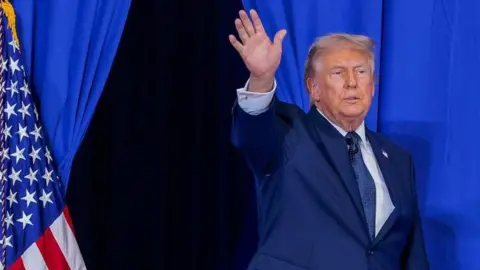
Donald Trump said the Iran agreement was largely negotiated, but he also told U.S. negotiators not to rush, keeping the most sensitive question, control of the Strait of Hormuz, unresolved. The result was a familiar Washington trade-off: a deal that could lower regional risk and calm energy markets, but only if the United States can extract more leverage before signing.
The framework under discussion called for a 60-day ceasefire extension, during which the Strait of Hormuz would be reopened and Iran would be able to sell oil more freely. Nuclear negotiations would then begin during that same window, with some reports saying the talks would be held within 30 to 60 days. Trump said on Saturday that the agreement was “largely negotiated,” but on Sunday he made clear that the blockade would remain until any deal was certified and signed.
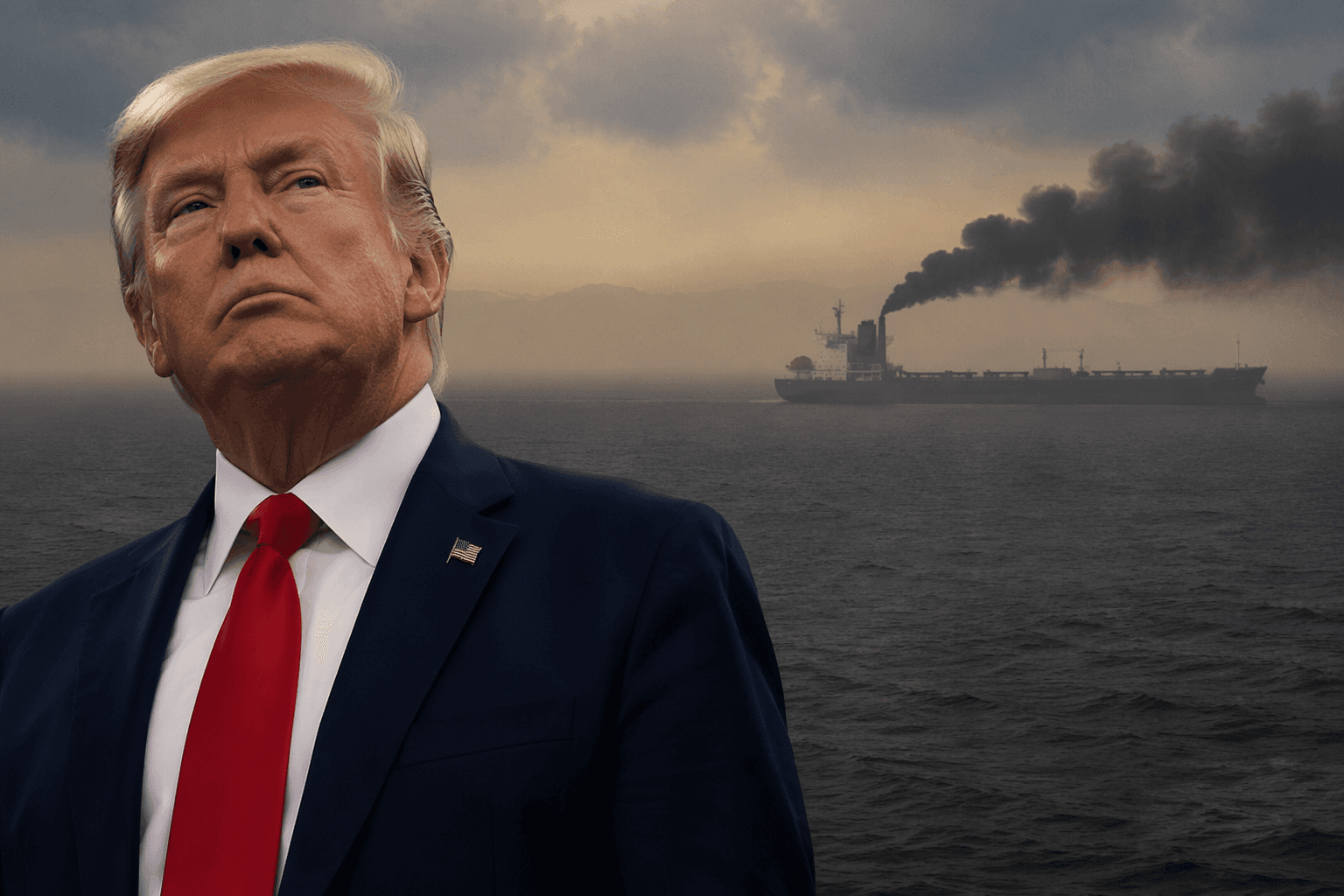
That pause matters because the Strait of Hormuz is one of the world’s most strategically vital shipping lanes and energy chokepoints. Any reopening would have immediate market consequences, especially after recent fighting and restrictions in the waterway already pushed energy prices higher and disrupted shipping. Even a temporary thaw could ease some of that pressure, but only if the agreement survives the final stretch of bargaining.
The draft is being described as a memorandum of understanding rather than a final treaty, leaving room for last-minute disputes to derail it. Iranian media pushed back hard on Trump’s description, with Fars news agency saying any agreement would leave the strait under Iranian management and calling his characterization inconsistent with reality. Iranian officials also said one or two issues were still unresolved, underscoring how much hangs on the final wording.
An earlier Iranian proposal rejected by Trump would have reopened shipping in the strait before nuclear talks began, a sequence that showed how closely the two sides are now bargaining over timing as well as substance. By slowing the pace now, Trump appears to be signaling that Washington wants more than a temporary ceasefire: it wants proof that Tehran will trade control over a vital corridor, energy sales, and nuclear leverage on terms the White House can sell at home and defend abroad.
Know something we missed? Have a correction or additional information?
Submit a Tip