Trump says Iran nuclear deal is largely negotiated, but no weekend signing
Trump says the deal is “largely negotiated,” but the real fight is over who takes Iran’s uranium and how inspectors prove it’s gone.
The real question is not whether Donald Trump can declare progress. It is what “agreeing in principle” to dispose of highly enriched uranium means in practice, and whether any enforcement mechanism can make that promise credible enough to lower nuclear risk.
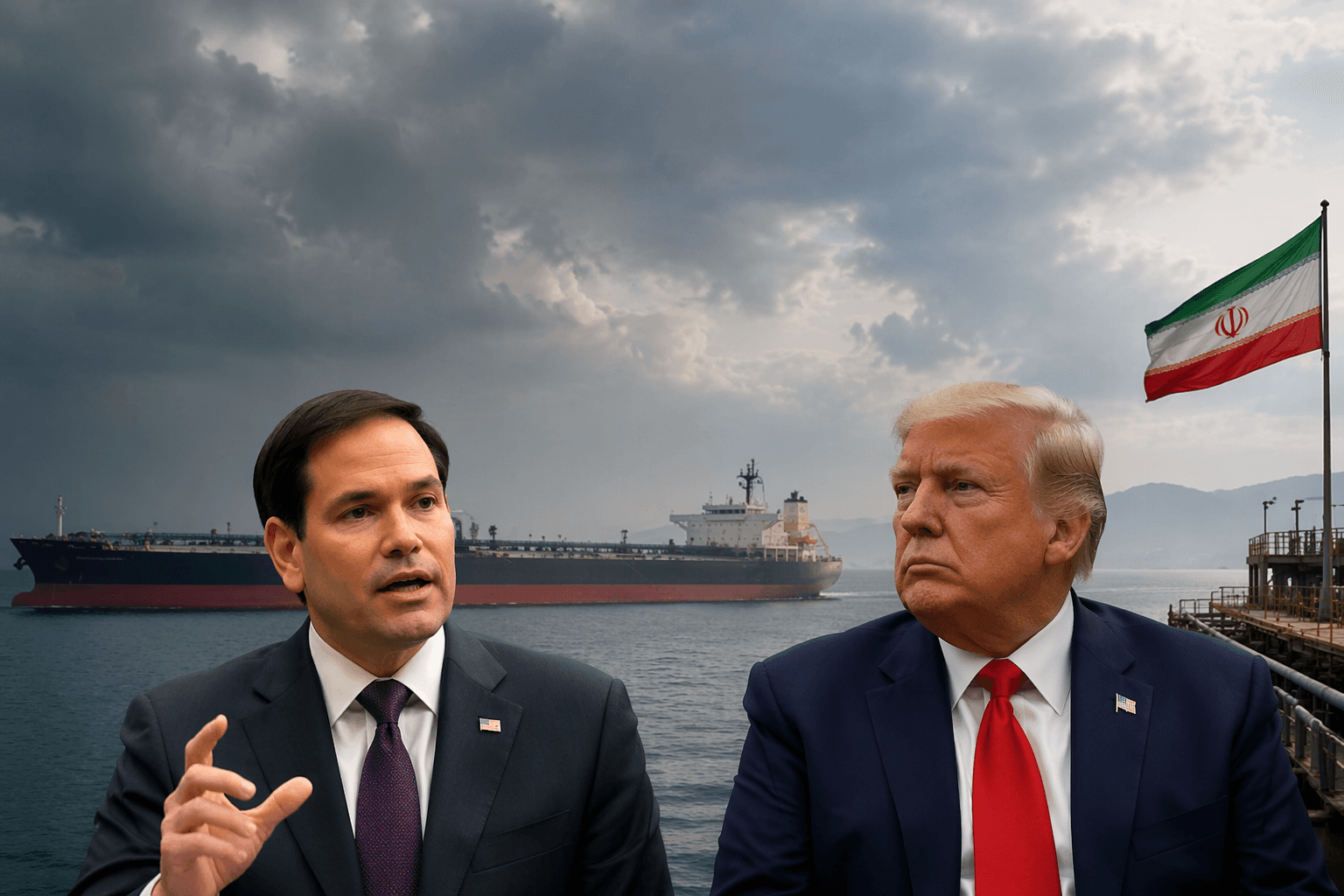
A senior Trump administration official said a deal to end the Iran war likely would not be signed this weekend, even after Trump described the peace deal on Saturday as “largely negotiated.” By Sunday, Trump was telling his representatives not to rush, saying “time is on our side.” Vice President JD Vance, Middle East envoy Steve Witkoff and Jared Kushner have all been involved in the talks, which the administration says have reached a broad template but still need a final mechanism for removing or neutralizing Iran’s uranium stockpile.
That mechanism is the central issue. The administration says Iran has agreed in principle to dispose of highly enriched uranium, and the official said neither side disputes that the material will be dealt with. The dispute is over how. Washington is treating removal of the uranium as a core condition of any broader agreement, and officials have said the United States would lift its blockade on ships entering and exiting Iranian ports if a deal is reached, with coordination between U.S. Central Command and Gulf countries to keep passage safe.
The stakes are high because Iran’s stockpile is already far beyond the limits set by the 2015 nuclear accord. The International Atomic Energy Agency said Iran’s total enriched uranium stockpile stood at 9,247.6 kg as of 17 May 2025. Inspectors last verified more than 400 kg enriched to 60% shortly before the June 2025 conflict, a level far above the 3.67% cap under the Joint Comprehensive Plan of Action and close to the 90% threshold associated with weapons-grade material. The agency says Fordow is Iran’s main enrichment site for 60% uranium, while the above-ground Pilot Fuel Enrichment Plant at Natanz, where Iran was producing uranium enriched up to 60%, was destroyed in June 2025 strikes.
But diplomacy is colliding with a deeper political fight over whether any of that material can leave Iran at all. Two senior Iranian sources told Reuters that the supreme leader had ordered the near-weapons-grade uranium not be sent abroad. Israeli officials said Trump had assured Israel the stockpile would be removed from Iran, and Benjamin Netanyahu has said the war will not be over until enriched uranium is removed, Iran ends support for proxy militias and its ballistic missile capabilities are eliminated. Iran says its nuclear program is civilian in purpose only.
That leaves inspectors as the credibility test. Without a verified chain of custody for the uranium, and a return of IAEA monitors to account for the stockpiles, especially the 60% material, any deal will remain a political announcement rather than a durable nuclear constraint.
Know something we missed? Have a correction or additional information?
Submit a Tip