Trump says "not happy" with Iran as US sends second carrier
Trump says he is "not happy" as the United States moves the USS Abraham Lincoln and readies the USS Gerald Ford; embassy families were offered to leave, raising escalation risks.
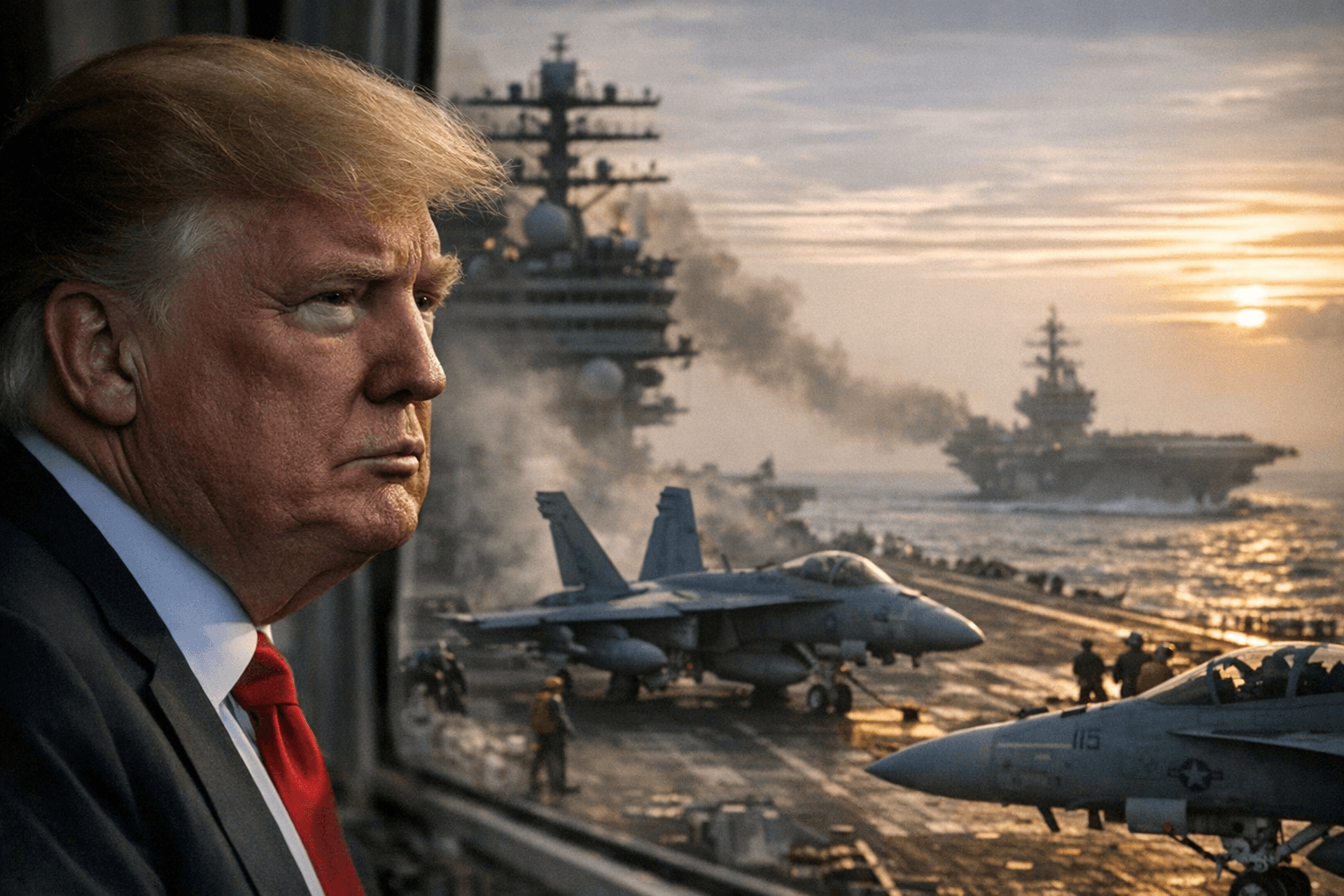
President Donald Trump said he was "not happy" with Iran as the United States moved a second aircraft carrier closer to the Middle East and repositioned fighter squadrons and tankers, signaling an unprecedented military posture that officials describe as the largest US build-up in the region since the 2003 invasion of Iraq.
The USS Abraham Lincoln carrier strike group is already in the region, the USS Gerald Ford carrier strike group is on the way, and embassy officials told families of American diplomats they could leave. The U.S. Ambassador to Israel, Mike Huckabee, sent an email permitting staff to depart, and the U.S. Embassy in Israel urged employees who wanted to leave to do so. Several other governments have advised their citizens to leave Iran, and some flights have been suspended as people are urged to depart.
Diplomacy has continued in parallel with the military moves. U.S. envoys Steve Witkoff and Jared Kushner met in indirect talks mediated by Oman's foreign minister Badr Albusaidi. Separate Geneva sessions this week also produced the mediator's assessment of "significant progress," and Tehran hailed "good progress," but the White House has not signaled that the diplomatic path has removed the specter of conflict.
Trump framed the crisis in blunt terms. He said, "I’m not happy with the fact that they’re not willing to give us what we have to have. I’m not thrilled with that. We’ll see what happens," and added, "We’ll have some additional talks today. But no, I’m not happy with the way they’re going." He also told reporters, "I think they’ll be successful," and warned, "If they’re not, it’s going to be a very bad day for Iran." On the question of force he said, "I’d love not to use it, but sometimes you have to. We’ll see what happens." He acknowledged the risks, saying, "I guess you could say there's always a risk," and "You know, when there's war, there's a risk of anything, both good and bad."
Tehran has vowed to respond to any attack with force and announced naval exercises that authorities say would simulate threats in the Strait of Hormuz. State outlets described the drills as simulating "real maritime threats" and suggested any temporary closure of parts of the strait would be "for a few hours" to "observe safety and navigation protocols."
Intelligence assessments offer differing timeframes and warnings. A 2025 defense intelligence assessment said Iran could develop a militarily viable intercontinental capability by 2035 should it decide to pursue that path. A separate annual threat assessment released in March did not identify a direct missile threat to the U.S. homeland. "Iran sees its ballistic missiles as a key bargaining chip and essential for deterrence, implying a need to preserve the force for future standoffs," said Benjamin Jensen, a security analyst.
The United Nations has urged restraint. "We're seeing both positive messages coming out of the diplomatic tracts, which we're continuing to encourage. We're also seeing very worrying military movements. throughout the region, which is extremely concerning as well," a U.N. spokesperson said.
Health systems and communities in the region are already feeling the strain of uncertainty. Evacuation advisories and suspended flights can disrupt access to routine and emergency care, and any escalation that affects shipping in the Strait of Hormuz could interrupt fuel and medical supply chains. Hospitals near potential front lines would face surge demands while clinics cope with displacement and mental health needs among civilians and diplomatic families. With talks still under way, the balance between military pressure and diplomatic progress will determine whether those risks grow into a broader public health and humanitarian crisis.
Know something we missed? Have a correction or additional information?
Submit a Tip