Trump says UK got better trade deal, hints terms could change
Trump said the UK got a better deal than he had to give and warned it “can always be changed,” deepening uncertainty over a 10% tariff floor.
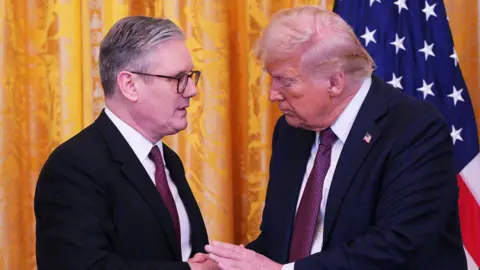
Donald Trump put fresh pressure on the UK’s trade settlement by saying Britain got “a good trade deal” that was “better than I had to” and adding, “Which can always be changed.” For companies on both sides of the Atlantic, the message was blunt: even an agreement already in force carries an uncertainty premium if the White House signals it may be reopened.
The warning landed on the first major trade accord of Trump’s second term. The UK was the first country to reach a trade understanding with the United States after general terms were announced on May 8, 2025, and the Economic Prosperity Deal was updated on June 20, 2025, as implementation moved forward. The arrangement lowered US tariffs on British autos, steel, aluminium and aerospace goods, while the UK agreed to open more access for US beef and allow 1.4 billion litres of US bioethanol in tariff-free.
But the deal never removed the core friction point. A 10% tariff remained on most other UK goods, and the House of Commons Library said on April 14, 2026, that the agreement had only been partially implemented. It also said the tariff outlook remained uncertain after a US Supreme Court decision on February 20, 2026, leaving questions over whether the 10% levy would stay in place or be altered under a new legal framework.
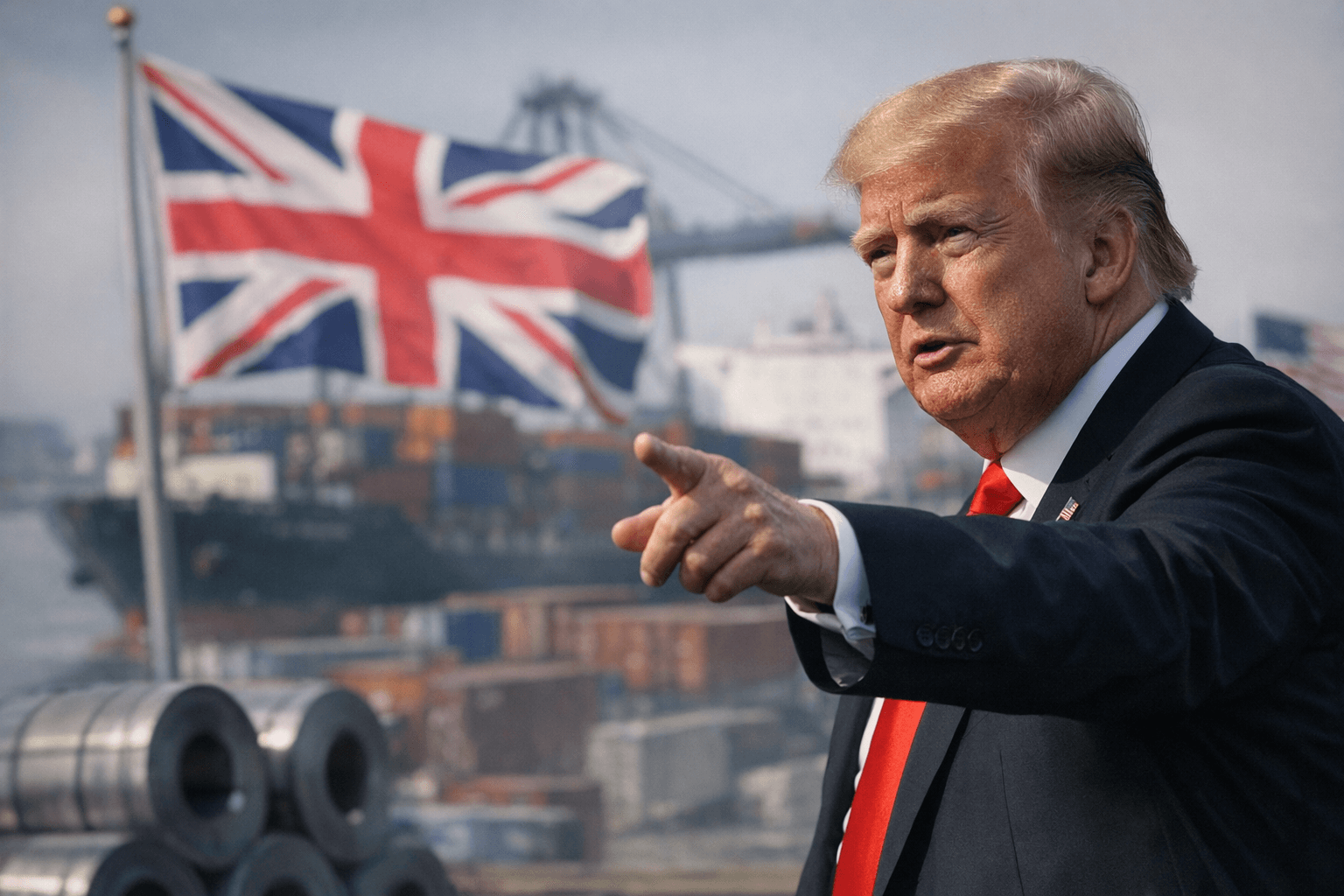
That uncertainty matters because the United States is Britain’s largest single trading partner, accounting for 18% of total UK trade, worth £315 billion in 2024. The two countries also have £1.2 trillion invested in each other’s economies, which makes tariff changes, regulatory shifts and future renegotiations matter far beyond headline politics. For manufacturers, logistics groups and investors, the issue is no longer just what the deal says today, but whether the rules can be changed at will tomorrow.
Trump’s comments also widened the political strain around a relationship already under pressure. In the same interview, he attacked Keir Starmer’s North Sea oil policy and immigration policy, calling Britain’s immigration rules “insane” and saying Starmer had made a “tragic mistake” in closing North Sea oil. The timing added diplomatic sensitivity as King Charles III prepares for a state visit to the United States later in April 2026, turning a commercial dispute into a broader test of how durable the transatlantic relationship really is.
This article was produced by Prism’s automated news system from verified source data, official records, and press releases, then run through automated quality and moderation checks before publishing. The system is built and supervised by the people who set the standards it runs under. Read our full AI policy.
Did this article answer your question?

