Trump says U.S. and Iran could be close to peace deal
Trump said a U.S.-Iran deal was "largely negotiated," but uranium, Hormuz and sanctions still split the two sides.
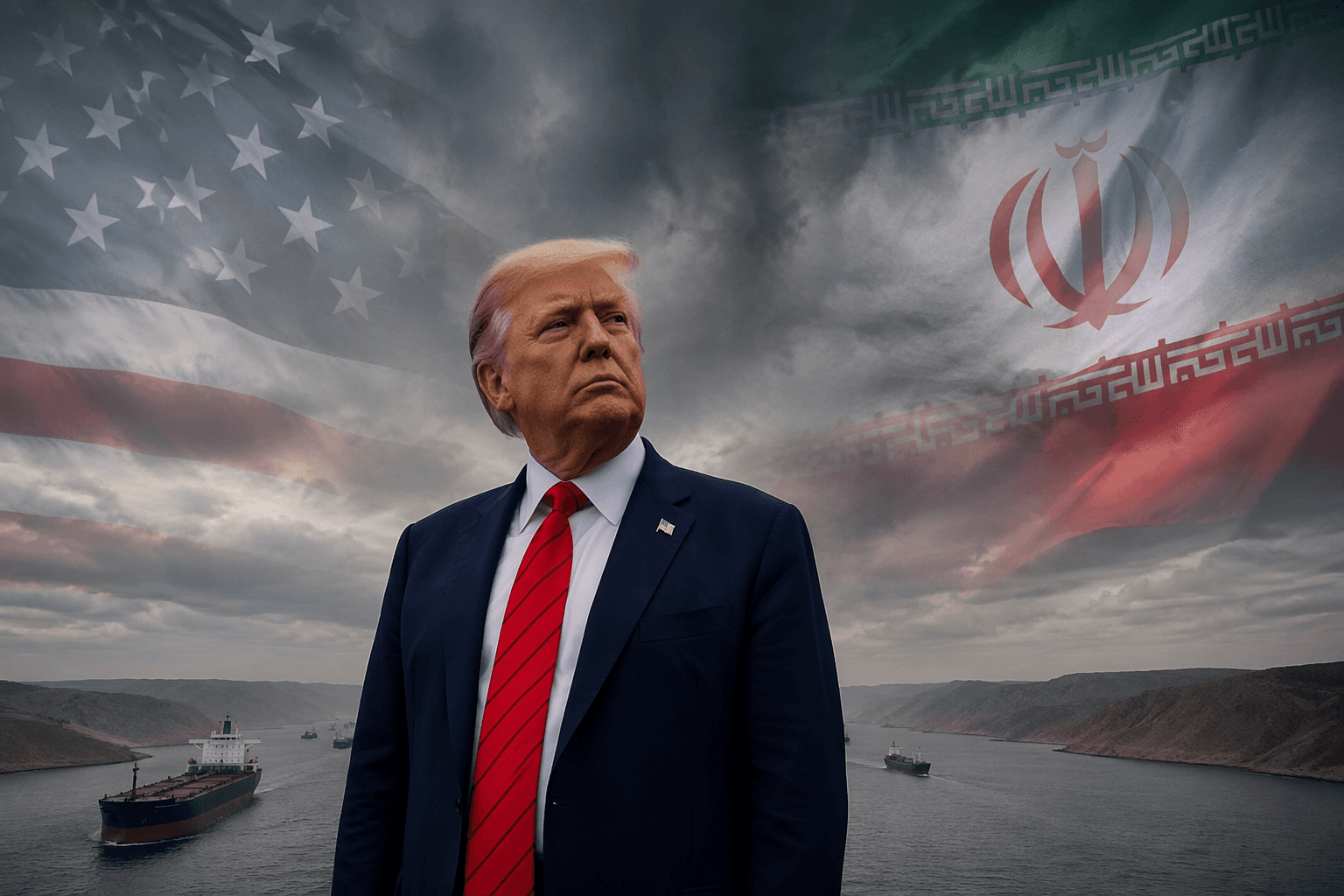
Donald Trump said the United States and Iran were close to an agreement, but the deal still turns on five hard questions that reach from Iran’s nuclear stockpile to the Strait of Hormuz. The framework Trump described as "largely negotiated" would still begin with a memorandum of understanding, followed by broader talks over the next 30 to 60 days, a sign that the real bargaining is only entering its most fragile phase.
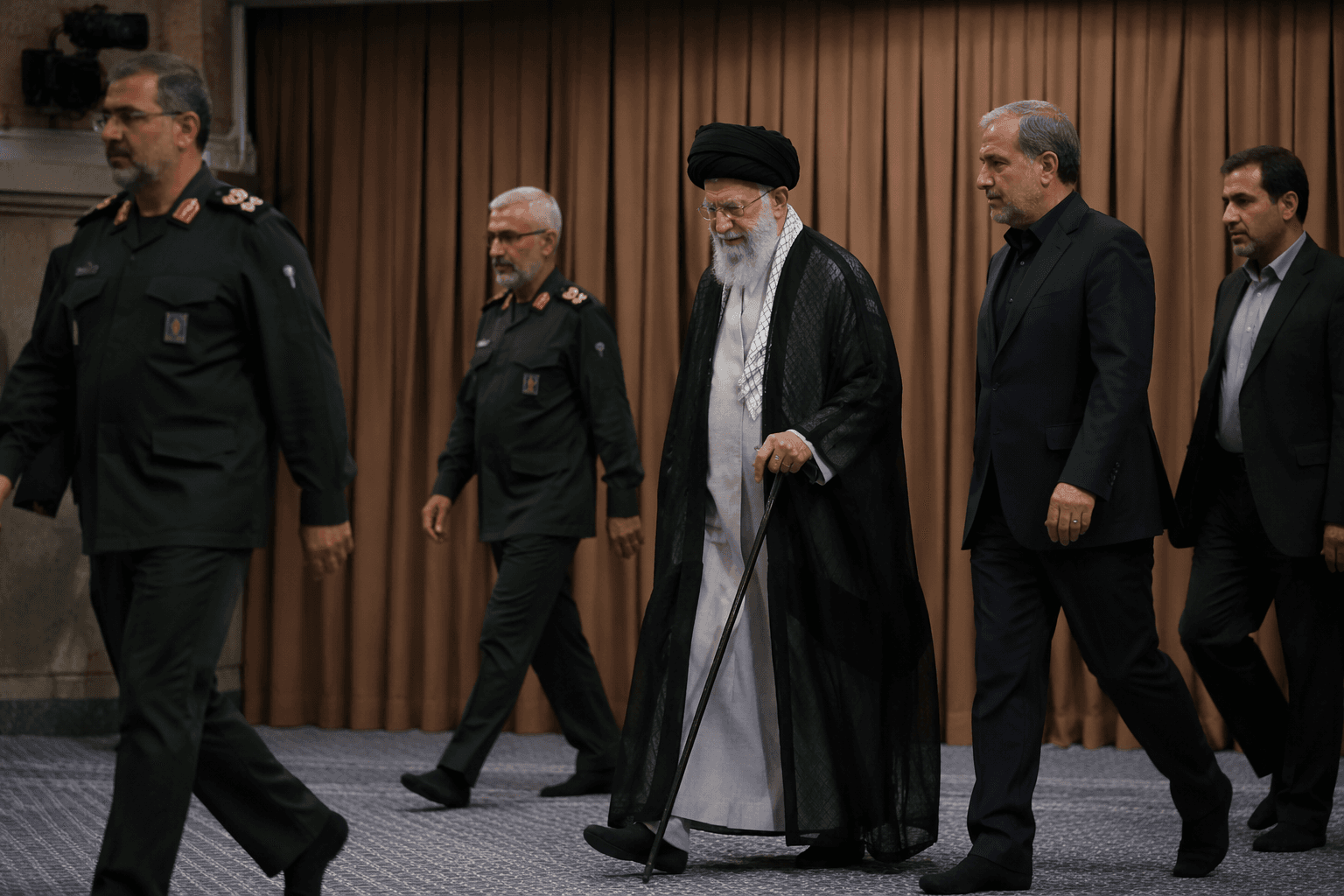
The sharpest dispute is Iran’s stockpile of highly enriched uranium. The International Atomic Energy Agency estimated that Iran held 440.9 kilograms of uranium enriched to 60% when U.S. and Israeli strikes hit nuclear facilities in June 2025, and inspectors had last verified more than 400 kilograms shortly before the June 13 attacks. A workable compromise would require some mix of shipment abroad, dilution, or tightly monitored storage inside Iran. Iranian sources said Supreme Leader Ali Khamenei wants the stockpile to remain in Iran, while U.S. Secretary of State Marco Rubio has said the disposition of that material is a core pillar of any agreement.
The second pressure point is future enrichment itself. Washington wants a hard ceiling that prevents Iran from rebuilding a pathway to weapons-grade material, while Tehran is likely to resist any language that looks like permanent surrender of its nuclear rights. The most plausible middle ground would be a lower enrichment cap, fewer centrifuges and intrusive verification by the International Atomic Energy Agency. The issue is whether Iran would accept real limits that can be checked, or only paper restraints that can be reversed later.
The third unresolved issue is access for inspectors. The June 2025 strikes disrupted Iran’s facilities and the ceasefire that followed remains fragile, which makes the return of full International Atomic Energy Agency monitoring central to any enforcement plan. If there is a serious deal, inspectors would need access not only to declared sites but to the materials and records that explain where the 60% stockpile went. Iranian officials may accept a narrow monitoring regime; U.S. officials are likely to push for broader and faster access.
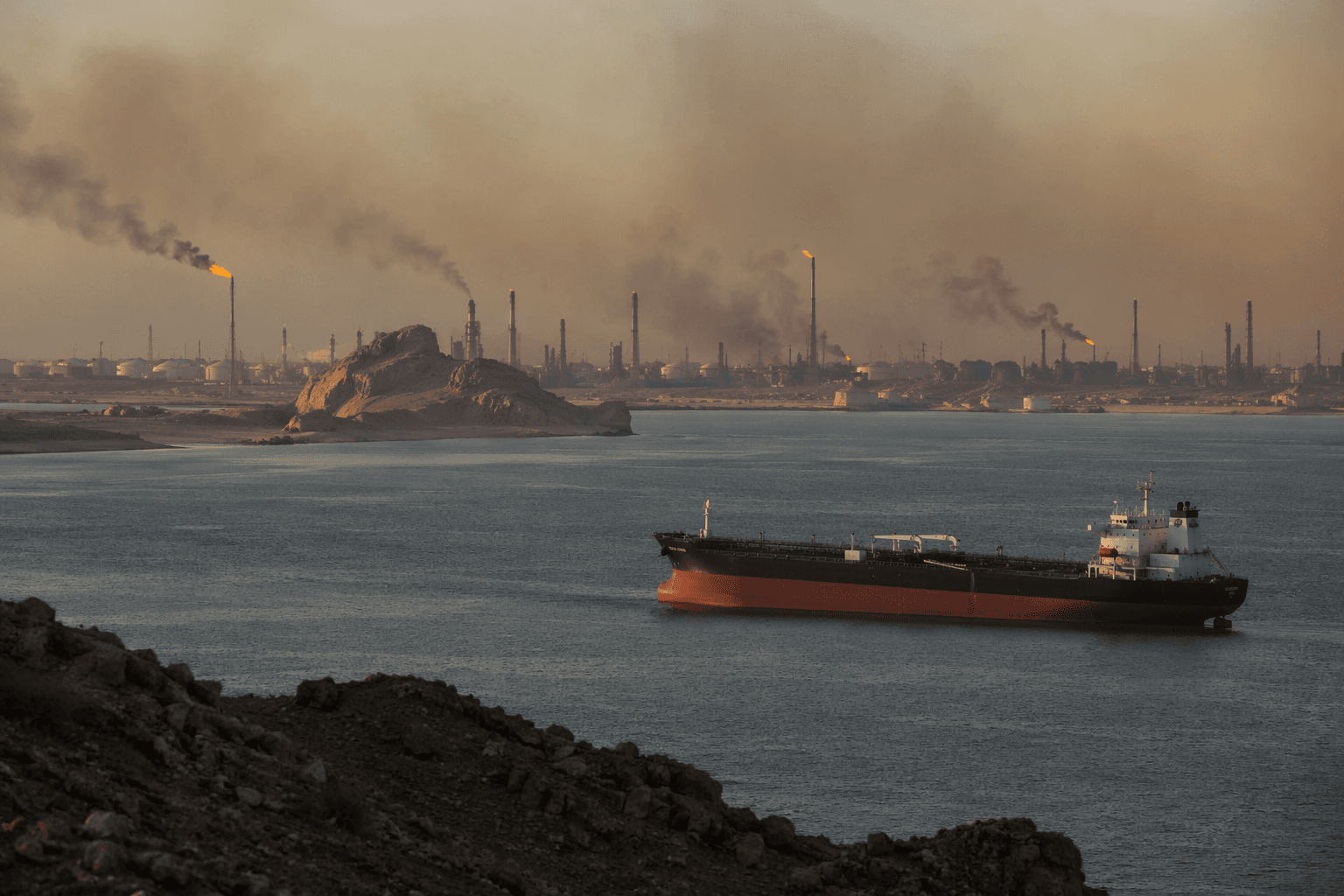
The fourth issue is the Strait of Hormuz, where Trump has said the agreement would reopen the waterway. United Nations data show the strait normally carries roughly one-fifth of global oil supplies, about 20 million barrels a day, and ship traffic fell to between two and 16 vessels a day during the crisis from more than 100 daily before it. A compromise could restore safe passage while leaving Iran with a face-saving role in management. That would still draw resistance from anyone in Tehran who views the strait as strategic leverage, and from Gulf states that want more than symbolic guarantees.
The fifth issue is sanctions relief versus continued pressure. In May 2026, the U.S. State Department kept targeting Iranian financial, shipping and oil networks even as talks advanced, showing that coercion remains part of the negotiating table. A phased rollback tied to verified compliance is the only path that looks credible. But the side most likely to reject it is the one asked to move first. Of all the disputes, the uranium stockpile is most likely to sink the agreement, because both sides have drawn red lines around it and neither has shown a willingness to yield on sovereignty or proliferation risk.
Know something we missed? Have a correction or additional information?
Submit a Tip