Trump says U.S. could pursue friendly takeover of Cuba amid crisis
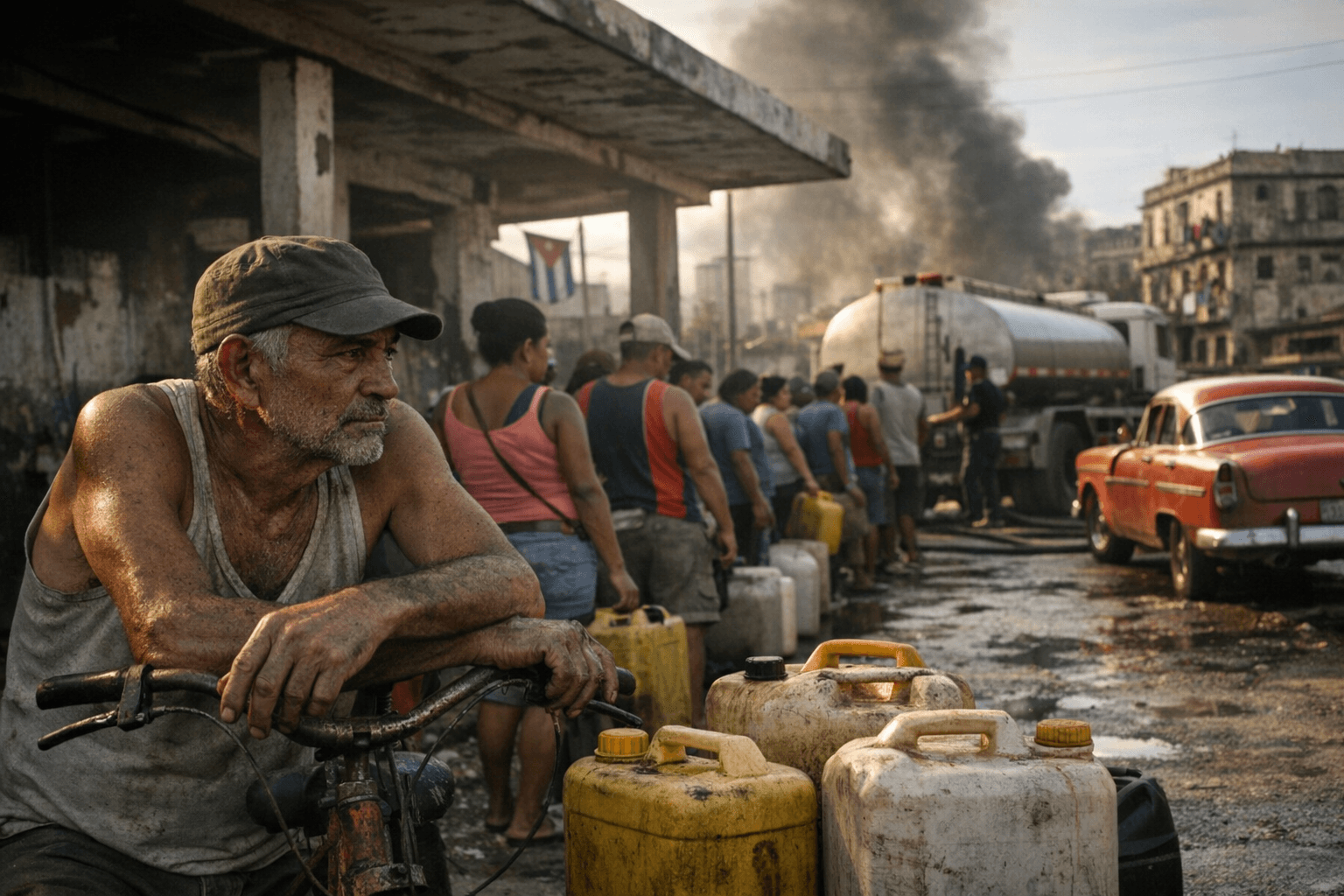
Trump told reporters Feb. 27 that the U.S. "could very well end up having a friendly takeover of Cuba," as Havana reels from fuel and food shortages after Venezuela's leader was removed.

President Donald Trump said "We could very well end up having a friendly takeover of Cuba" as he left the White House for a trip to Texas on Feb. 27, 2026, and added that "they have no money, they have no oil, they have no food and it's really right now a nation in deep trouble and they want our help." The remarks were made outside the White House en route to a Corpus Christi speech and came the same week U.S. officials signaled a partial softening of earlier oil restrictions affecting the island.
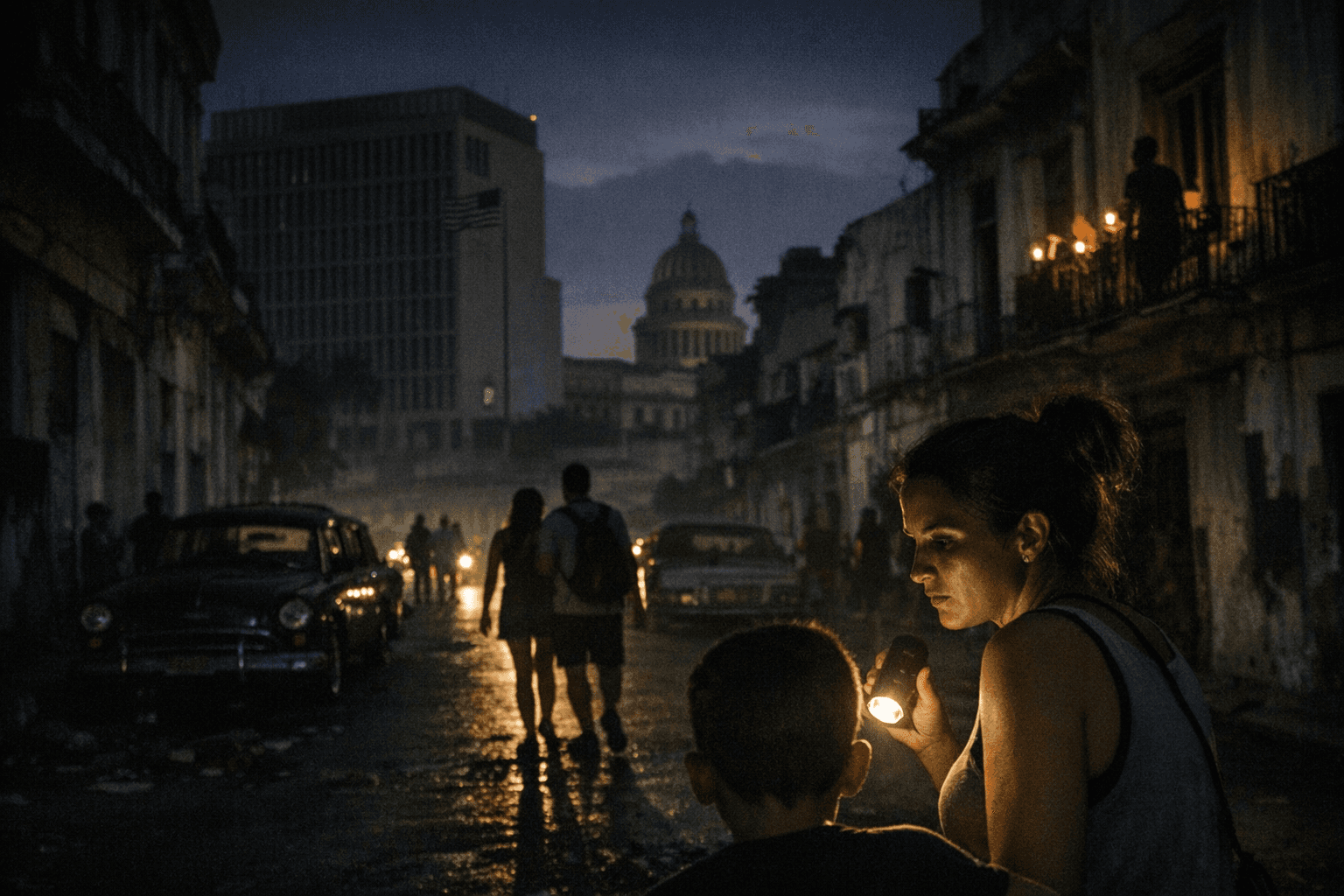
The comments follow a U.S. operation in early January that resulted in Nicolás Maduro’s removal from power, a move that interrupted long-standing Venezuelan oil shipments to Cuba and intensified fuel shortages on the island. In late January the White House issued an executive order pledging to impose tariffs on countries supplying oil to Cuba; U.S. authorities have since indicated Venezuelan oil can be sold to Cuban interests in some cases as the crisis deepened.
Administration officials are pairing economic pressure with diplomatic contacts. Trump said Secretary of State Marco Rubio was "engaging at a very high level" with Havana; press reports have said Rubio has spoken with Raúl Guillermo Rodríguez Castro, the grandson of former leader Raúl Castro, who is reported to be 94 years old. Those reported contacts were described as taking place on the sidelines of regional meetings, though no formal agreement or public text of negotiations has been released.
Havana’s foreign ministry pushed back on the U.S. policy and complained about the humanitarian fallout. Cuba’s deputy foreign minister Carlos Fernández de Cossío posted on X and then deleted a message saying, "the US maintains its fuel embargo against Cuba in full force, and its impact as a form of collective punishment is unwavering. Nothing announced in recent days changes this reality. The possibility of conditional sales to the private sector already existed and does not alleviate the impact on the Cuban population." Meanwhile, dozens of U.S. social organizations, including the Alliance of Baptists and the Presbyterian Church, have urged Congress to press the administration to reverse its aggressive policy.
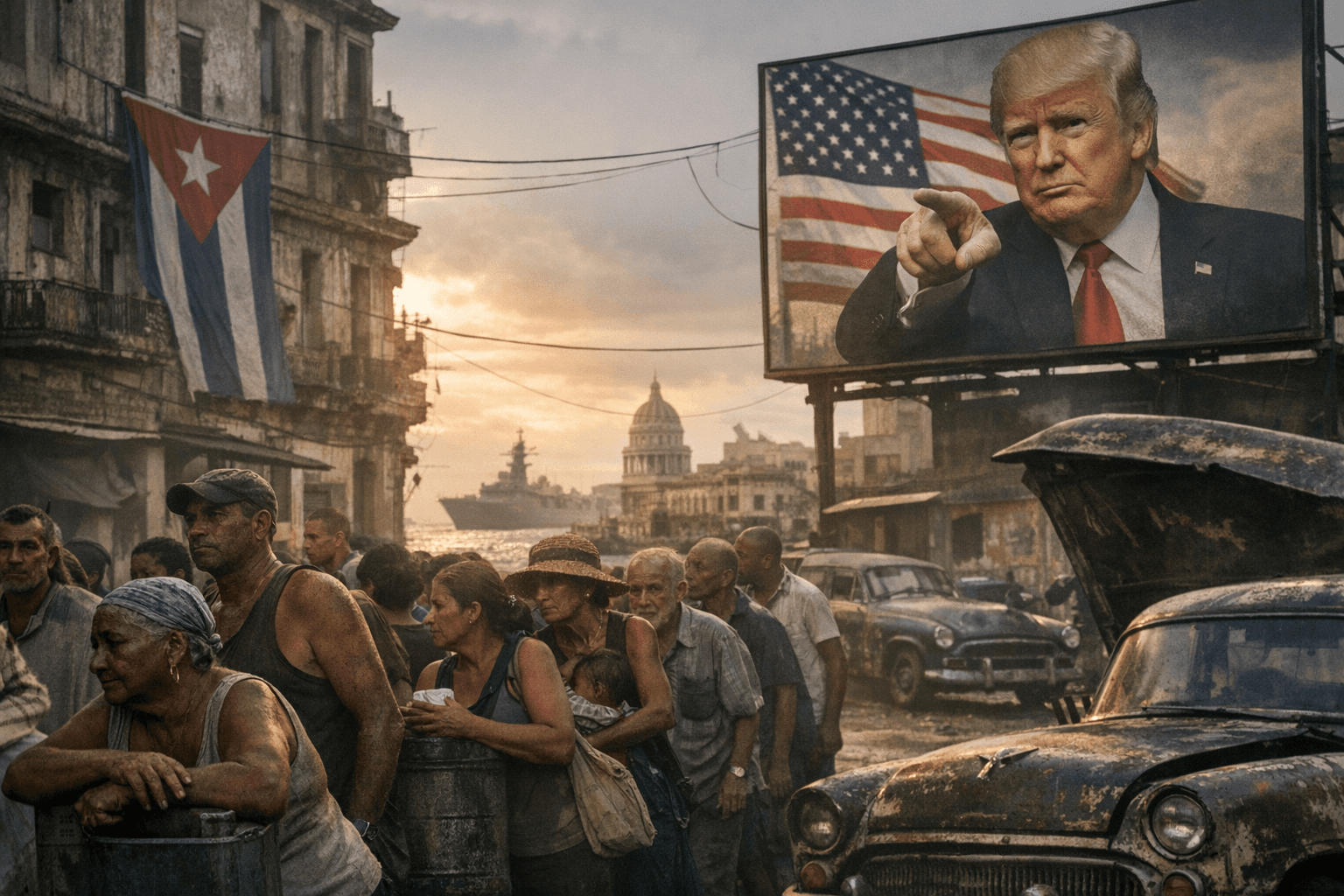
Tensions have also spilled into violence at sea. Cuban officials said a Florida-registered speedboat carrying 10 Cubans from the United States opened fire off Cuba’s north coast; the Cuban government reported four armed Cubans were killed, six were injured, and a Cuban official was also injured in the response. Multiple outlets described the incident as murky and have not independently verified all elements of the Cuban account.
Online reaction has been swift and sometimes speculative. The president did not elaborate on what he meant by "friendly takeover" and sources note the phrase has provoked viral discussion on X, including claims attributed in aggregation to Laura Loomer that the United States would assume economic management of Cuba within 30 days. With the administration publicly seeking to leverage Cuba’s fuel crisis to force change, and Trump saying earlier this year that military action "might not be necessary" because the economy could collapse without Venezuelan oil, the next steps in U.S.-Cuba policy remain unclear but are already shaping diplomacy, humanitarian warnings, and security on and off the island.
Know something we missed? Have a correction or additional information?
Submit a Tip