Trump says U.S., Iran getting closer to war-ending agreement
Trump said U.S. and Iranian negotiators were “getting a lot closer” as talks turned on Hormuz access, frozen assets and a ceasefire extension.
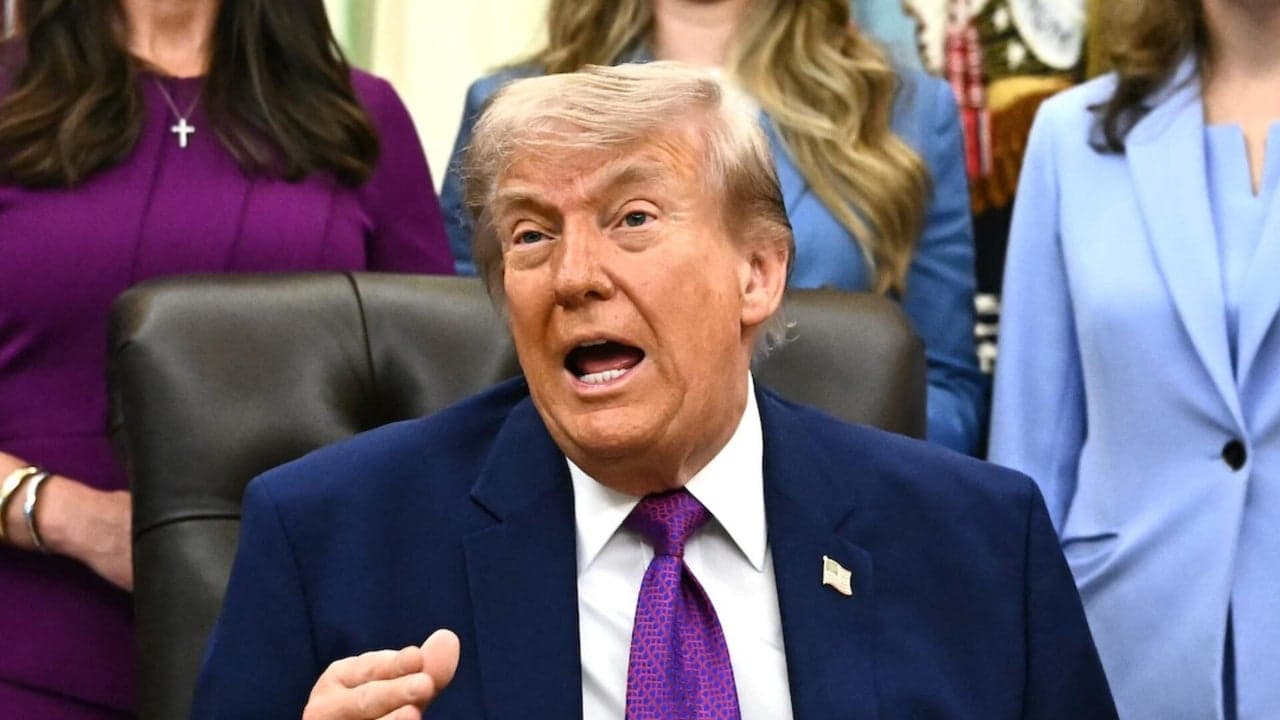
Donald Trump said the United States and Iran were moving toward an agreement that could wind back a war that began with U.S. and Israeli strikes on Iran on Feb. 28, but the emerging deal still rested on vague language and unresolved tradeoffs.
Trump told CBS News on May 23 that negotiators were “getting a lot closer” to a deal. The latest proposal under discussion reportedly would reopen the Strait of Hormuz, unfreeze some Iranian assets held in foreign banks and keep negotiations going, a sign that both sides were now working around a broader ceasefire framework rather than a final nuclear accord.
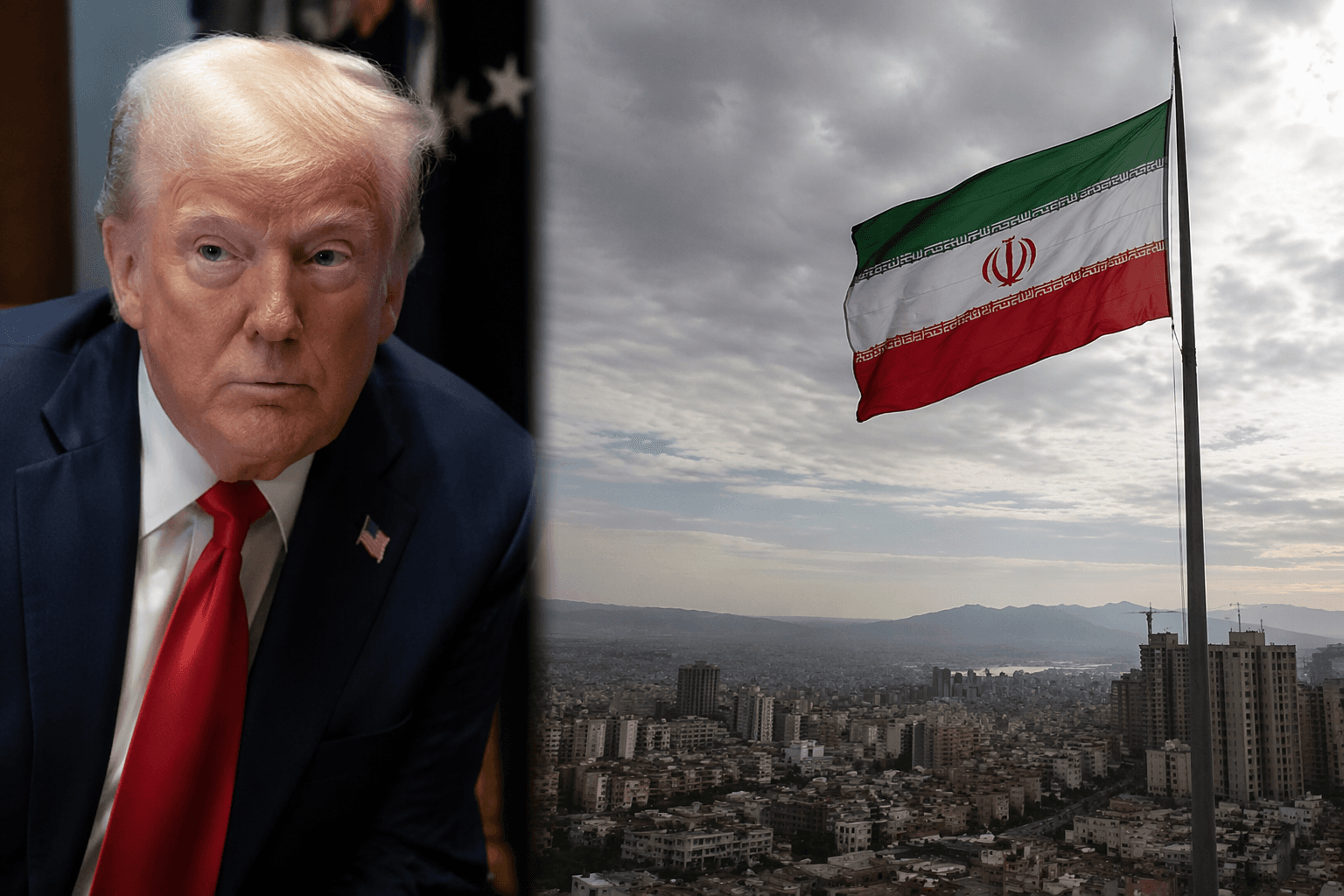
The White House’s immediate challenge was not whether talks were alive, but what “closer” meant in practice. One account said the remaining gaps were mostly about wording, while another said mediators were nearing a 60-day ceasefire extension paired with a framework for nuclear talks. That leaves unanswered how much sanctions relief Iran would receive, what nuclear constraints Tehran would accept and how any agreement would be enforced if the fighting resumed.
Trump met with Gulf and other regional leaders on May 23 to review Iran’s latest proposal, underscoring how much the outcome depends on neighboring states that rely on Gulf shipping and fear spillover from the conflict. Pakistan has also emerged as a key intermediary. Reuters reported on May 18 that Islamabad had shared a revised Iranian proposal with Washington, and Tehran was still reviewing the latest U.S. responses on May 21 as Pakistan stepped up mediation.

The central commercial issue is the Strait of Hormuz, the narrow waterway through which a large share of the world’s seaborne oil passes. Reuters previously reported that an earlier Iranian proposal rejected by Trump would have reopened shipping there and ended the U.S. blockade of Iran before nuclear talks, showing how the current draft has shifted but not yet settled the core dispute over access, leverage and timing.
Secretary of State Marco Rubio has warned that any Iranian attempt to impose a Hormuz “tolling system” would be unacceptable and illegal, signaling that Washington still sees maritime control as a red line. That caution fits the broader pattern of the talks: each side is probing for relief without surrendering strategic leverage, and each new round has brought the outlines of a deal closer without yet producing the firm commitments needed to end the war.
This article was produced by Prism’s automated news system from verified source data, official records, and press releases, then run through automated quality and moderation checks before publishing. The system is built and supervised by the people who set the standards it runs under. Read our full AI policy.
Did this article answer your question?