Trump says U.S. is processing oil from seized Venezuela‑linked tankers in Houston refineries
Trump told the New York Post that U.S. forces seized Venezuela-linked tankers and that the cargo is being refined in American plants, including around Houston.
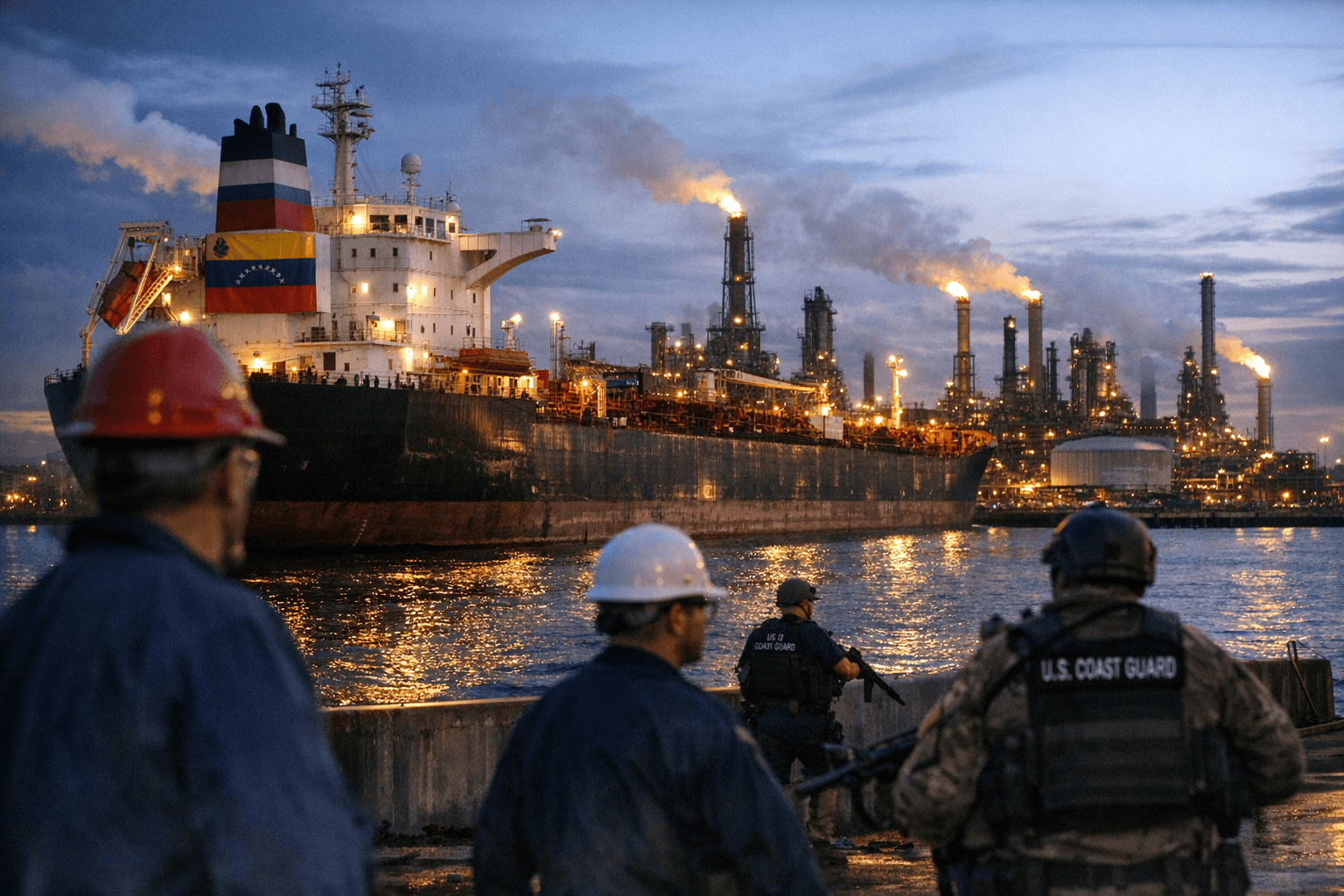
President Donald Trump told the New York Post that U.S. forces had seized tankers linked to Venezuela and that oil cargoes from those vessels were being processed in U.S. refineries, including facilities around Houston. His comment, published Jan. 24, 2026, is the first public assertion by the former president tying maritime seizures to domestic refining operations.
The claim carries immediate legal and economic implications. Seized vessels and cargo typically enter federal forfeiture or admiralty proceedings, where ownership is litigated and courts decide whether property may be sold or otherwise disposed of. That process can be complex when the claimant is a sovereign government or state-owned company, as Venezuela’s national oil company PDVSA has been in past litigation over tankers and cargoes. The public record, as of Jan. 25, does not include filings or official agency statements detailing volumes transferred or the legal basis for onshore processing.
Economically, diverting seized crude into American refineries would alter crude flows in an already tight global market. U.S. Gulf Coast refineries, including those clustered around the Houston ship channel, form the country’s principal refining hub and run a mix of domestic and imported grades. Additional cargoes could ease feedstock constraints for some plants, potentially softening refining margins for heavy and sour crude and alleviating localized crude shortages. Over time, if such seizures were to become a recurrent source of supply, they could influence trading patterns for Atlantic Basin crude and freight, and complicate contractual relationships across the seaborne oil market.
Policy and diplomatic fallout could be significant. The United States has maintained sanctions and export restrictions on Venezuelan oil in various forms for years, a framework that has already reshaped how Venezuelan cargoes move through the spot market. Turning seized cargo into refinery feedstock in the United States raises questions about international legal norms, the mechanics of enforcing sanctions at sea, and the potential for reciprocal measures by other governments. It also presents potential litigation risk for claimants asserting ownership, which could tie up recovered barrels in court for months or years.
Market participants will be watching for concrete details that can be quantified: the number of tankers, the total barrels involved, the timing of transfers into refinery systems, and under what legal authority the transfers occurred. Those figures determine the size of any effect on inventory statistics, benchmark prices such as West Texas Intermediate, and refined-product availability. Without such data, the announcement remains a directional signal rather than a measurable supply shock.
Longer term, the episode underscores growing intersections among naval enforcement, sanctions policy, and energy markets in an era of geopolitical fragmentation. As governments increasingly use maritime interdiction to pursue policy goals, traders, refiners and insurers will need clearer rules of engagement to price risk. For now, markets must weigh an unquantified claim against a backdrop of constrained refining capacity in some regions and persistently tight global crude balances.
This article was produced by Prism’s automated news system from verified source data, official records, and press releases, then run through automated quality and moderation checks before publishing. The system is built and supervised by the people who set the standards it runs under. Read our full AI policy.
Did this article answer your question?