Trump says U.S. must respond after Iran downed Apache helicopter
Trump said the U.S. must respond after Iran shot down an Apache helicopter near the Strait of Hormuz, where the two pilots survived and were rescued by a sea drone.
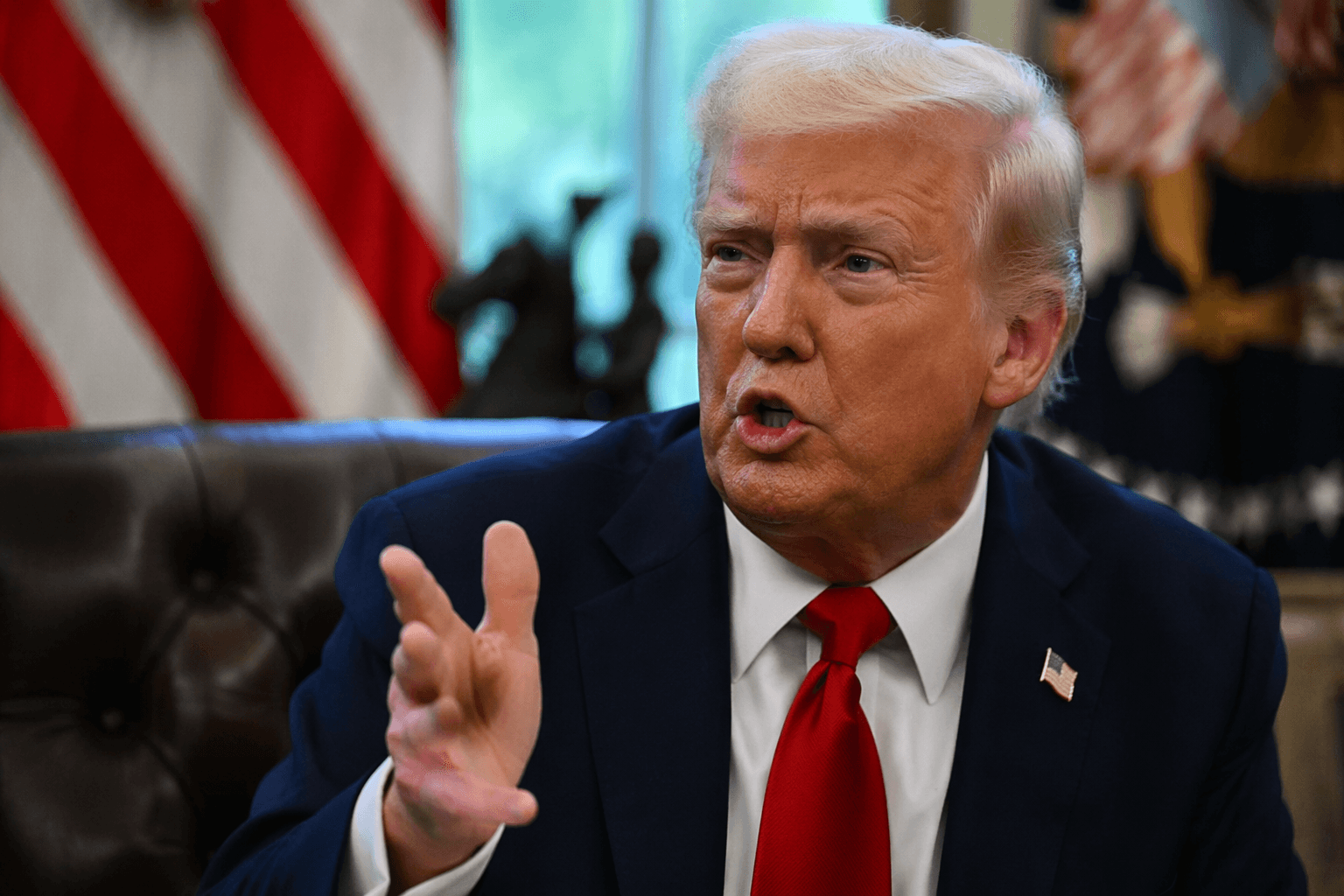
Trump’s vow to respond came after a U.S. Apache attack helicopter went down near the Strait of Hormuz, a narrow waterway that has become the flash point for the latest U.S.-Iran crisis. The two pilots survived, were rescued, and were reported uninjured after the aircraft crashed off the coast of Oman late Monday.
Trump said Iranians shot down the helicopter and that the United States “must, of necessity, respond.” He also said negotiations with Iran were in their “final throes” and suggested a deal could come in “two or three days,” putting a military warning and a diplomatic opening in the same breath.
The rescue itself underscored how quickly the episode could have turned worse. The crew was picked up by a sea drone, and Axios identified the recovery craft as a drone-boat called Corsair, describing the operation as first-of-its-kind. That detail matters because it shows U.S. forces are already experimenting with new unmanned systems in one of the world’s most sensitive maritime corridors.
What remains unsettled is the cause of the loss. In other accounts, the helicopter’s downing in the Strait of Hormuz area had not been definitively pinned on enemy fire, and the possibility of a technical problem or another cause remained open. That gap between Trump’s public certainty and the still-fluid operational picture is now the core issue. If the Pentagon concludes Iran deliberately targeted the aircraft, the administration could face pressure for a calibrated military response, ranging from strikes on Iranian assets to a broader show of force in the Gulf.
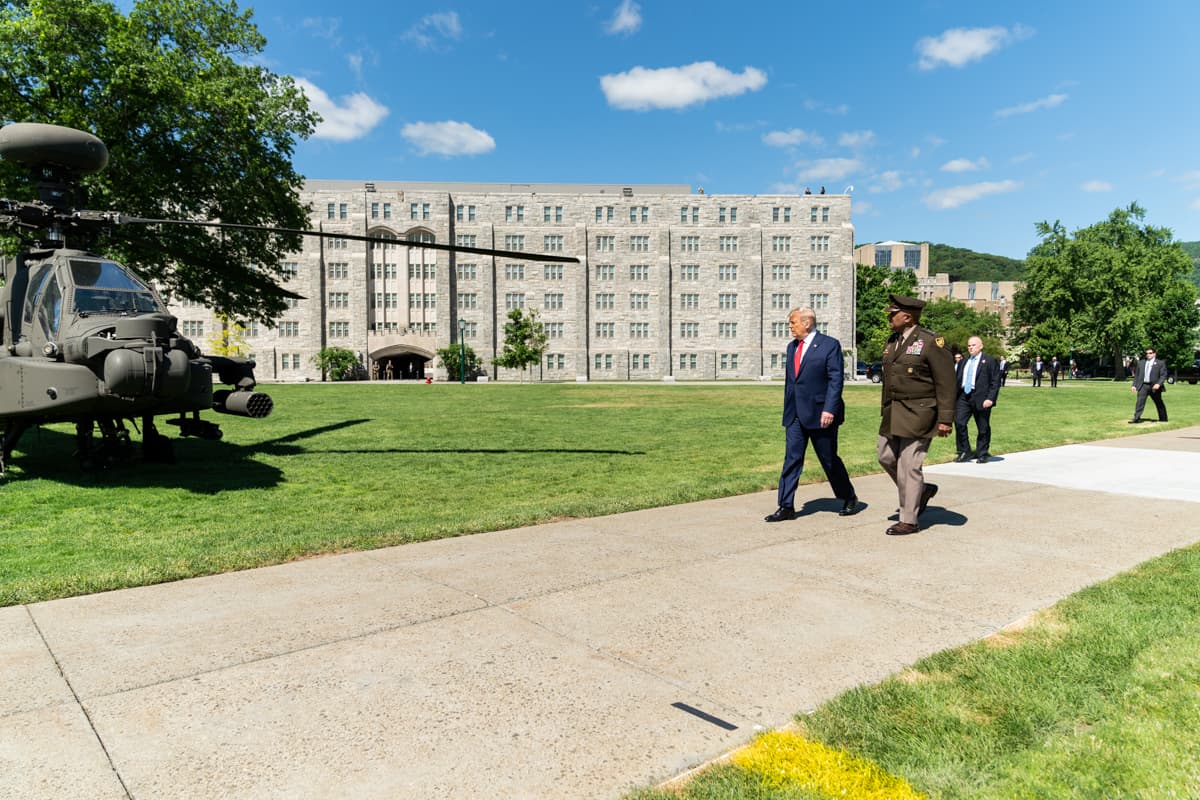
The political stakes are just as high. The incident came amid U.S.-Iran negotiations and one day after Trump brokered a renewed ceasefire between Iran and Israel, making the helicopter loss a potential test of whether diplomacy can survive a direct military clash. A U.S. response would also carry congressional implications, especially if the White House moves beyond a one-off retaliation and toward sustained military action.
For now, the Strait of Hormuz remains the central risk point. Any confirmed attack there would threaten shipping, sharpen regional tensions, and force Washington to choose between deterring Iran, protecting U.S. forces, and keeping a fragile diplomatic track alive.
This article was produced by Prism’s automated news system from verified source data, official records, and press releases, then run through automated quality and moderation checks before publishing. The system is built and supervised by the people who set the standards it runs under. Read our full AI policy.
Know something we missed? Have a correction or additional information?
Submit a Tip