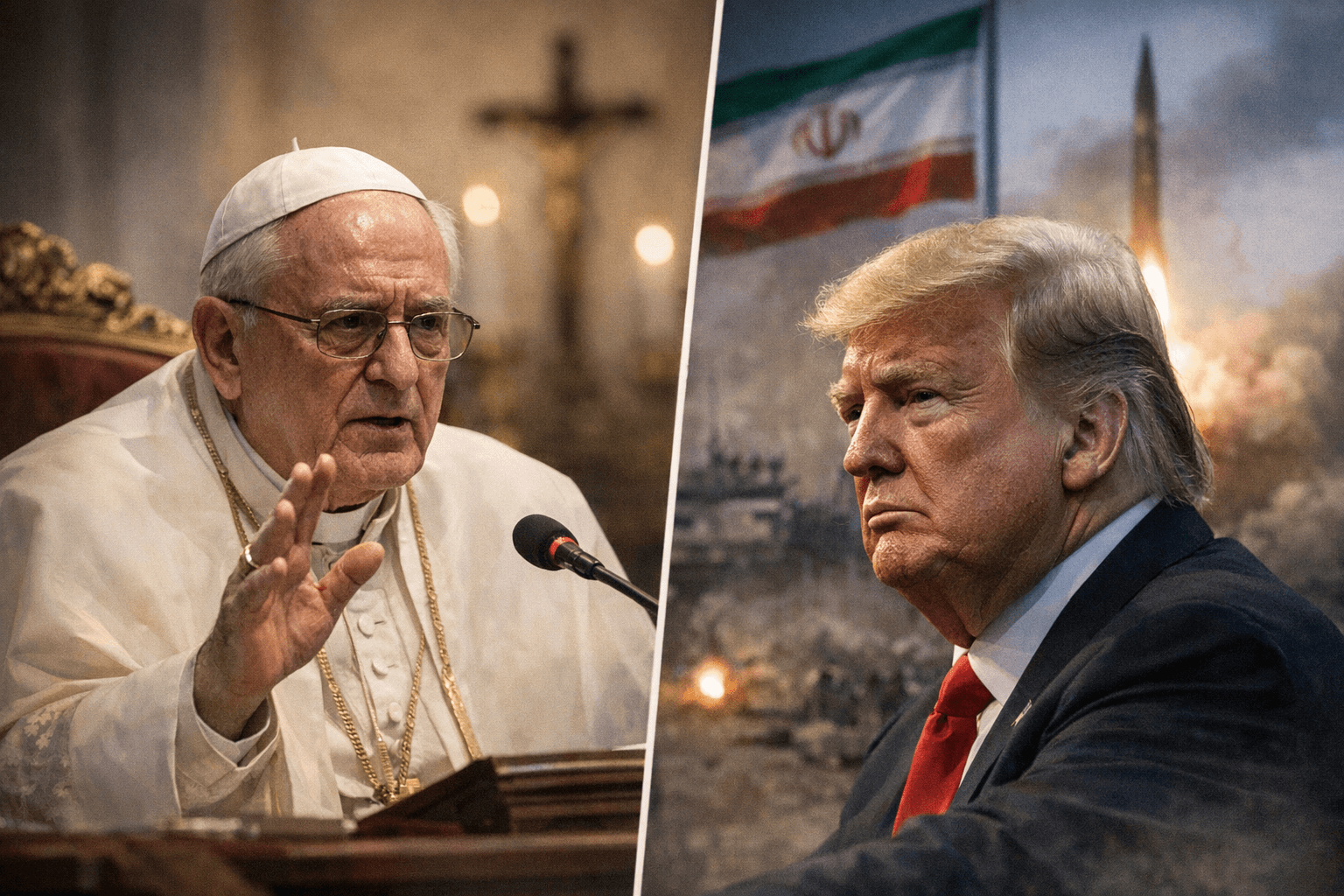
Trump Says U.S. Will Blockade Strait of Hormuz, Raising Global Energy Risks
Trump said the U.S. Navy would start blocking Hormuz, a move that could hit 20 million barrels of oil a day and jolt prices within hours.
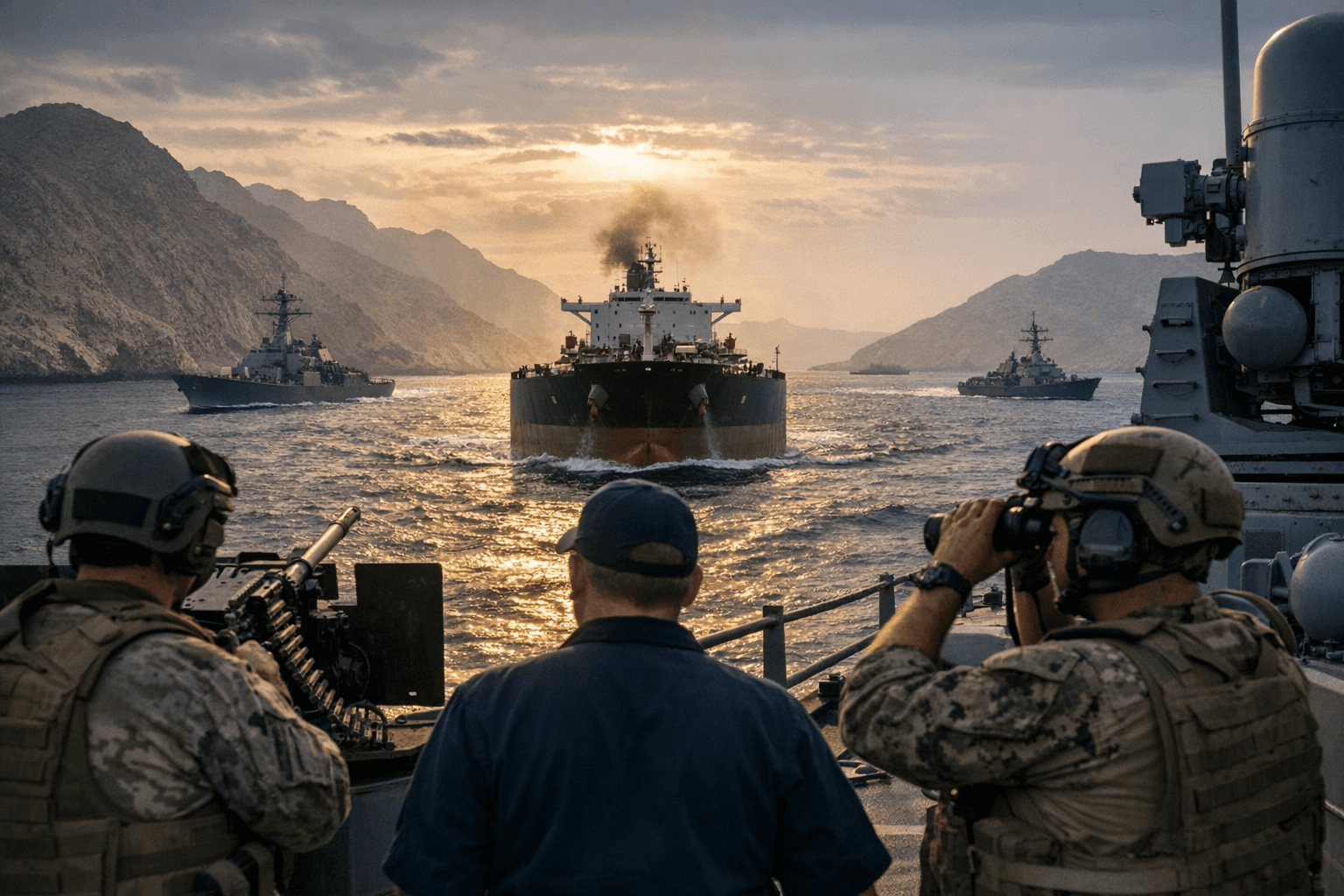
A U.S. blockade of the Strait of Hormuz would hit the world’s most exposed energy artery almost immediately. Trump said the U.S. Navy would begin stopping ships after failed talks with Iran in Pakistan, and major outlets reported the move would start immediately or shortly. The practical effect in the first 24 hours would be less about a literal wall of warships than about delay, diversion and panic in a passage that handled an average of 20 million barrels per day of crude oil and oil products in 2025.
The strait is only 29 nautical miles wide at its narrowest point, with two 2-mile-wide shipping lanes and a 2-mile buffer zone. That tight geography makes any interference high-risk. It is also a major route for liquefied natural gas, especially from Qatar, so the consequences would reach beyond crude markets into gas cargoes, fertilizer supply chains and the fleets that move them.
International law gives the Strait of Hormuz special protection. Under the United Nations Convention on the Law of the Sea, transit passage applies in straits used for international navigation, giving ships and aircraft a right of continuous and expeditious passage. That legal framework is why a blockade, or any tolling system at the choke point, would almost certainly trigger immediate diplomatic and legal challenges from affected states, especially oil importers and shipping nations whose vessels depend on the route.
Market reaction would likely be faster than any court response. The U.S. Energy Information Administration said Brent crude jumped from $69 a barrel on June 12 to $74 on June 13 during a recent regional tension spike, showing how quickly traders price in Hormuz risk. The United Nations Conference on Trade and Development has warned that disruption there raises prices and financial pressure on vulnerable economies, and that the effects can spread quickly through the global economy.
The bigger question is whether ships would actually keep moving. The Strait has never been truly closed, but it has been repeatedly disrupted, and past violence offers a warning. During the 1981 to 1988 Tanker War, hundreds of ships were attacked and more than 100 merchant sailors were killed. Even without sustained interceptions, shipowners and insurers can pull back fast, reroute vessels and charge more for danger money, turning a declared blockade into an effective slowdown before the first boarding.
That is the immediate escalation risk: not just a confrontation between the U.S. Navy and Iranian-aligned forces, but a scramble across global shipping, insurance and energy markets. Qatar LNG cargoes, Persian Gulf crude exports and downstream buyers from Asia to Europe would all feel the shock long before any formal legal challenge made its way through the system.
Know something we missed? Have a correction or additional information?
Submit a Tip