Trump seeks rare Supreme Court rehearing on birthright citizenship ruling
Trump said he will ask the Supreme Court to rehear its birthright-citizenship ruling, a move that faces a 25-day deadline and near-zero odds of success.
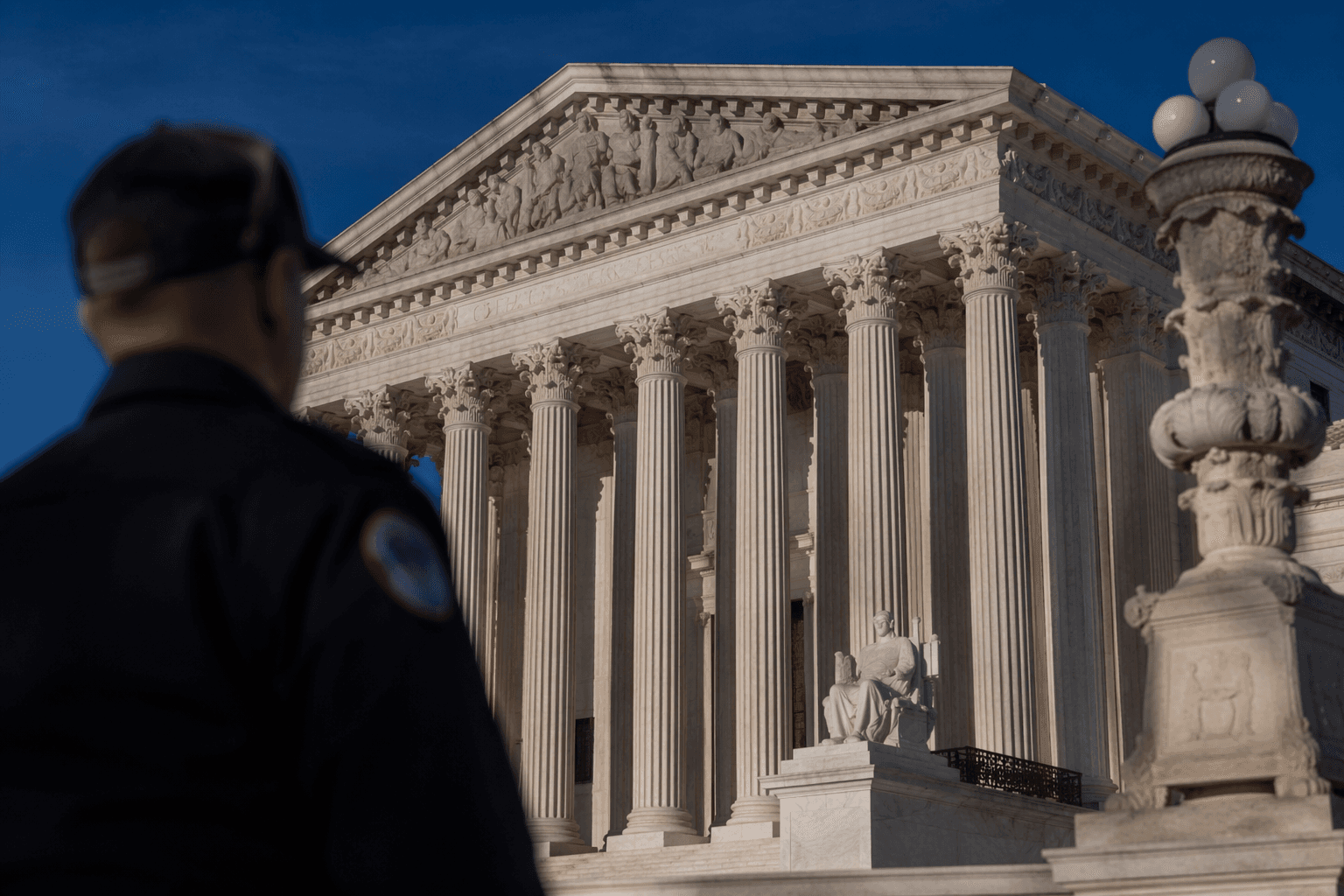
Donald Trump said he will ask the Supreme Court to rehear its June 30 birthright-citizenship ruling in Trump v. Barbara, No. 25-365, after the justices held that children born in the United States to parents unlawfully or temporarily present are citizens at birth under the Fourteenth Amendment. The decision rejected Executive Order No. 14160, signed January 20, 2025, as inconsistent with the Constitution.
The request runs into one of the court’s narrowest procedural lanes. Supreme Court Rule 44.1 requires any petition for rehearing of a judgment or decision on the merits to be filed within 25 days after entry of the ruling, unless the court or a justice shortens or extends the deadline. Because the case was decided June 30, Trump’s window is measured in days, not weeks.
Rehearings at the Supreme Court are extraordinarily uncommon. The last time the justices granted rehearing after a merits decision was in 1965, in United States v. Maryland for the Use of Meyer, 382 U.S. 158, and the court has reversed itself only once after rehearing a case. Trump said on July 8 that he would pursue rehearing and described the ruling on Truth Social as a “miscarriage of justice,” saying he would seek rehearing “IMMEDIATELY.”
The legal fight reaches back to the text of the Fourteenth Amendment, which says: “All persons born or naturalized in the United States, and subject to the jurisdiction thereof, are citizens.” Congress passed the amendment on June 13, 1866, and ratified it on July 9, 1868, as part of Reconstruction. The court’s modern birthright-citizenship precedent traces to United States v. Wong Kim Ark, the 1898 case involving a man born in San Francisco in 1873 to Chinese immigrants.
The ruling prompted swift responses from both sides of the immigration fight. New York Attorney General Letitia James said she and 23 other attorneys general had urged the court to reject what she called an unprecedented attack on birthright citizenship. For Trump, the rehearing bid is a direct challenge to a finalized merits ruling, but the court’s record makes clear how rarely such petitions alter the outcome.
This article was produced by Prism’s automated news system from verified source data, official records, and press releases, then run through automated quality and moderation checks before publishing. The system is built and supervised by the people who set the standards it runs under. Read our full AI policy.
Did this article answer your question?