Trump shifts immigration crackdown from illegal to legal migrants
Trump’s crackdown has moved beyond border arrests, narrowing legal pathways, refugee access and entry for foreign nationals.

Donald Trump’s immigration campaign has shifted from people already in the country without authorization to the legal pathways that let others enter, work, study, or resettle here. That pivot has put families, universities, employers, and refugee applicants in the crosshairs, while inviting a fresh wave of court fights over how far presidential power can reach.
Trump opened the second term on Jan. 20, 2025, with the executive order “Protecting the American People Against Invasion.” In the weeks that followed, the administration ended use of the CBP One app, which had allowed nearly 1 million people to enter the United States legally with work eligibility. A federal judge in Seattle blocked Trump’s effort to halt the refugee admissions system, and another federal judge temporarily blocked the order ending birthright citizenship. As courts sorted through those challenges, the administration also began mass deportations and arrested, then tried to deport, students who participated in anti-Israel demonstrations.
The White House kept widening the pressure points. On June 4, 2025, Trump issued a proclamation restricting entry of foreign nationals from countries he said had screening and vetting deficiencies. In December 2025, the White House said Trump further restricted and limited entry, leaning on section 212(f) of the Immigration and Nationality Act and the Supreme Court’s decision in Trump v. Hawaii to defend presidential authority over admissions. Those moves reached well beyond the southern border and into the visa and entry system that underpins legal immigration.
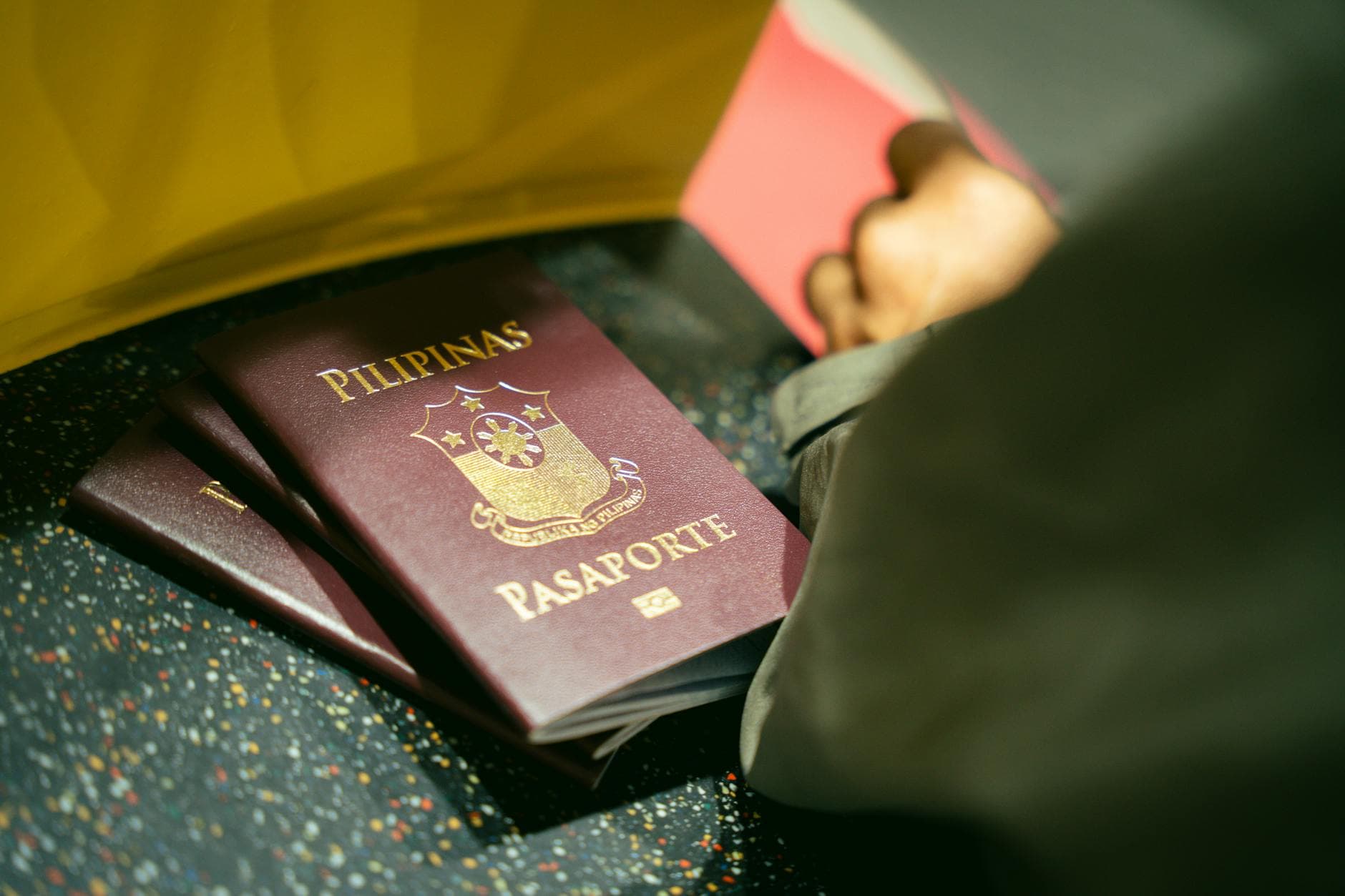
The legal and political stakes are larger than any one program. Immigration actions in Trump’s second term have already generated hundreds of lawsuits, including challenges over asylum restrictions, returns of asylum seekers to Mexico, and limits on bond for detained asylum seekers. The administration’s bet is that a harder line on migration will still satisfy voters who backed Trump in 2024 partly because of his immigration stance. But targeting legal pathways risks backlash from the institutions that depend on them most: universities that enroll foreign students, employers that rely on overseas labor, and refugee groups that say the United States is retreating from long-standing commitments.
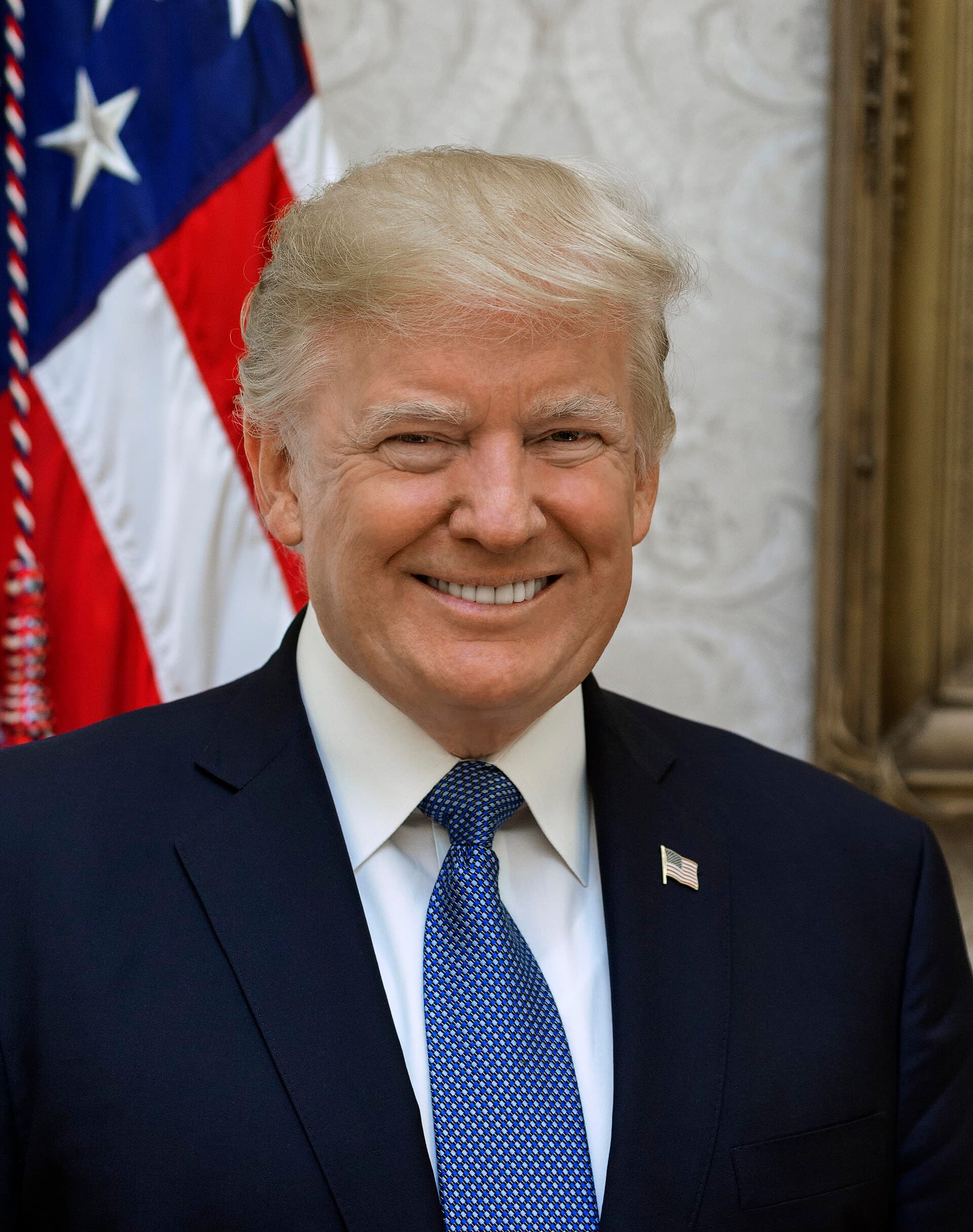
The fight also echoes earlier Republican divisions over immigration and executive power, including the 2016 battle over Barack Obama’s immigration actions. This time, the policy shift is not just about who crosses the border illegally. It is about who gets to come in legally, and how much control one president can claim over that gate.
This article was produced by Prism’s automated news system from verified source data, official records, and press releases, then run through automated quality and moderation checks before publishing. The system is built and supervised by the people who set the standards it runs under. Read our full AI policy.
Did this article answer your question?

