Trump Signs 10-Day Extension of Warrantless Surveillance Law
Trump signed a 10-day reprieve for Section 702, pushing the surveillance fight to April 30 as Congress again dodged a long-term decision.
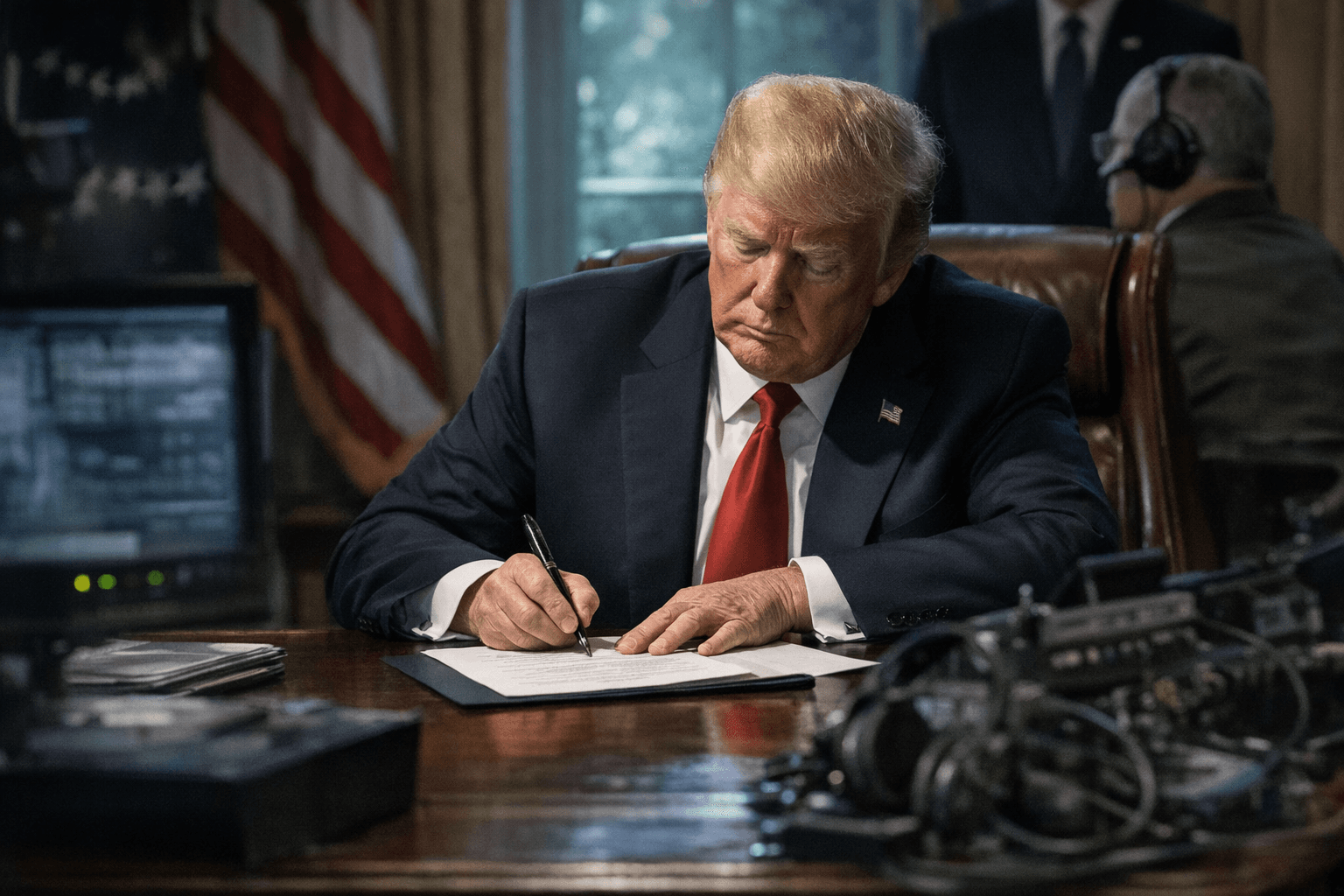
The federal government kept its most contested foreign intelligence surveillance authority alive for just 10 more days, preserving a tool critics call warrantless surveillance and leaving Congress to settle the privacy fight before April 30. President Donald Trump signed the stopgap on Saturday, April 18, after lawmakers chose to postpone the larger question of how far Section 702 of the Foreign Intelligence Surveillance Act should reach.
Section 702, first enacted in 2008, lets the government collect communications of non-U.S. persons located outside the United States without a warrant. Because those targets often communicate with Americans, U.S. persons’ messages can be incidentally swept up, which is the core of the dispute now hanging over Washington. National security officials say the authority is vital for disrupting terrorists, spies, proliferators, drug traffickers and cyber threats. Privacy advocates and reform-minded lawmakers say the lack of a warrant requirement for U.S.-person queries leaves Americans exposed to improper surveillance.
Congress had been racing against a Monday, April 20 expiration date when the House moved in the early hours of Friday, April 17, to pass a 10-day extension. The Senate approved the measure by voice vote later that morning, and the short-term fix pushed the deadline to April 30. The result was less a resolution than a reset, giving lawmakers another brief window to negotiate a broader rewrite without letting the program lapse.
The standoff exposed a familiar split. The Trump administration had pressed Republicans to accept an 18-month reauthorization without reforms. House Speaker Mike Johnson and Senate Majority Leader John Thune tried to keep the program alive while talks continued, but a late-night push for a five-year version with modest warrant changes failed after Republicans blocked it. An 18-month clean renewal also fell in the House before the stopgap advanced.
The political fight now returns to the same unresolved issue that has shadowed Section 702 for years: how to preserve an intelligence tool agencies say helps protect the country while tightening rules around Americans’ communications. The 2024 Reforming Intelligence and Securing America Act reauthorized Section 702 for two years and added new compliance measures, and the Privacy and Civil Liberties Oversight Board said in a 2026 report that those reforms have had positive privacy and civil liberties effects. Even so, the board said the program remains highly valuable to intelligence agencies.
Congress has bought itself time, not consensus. With no clear path yet to a long-term reauthorization, the next deadline on April 30 will test whether lawmakers can agree on real reforms or once again settle for another temporary extension.
This article was produced by Prism’s automated news system from verified source data, official records, and press releases, then run through automated quality and moderation checks before publishing. The system is built and supervised by the people who set the standards it runs under. Read our full AI policy.
Did this article answer your question?