Trump signs counter-terrorism strategy targeting cartels, hemispheric threats
Trump’s new counterterrorism plan shifts U.S. attention toward cartels and Western Hemisphere threats, raising the question of whether doctrine is changing.
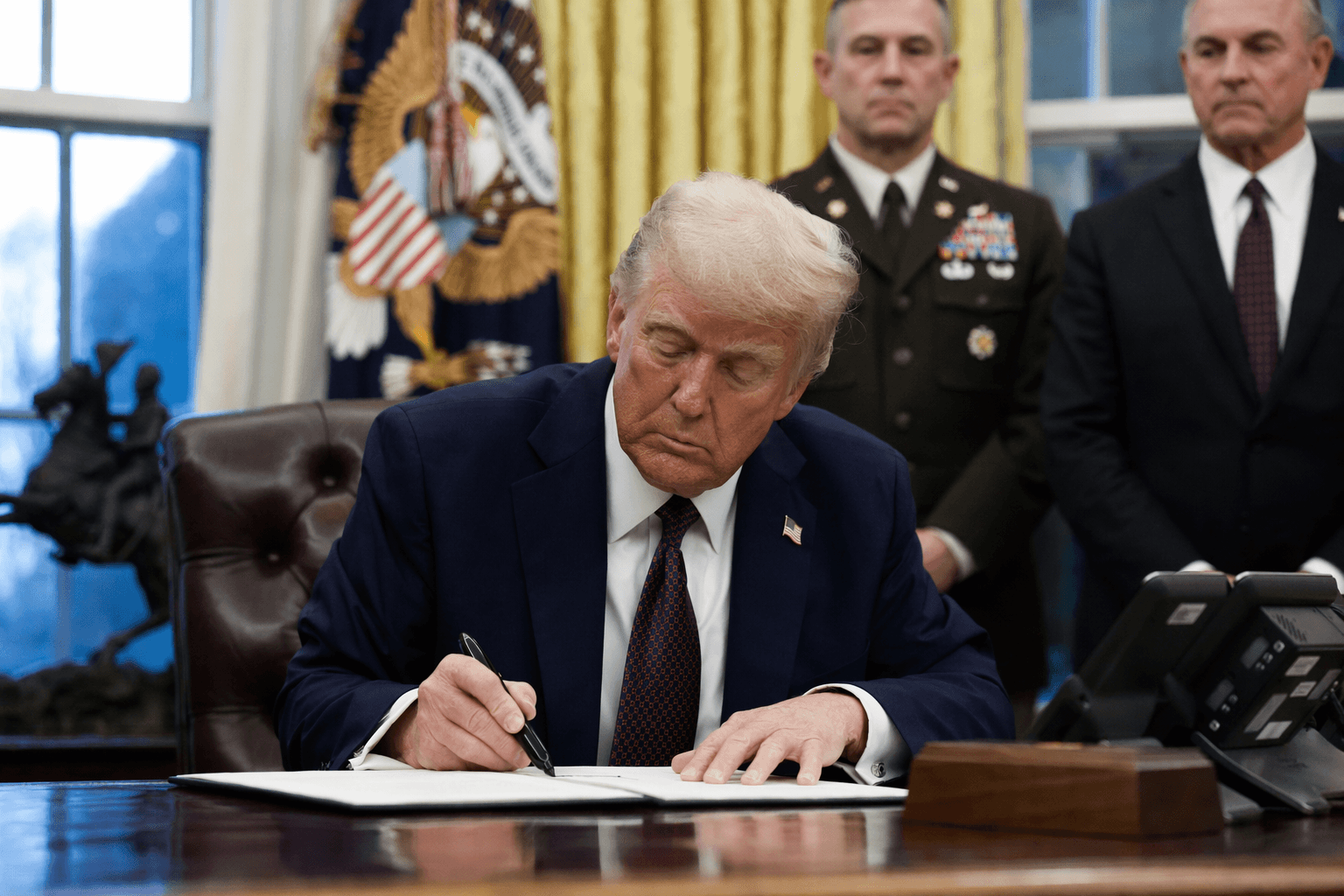
Trump signed a new national counter-terrorism strategy that puts cartels and hemispheric threats at the center of U.S. security planning, a sharper turn toward the Western Hemisphere than past counterterrorism doctrines.
White House counter-terrorism director Sebastian Gorka said the document was signed on Tuesday and presented it as a policy built on the idea that America is the homeland and must be protected. The strategy, released by the White House on May 6, said the administration had put an “unprecedented focus” on dismantling threats to the American homeland in the Western Hemisphere. It also said the government would no longer permit cartels and gangs to freely operate in the region or smuggle drugs, guns, or trafficked women and children into the United States.
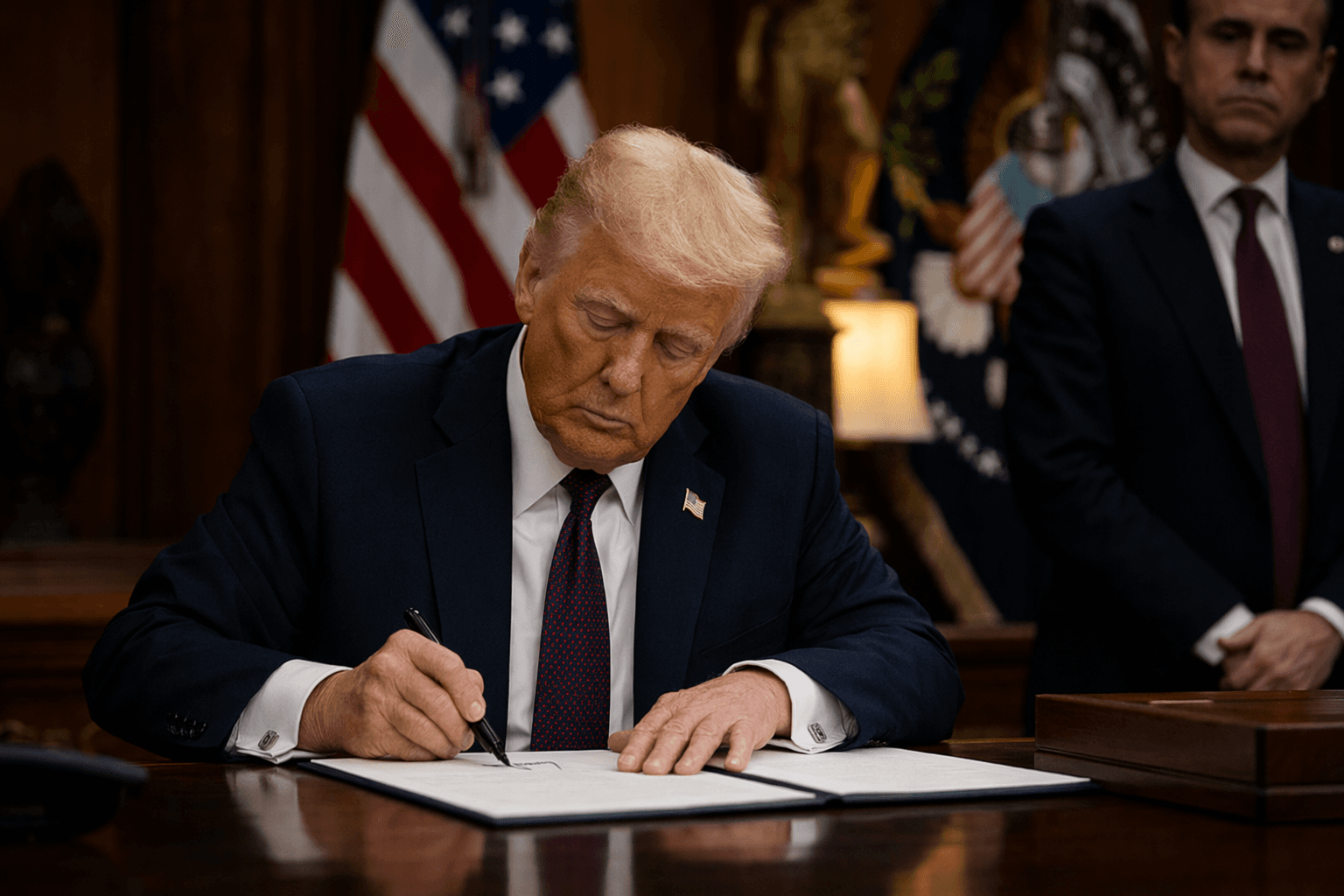
The language matters because it broadens counterterrorism beyond overseas jihadist networks and toward criminal organizations operating across Latin America and the Caribbean. The strategy said Trump had already designated the cartels as terrorist organizations last year, and it fit into a sequence of earlier actions that have increasingly described cartel violence as a national security threat rather than only a law-enforcement problem.
In March 2026, the White House issued a presidential action saying criminal cartels and foreign terrorist organizations in the Western Hemisphere should be demolished to the fullest extent possible consistent with applicable law. In January, the administration signaled the same shift when Marco Rubio, in a White House release, said, “This Is Our Hemisphere,” while discussing a U.S. operation that apprehended indicted narcoterrorist and former Venezuelan dictator Nicolás Maduro.
The administration has also used military and diplomatic channels to reinforce the message. White House remarks in March referred to a Miami meeting in which Pete Hegseth convened military and security leaders from the Western Hemisphere to coordinate efforts against cartels. The 2025 National Security Strategy had already said the United States should readjust its global military presence to address urgent threats in its hemisphere, suggesting the new counterterrorism strategy is building on a broader policy realignment already underway.
What remains unclear is how far the shift will go in practice. The document does not lay out a full operational blueprint, but it points to likely changes in intelligence priorities, military coordination, and law-enforcement cooperation with regional partners. It also raises a larger question for U.S. national security doctrine: whether cartel warfare and hemispheric instability are now being treated as core counterterrorism missions, or whether the administration is simply giving border enforcement a more expansive label.
This article was produced by Prism’s automated news system from verified source data, official records, and press releases, then run through automated quality and moderation checks before publishing. The system is built and supervised by the people who set the standards it runs under. Read our full AI policy.
Did this article answer your question?

