Trump Supreme Court bid seeks broad power to end deportation protections
Trump’s TPS case could decide whether presidents can end deportation shields for hundreds of thousands with little or no judicial review.
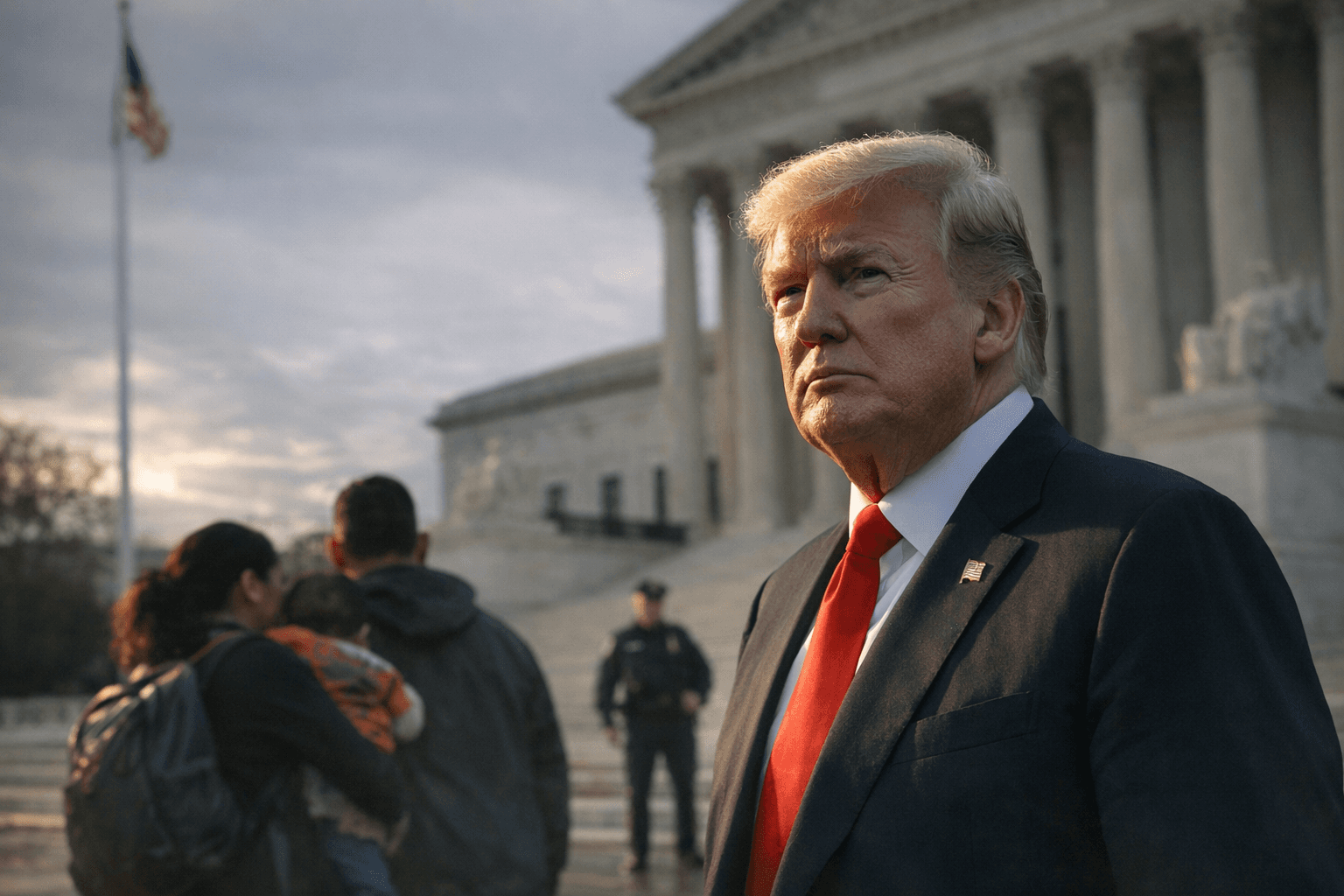
Donald Trump’s Supreme Court fight over deportation protections is about far more than Haiti and Syria. At stake is whether a president can strip temporary legal status from large groups of immigrants while effectively insulating that decision from judicial review, a test that could reshape the balance between executive power and the courts.
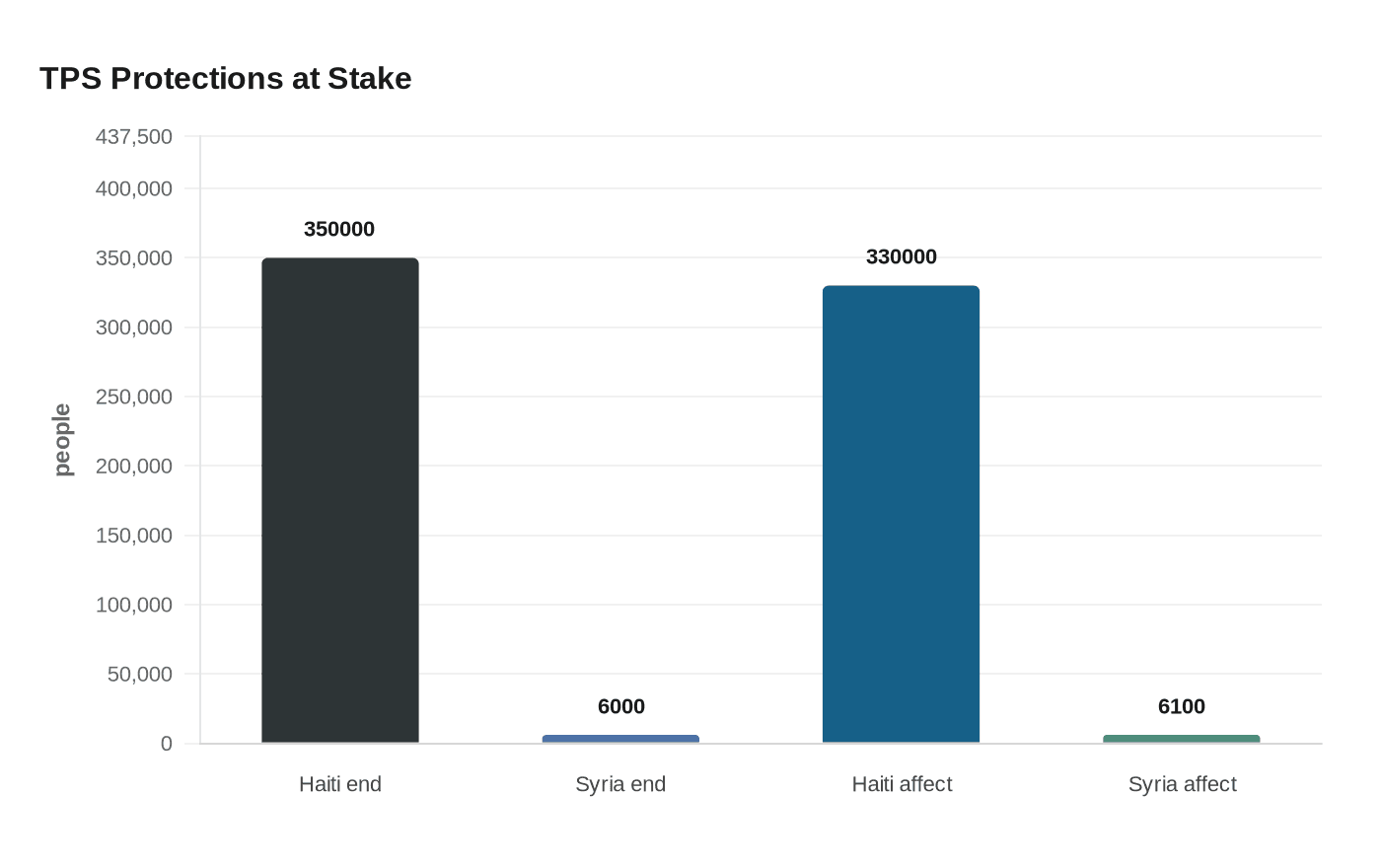
The administration is asking the justices to let it end Temporary Protected Status for more than 350,000 Haitians and about 6,000 Syrians, even though federal judges in New York and Washington, D.C., blocked efforts to remove those protections. TPS was created by Congress in the Immigration Act of 1990 and gives eligible nationals of designated countries protection from deportation and work authorization when conditions such as armed conflict, disaster or other extraordinary dangers make return unsafe.
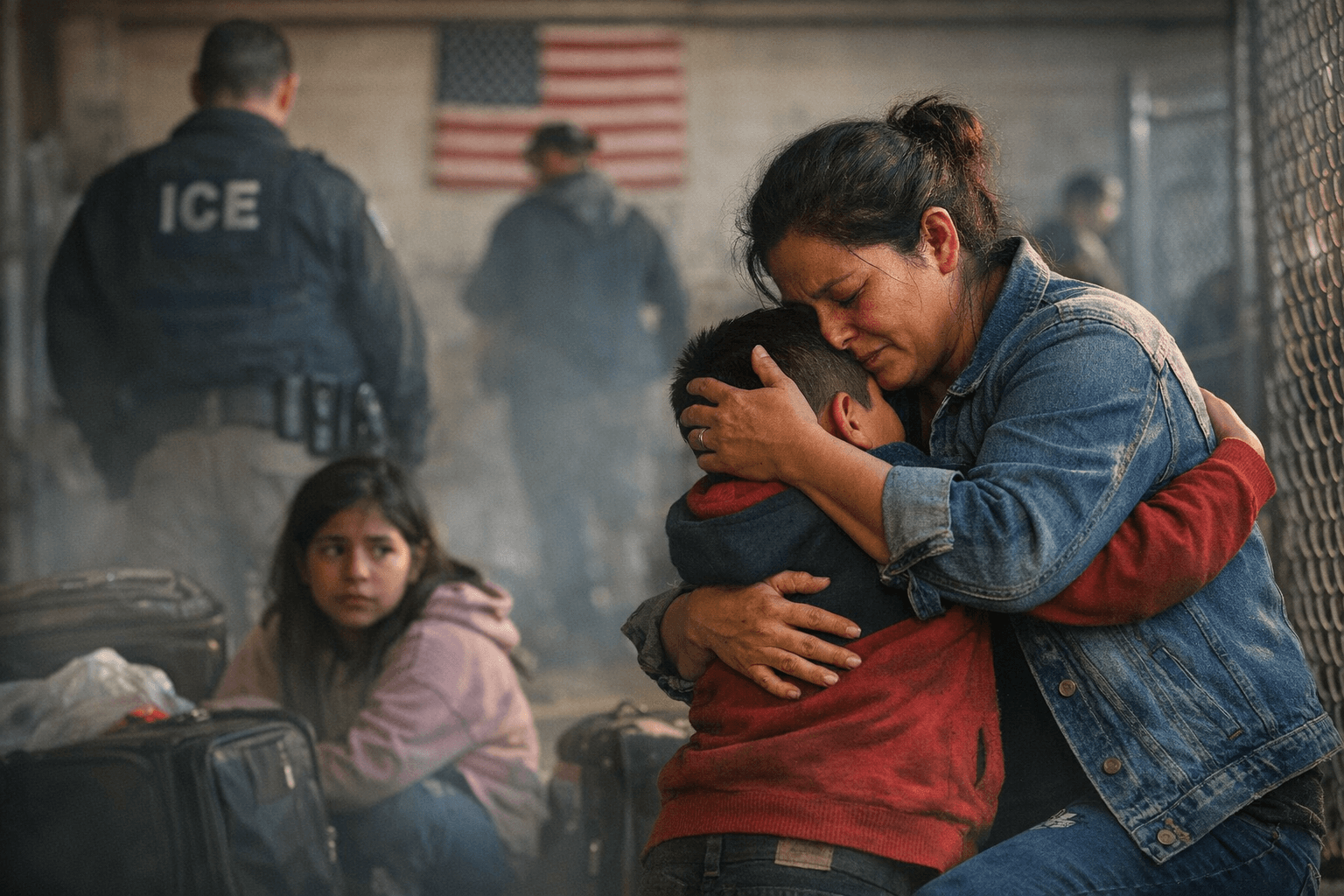
The dispute began after Homeland Security Secretary Kristi Noem moved in 2025 to terminate Haiti TPS and Syria TPS after consulting with interagency partners and concluding the countries no longer met the legal standard. The Department of Homeland Security first said Haiti’s termination would take effect Sept. 2, 2025. U.S. Citizenship and Immigration Services later said Haiti’s TPS designation and related benefits were slated to end Feb. 3, 2026, but a federal judge in Washington, D.C., stayed that termination on Feb. 2, 2026. DHS also terminated Syria TPS in 2025.
Lower courts ruled against the administration in both cases on the ground that officials failed to follow required statutory and procedural steps, including assessing country conditions before revoking the protections. The administration’s position before the Supreme Court goes further, arguing that judges should have no role in reviewing the decision at all. That theory has drawn sharp pushback from immigrant advocates and former judges, who say it would make TPS decisions effectively unreviewable and weaken the courts’ ability to check arbitrary government action.
The practical stakes are immediate for families who have built lives in the United States under temporary protection. Advocacy groups estimate the ruling could affect about 330,000 Haitian TPS holders and about 6,100 Syrian TPS holders. The political pressure is also visible in Congress: an April 2026 amicus filing said a House discharge petition tied to Haitian TPS had reached 218 signatures by March 28, including four Republican lawmakers, to force consideration of legislation extending the protection.
The Supreme Court agreed in April 2026 to hear the Haiti and Syria cases on an expedited basis, before the appeals process was finished. Oral arguments were scheduled for late April 2026, with a decision expected later in the summer. However the court rules, the result could reach well beyond deportation policy, setting a precedent future presidents may cite when seeking to cancel humanitarian protections with minimal court oversight.
This article was produced by Prism’s automated news system from verified source data, official records, and press releases, then run through automated quality and moderation checks before publishing. The system is built and supervised by the people who set the standards it runs under. Read our full AI policy.
Did this article answer your question?

