Trump to address declassified election intelligence and voting machine claims
Trump planned a Thursday night address on declassified election intelligence, reviving machine-fraud claims already rejected by federal and state officials.
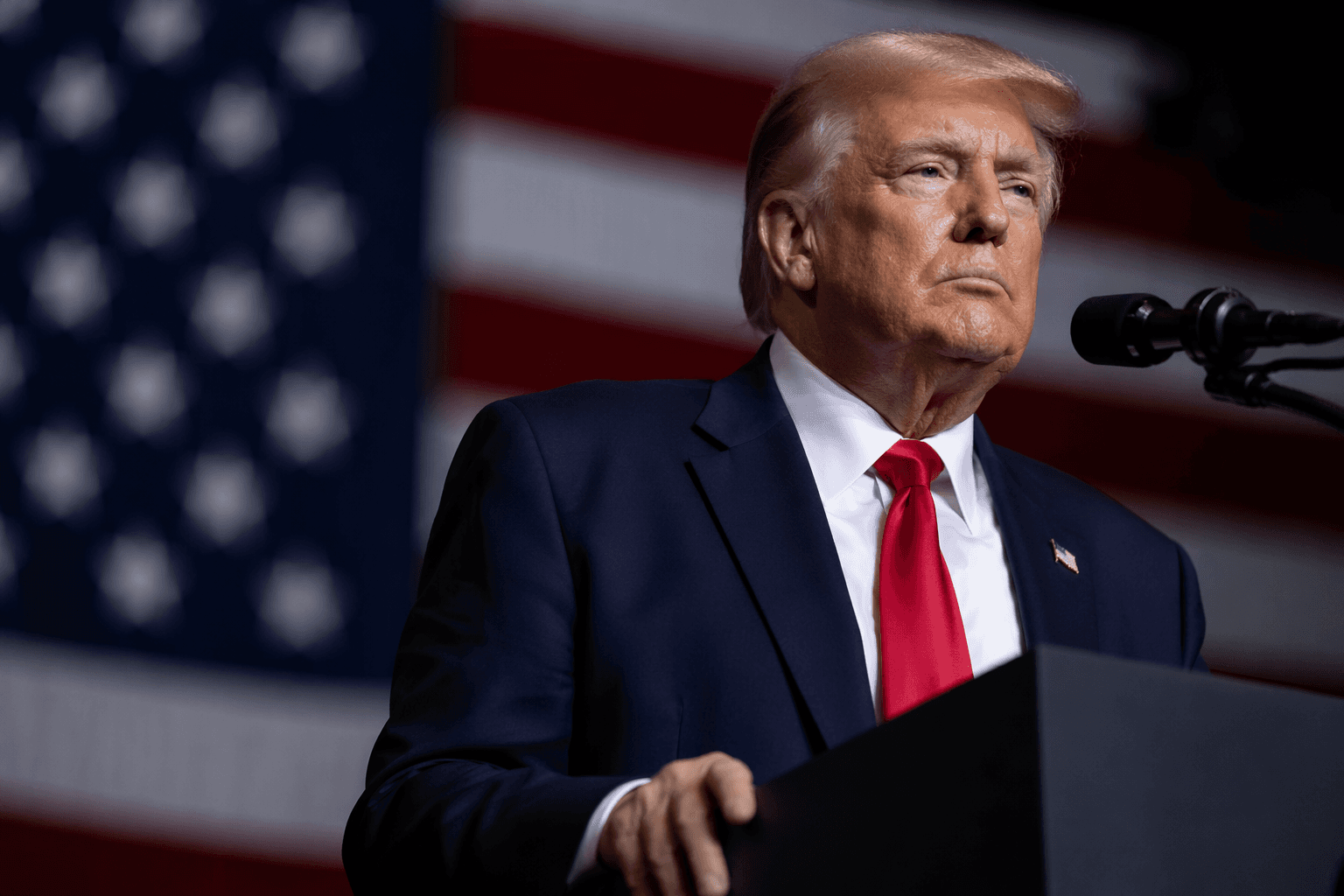
President Donald Trump was scheduled to use a Thursday night national address to discuss newly declassified intelligence on U.S. election investigations and what the White House says are voting machine vulnerabilities. The 9 p.m. EDT speech, 0100 GMT Friday, came four months before the November midterms and put election administration back at the center of a fight over trust, power and political control.
A White House official said Trump planned to discuss national elections and what officials view as voting machine flaws that could allow foreign cyber intrusion. Trump told reporters the speech would concern voting machines and election integrity, but he gave no details. The new material appears to be the declassified intelligence; the broader allegation that voting machines compromised the 2020 vote is a recycled claim that federal, state and local officials have repeatedly rejected.
The strongest official rebuttal remains the joint statement issued on November 12, 2020, by the Cybersecurity and Infrastructure Security Agency and election partners. It said there was no evidence any voting system deleted, lost or changed votes, and called the election the most secure in American history. The National Association of Secretaries of State has also said all states with close results in the 2020 presidential race kept paper records of each vote, allowing each ballot to be counted again if needed.
The White House has spent more than a year trying to expand federal oversight of election administration and reshape how Americans vote, a push critics say would move authority away from the states. The Constitution leaves most election administration to state governments, while Washington’s role is generally limited to setting rules for federal elections and responding to national security threats. That division is why a broader federal takeover would trigger a legal and political fight well beyond the content of one speech.
In June, the White House delayed release of a government report on voting machine vulnerabilities ahead of the midterms. The report, produced by the Office of the Director of National Intelligence, said voting machines could be better safeguarded through software updates, but it did not say votes had flipped. That distinction matters because the Trump administration is now putting machine security and election integrity into the same frame, even though official findings have not supported the fraud narrative.
The Brennan Center for Justice said in July that foreign influence remains a persistent threat and that China, Iran and Russia are poised to try to influence the 2026 midterms. It also warned that the Trump administration has degraded federal infrastructure for detecting and countering foreign election threats, leaving states to carry more of the burden just as Congress remains narrowly divided and the next national vote approaches.
This article was produced by Prism’s automated news system from verified source data, official records, and press releases, then run through automated quality and moderation checks before publishing. The system is built and supervised by the people who set the standards it runs under. Read our full AI policy.
Did this article answer your question?