Trump to launch retirement savings website for workers without employer plans
Millions without workplace plans would get a federal doorway to IRAs, not automatic enrollment. The real test is whether a website can move money for the 56 million left out.
For the 56 million private-sector workers who get no retirement benefit through their jobs, TrumpIRA.gov would not create a pension or force an employer to start payroll deductions. It would steer independent contractors, self-employed workers and other uncovered employees toward private individual retirement accounts, while linking them to a federal saver’s match worth as much as $1,000 for eligible savers. That makes the order a real access point, but a modest one in practice: it opens a door to existing savings products rather than building a new workplace retirement system from scratch.
The White House said the Treasury Department must build the site by Jan. 1, 2027. The platform will highlight “high-quality, low-cost” IRAs from private financial institutions that meet Treasury’s standards, and it will promote the Saver’s Match created in the SECURE 2.0 law. Under IRS guidance, the match applies to tax years beginning after Dec. 31, 2026, equals 50% of up to $2,000 in qualifying retirement contributions, and can send up to $1,000 directly into a saver’s account. For low-wage workers, the shift from a tax credit to a direct deposit matters because it reaches people who owe little or no income tax.

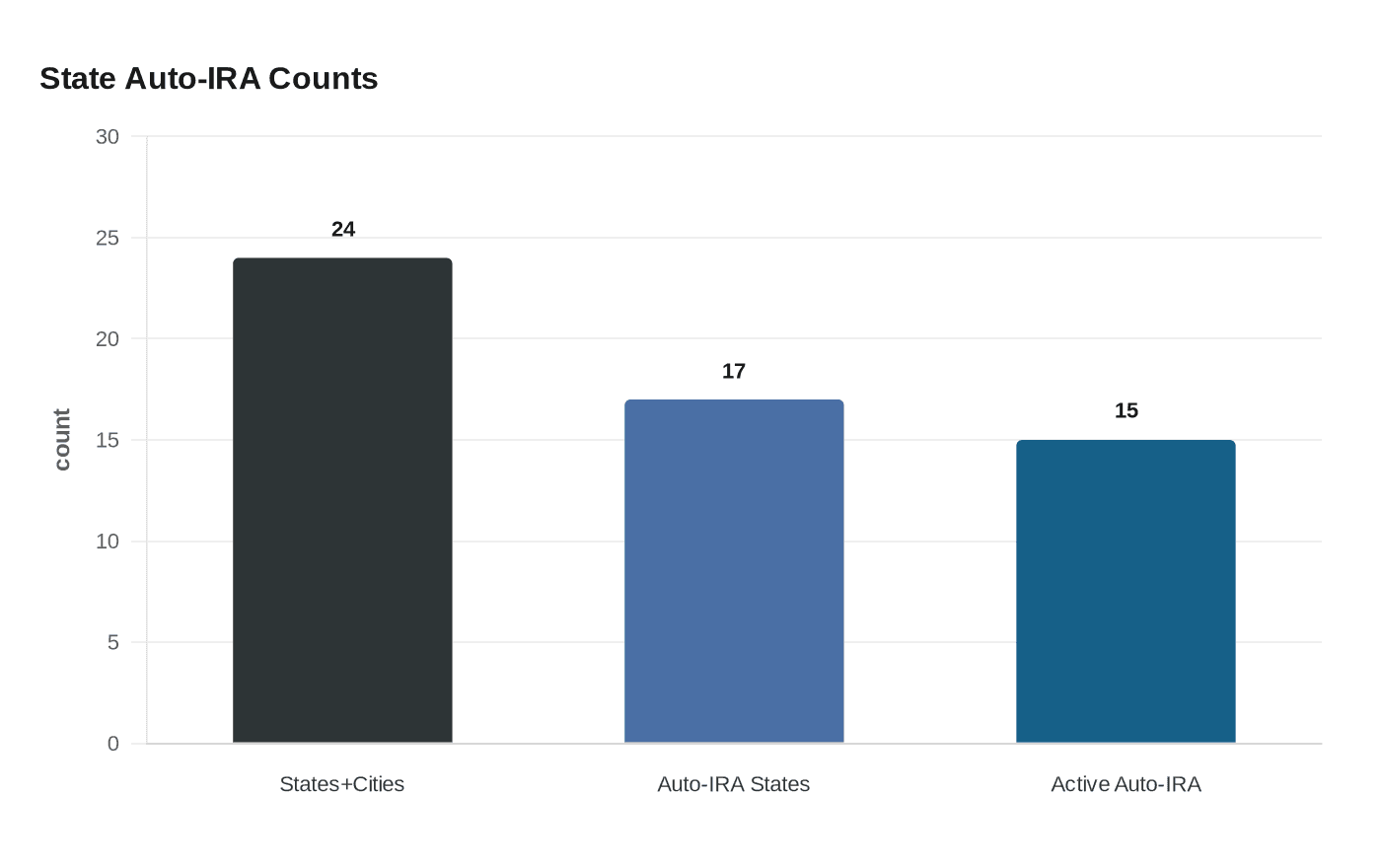
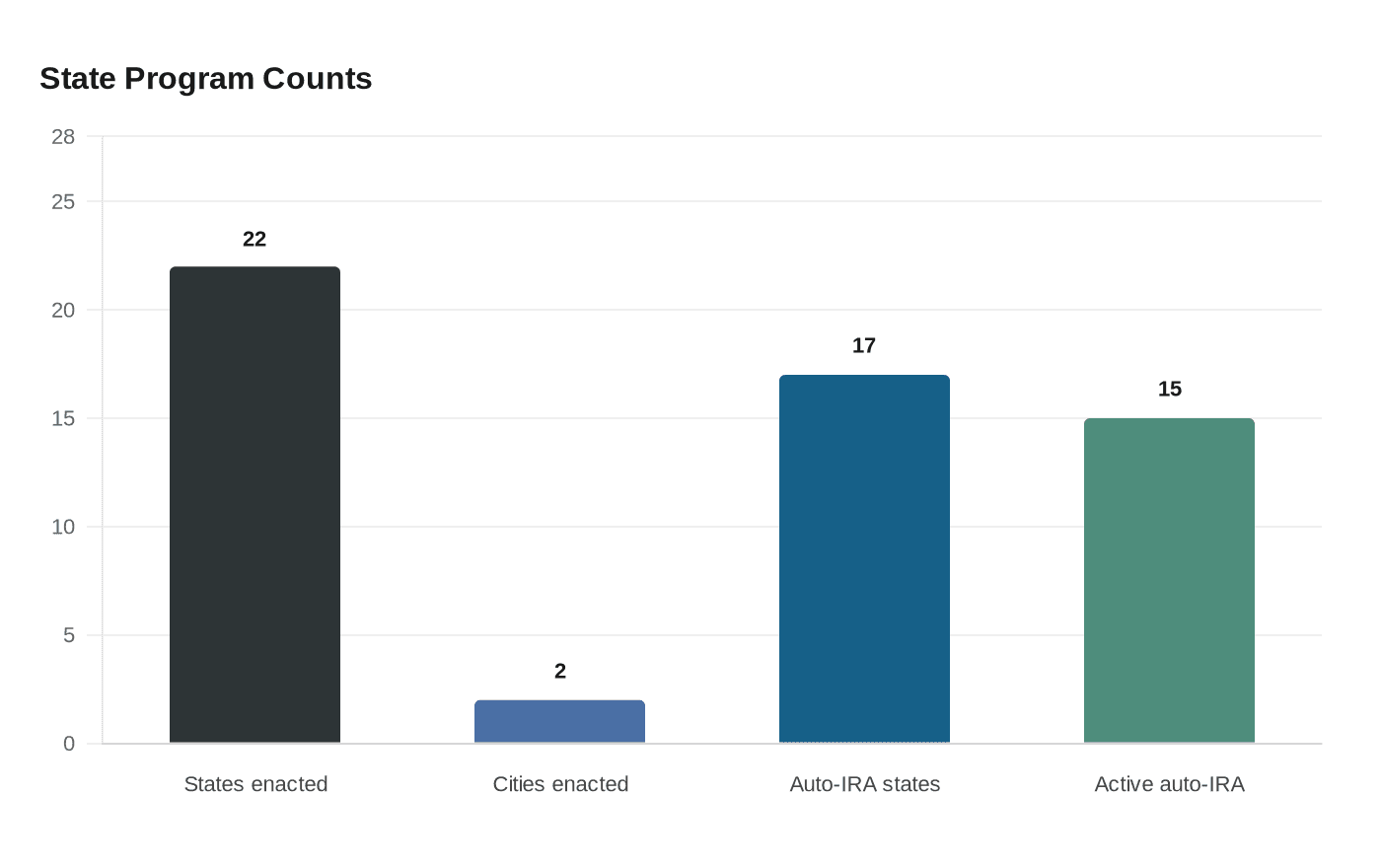
Compared with state auto-IRA programs, the federal plan looks narrower. Georgetown’s Center for Retirement Initiatives said that as of April 8, 2026, 22 states and two cities had enacted retirement-savings programs for private-sector workers, including 17 auto-IRA states, and that Minnesota had become the most recent state to open its program to all eligible employers and workers. Pew said in early 2026 that 15 states had active auto-IRA programs, more than 1 million workers had saved more than $2.5 billion, and the first program started in Oregon in 2017. Those state programs automatically enroll uncovered workers through payroll deduction unless they opt out, which makes them more forceful than a website that simply lists options.
The idea is not new in Washington. President Barack Obama’s Treasury Department had already pushed automatic enrollment and other steps in 2010 to broaden retirement saving, and House Democrats later revived a federal Automatic IRA proposal that would have required employers with more than 10 workers to enroll uncovered employees. That bill was designed to complement state auto-IRAs, not replace them. Trump’s order follows that same policy path, but stops short of mandating coverage, leaving the biggest question unchanged: whether workers who have been shut out of the employer system will actually sign up once the federal portal goes live.
This article was produced by Prism’s automated news system from verified source data, official records, and press releases, then run through automated quality and moderation checks before publishing. The system is built and supervised by the people who set the standards it runs under. Read our full AI policy.
Did this article answer your question?


%3Amax_bytes(150000)%3Astrip_icc()%2FTrumpandBitcoin2-58606bf51eda48bdaef9a9853f2541ad.png&w=1920&q=75)