Trump to visit Beijing March 31–April 2 for summit with Xi on trade
A White House official confirmed a three-day state visit March 31–April 2 focused on tariffs, technology and market access; the trip follows a Supreme Court ruling that overturned some Trump-era tariffs.
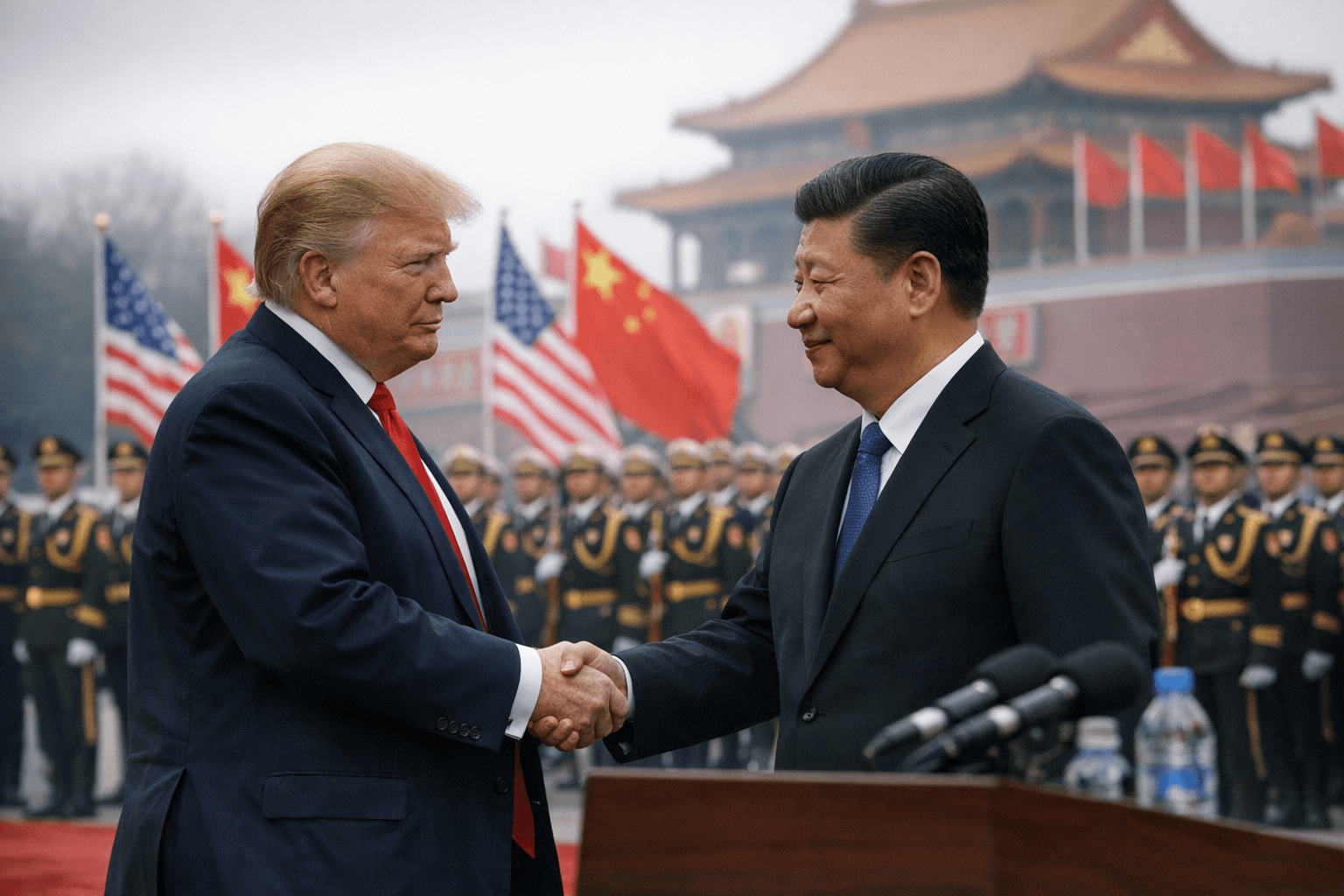
President Donald J. Trump will travel to Beijing from March 31 to April 2 for a three-day visit with President Xi Jinping and senior Chinese leaders, a White House official confirmed Friday, setting up a high-stakes summit centered on trade, technology and geopolitical fault lines.
Tariffs and market access are expected to dominate the agenda. The confirmation came just before the U.S. Supreme Court overturned tariffs Mr. Trump had imposed on selected imports, including some from China, a legal shift trade analysts say could undercut U.S. negotiating leverage in Beijing. Agricultural markets and manufacturers will be watching closely: China’s responses to U.S. trade threats have previously included reductions in purchases of U.S. soybeans, once America’s top export to China, and any change in buying patterns could translate into immediate price and job impacts in rural states.
The optics of the visit are likely to be striking. Mr. Trump has framed the trip as a spectacle, saying, “That’s going to be a wild one,” and urging that the visit “put on the biggest display you’ve ever had in the history of China.” U.S. and Chinese officials have not released a formal public itinerary; as of Saturday neither the White House nor the State Department had posted a trip schedule, and Chinese government channels had not yet publicly confirmed the dates.
Beyond tariffs, the summit will probe technology competition and supply chain control. Sean Stein, president of the U.S.-China Business Council, said the visit could prompt U.S. policymakers to reassess Beijing’s technological advances: “The visit can help wake up policymakers in the U.S. to a couple of things, including the genuine, deep, rapid nature of Chinese innovation and Chinese research and development that in some areas surpass that of the United States, Europe, and other places.” The council counts more than 270 members, including FedEx, Qualcomm and Visa, underscoring corporate interest in any deals or regulatory signals that emerge.
China has been actively reducing U.S. leverage through trade outreach and tariff moves. State media has reported plans to implement zero tariffs on imports from 53 African countries, Beijing has slashed tariffs with Canada on electric vehicles, and diplomats have been dispatched to deepen ties in strategic markets. A senior Chinese official offered a pointed diplomatic assessment of Washington’s posture, saying, “Don't interrupt your opponent when he is making a mistake,” language that analysts interpret as confidence in China’s longer-term strategy to blunt containment efforts.
Geopolitical flashpoints will complicate the meeting. Officials and scholars warn that Taiwan, technology export controls and national security restrictions could damp ceremonial bonhomie and constrain concrete deliverables. Julian Gewirtz, a former National Security Council official, framed the visit as a signal opportunity for Beijing, saying “Xi is sending a global signal that he has successfully managed the U.S. through a year of resistance” to Mr. Trump’s trade agenda.
For Washington, the summit offers a test of how economic policy, domestic legal rulings and diplomatic theater interact. With tariffs rescinded by the Supreme Court and no public Chinese confirmation of the schedule, administrations on both sides retain room to adjust posture and leverage in the weeks ahead.
This article was produced by Prism’s automated news system from verified source data, official records, and press releases, then run through automated quality and moderation checks before publishing. The system is built and supervised by the people who set the standards it runs under. Read our full AI policy.
Did this article answer your question?