Trump unveils $1,000 retirement match for all working Americans, White House says
The administration announced a federal program offering up to $1,000 in annual matching contributions to every worker’s retirement account, a policy aimed at boosting savings.
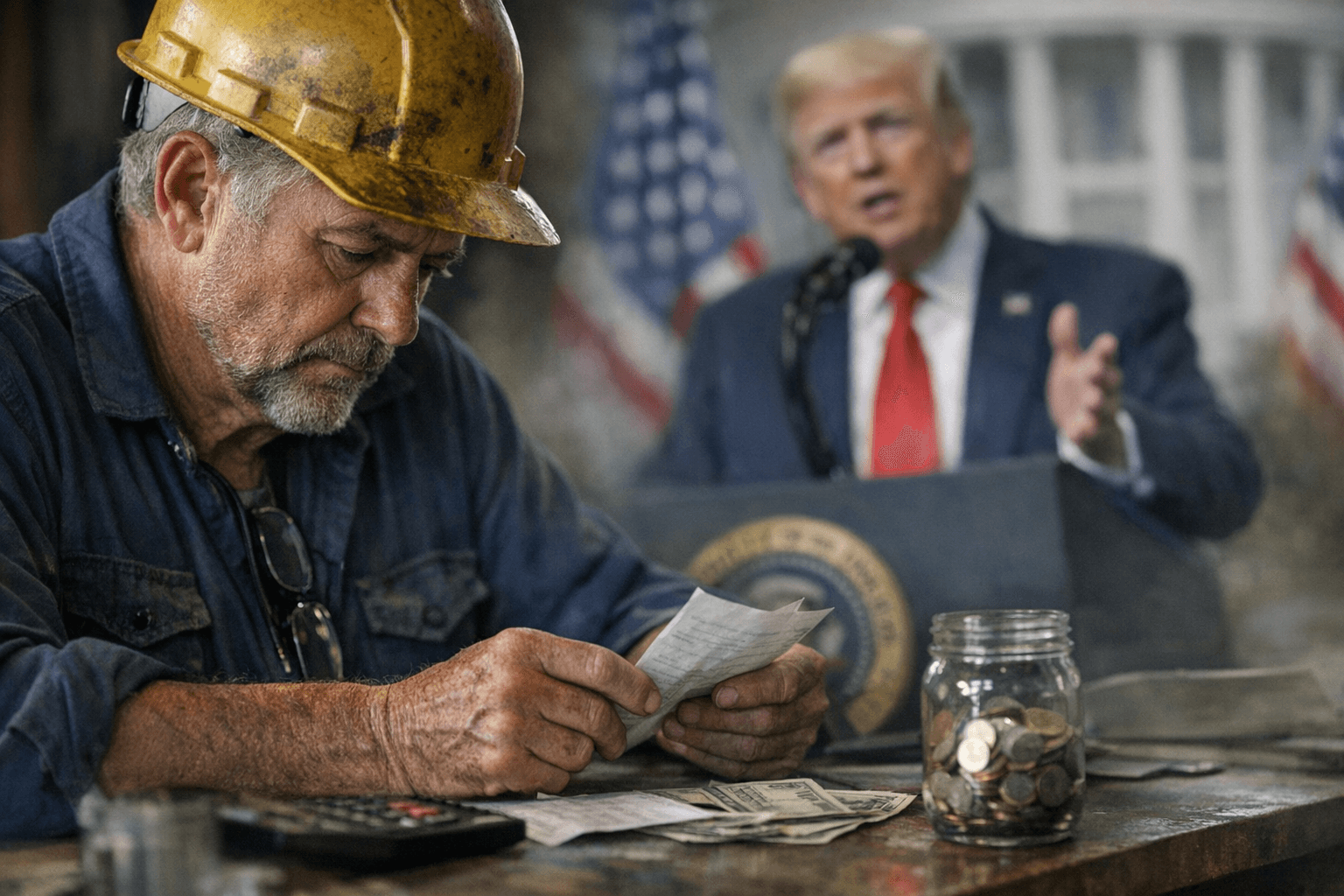
President Trump announced a federal initiative that gives all working Americans access to a retirement account with up to $1,000 in annual matching contributions, a move the White House hailed as a major boost for savers and part of broader economic reforms. The administration said the measure is intended to extend retirement savings to workers who lack employer-sponsored plans and to increase participation among low- and middle-income households.
Details released so far are limited to the headline benefit: a universal match of up to $1,000 per year tied to contributions into newly created or expanded individual retirement accounts for wage earners. The White House framed the program as available to every worker, including those in part-time, seasonal and gig-economy roles who have historically lacked access to workplace plans. Officials say the change will be paired with administrative steps to facilitate enrollment, though the precise delivery mechanism, funding source and start date were not fully specified in the announcement.
Policy analysts and retirement advocates said the match could raise savings rates if implemented effectively, but cautioned that program design will determine its reach. Key design questions include eligibility verification, whether matches are fronted by federal funds or administered through payroll tax credits, and how portable accounts will interact with existing 401(k) and IRA structures. Implementation will also hinge on whether the administration can set up the program by regulation or will require congressional action to appropriate matching funds and establish long-term administration.
The proposal carries clear political implications. By targeting working Americans outside traditional employer plans, the initiative speaks to constituencies where retirement insecurity is acute and where turnout can swing elections. Expanding access to a modest, automatic match could strengthen the administration’s appeal among noncollege voters and service-sector employees in battleground states, while offering a bipartisan framing centered on thrift and self-reliance. At the same time, critics may scrutinize cost, fiscal accounting and whether the match meaningfully raises retirement readiness versus encouraging short-term participation for immediate incentives.
Institutionally, the plan tests the capacity of federal agencies to create large-scale financial services infrastructure quickly. Establishing enrollment systems, fraud safeguards and interoperability with payroll processors and financial institutions would require interagency coordination and contracting. State governments and private employers will play roles depending on whether the program is designed as a federal plan that supplements employer offerings or as a backstop for workers without access to workplace retirement accounts.
Advocacy groups that have long pressed for auto-enrollment and matched savings programs voiced guarded interest in the concept, noting that a $1,000 match could disproportionately help lower-income savers if paired with automatic enrollment, low fees and financial education. Labor organizations and small-business groups will watch whether the initiative reduces employer burdens or adds new compliance requirements.
The announcement sets a rapid timeline for debate over substance and costs. Implementation choices made in the coming weeks will determine whether the policy becomes a practical expansion of retirement coverage or a political signal with limited near-term effect on Americans’ financial security. Congress, federal regulators and state officials can all influence that outcome as the administration moves to flesh out operational details.
This article was produced by Prism’s automated news system from verified source data, official records, and press releases, then run through automated quality and moderation checks before publishing. The system is built and supervised by the people who set the standards it runs under. Read our full AI policy.
Did this article answer your question?