Trump Veto Blocks Colorado Water Pipeline Financing, Sparks Outrage
President Trump used his first veto of his second term to block a unanimous bipartisan bill that would have eased repayment terms for the Arkansas Valley Conduit, a long‑delayed federal water project in southeastern Colorado. The decision throws more than $200 million of existing investment into uncertainty, raises questions about who will pay for rural clean water, and prompted Colorado lawmakers to call the move political retaliation.
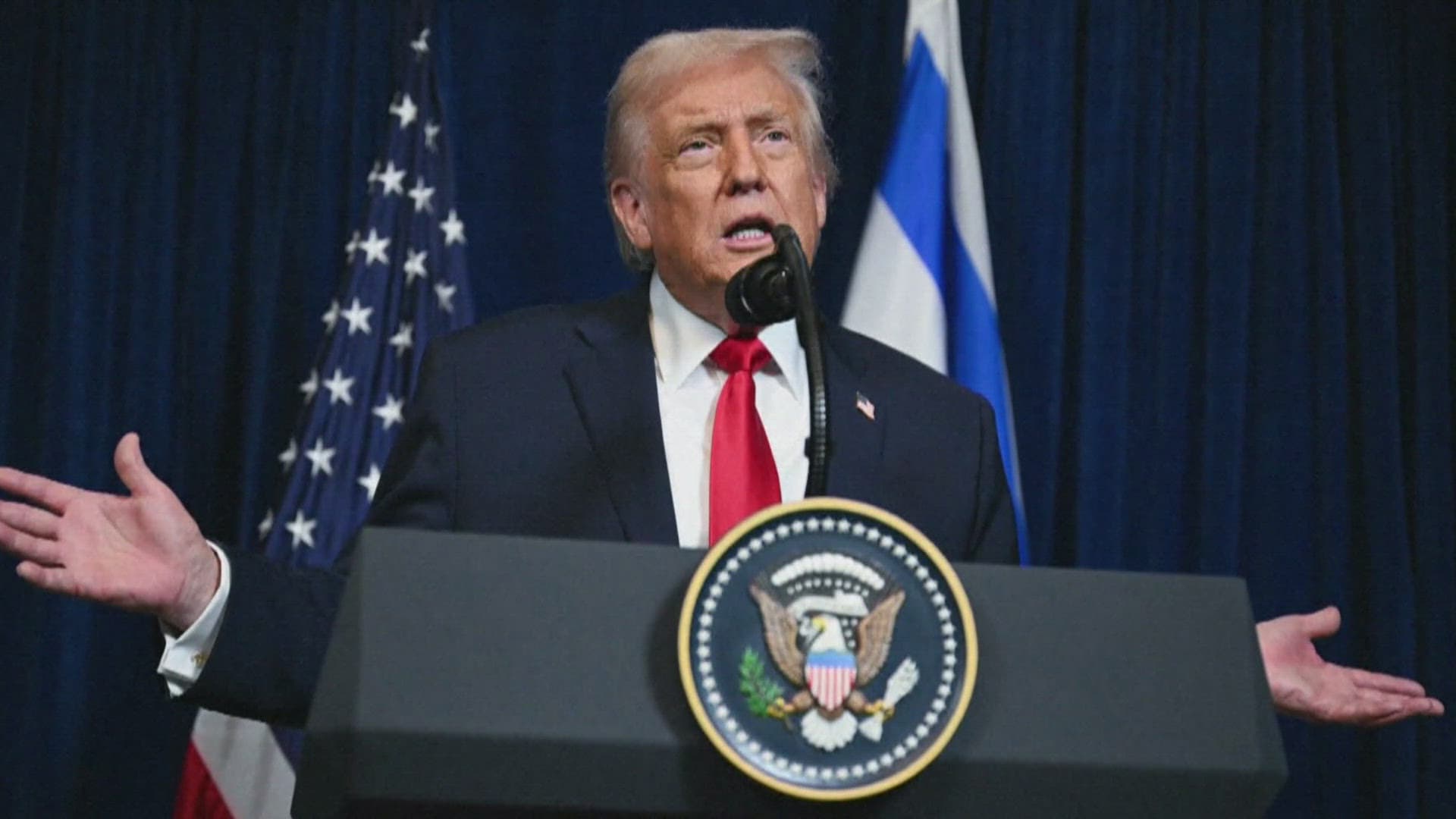
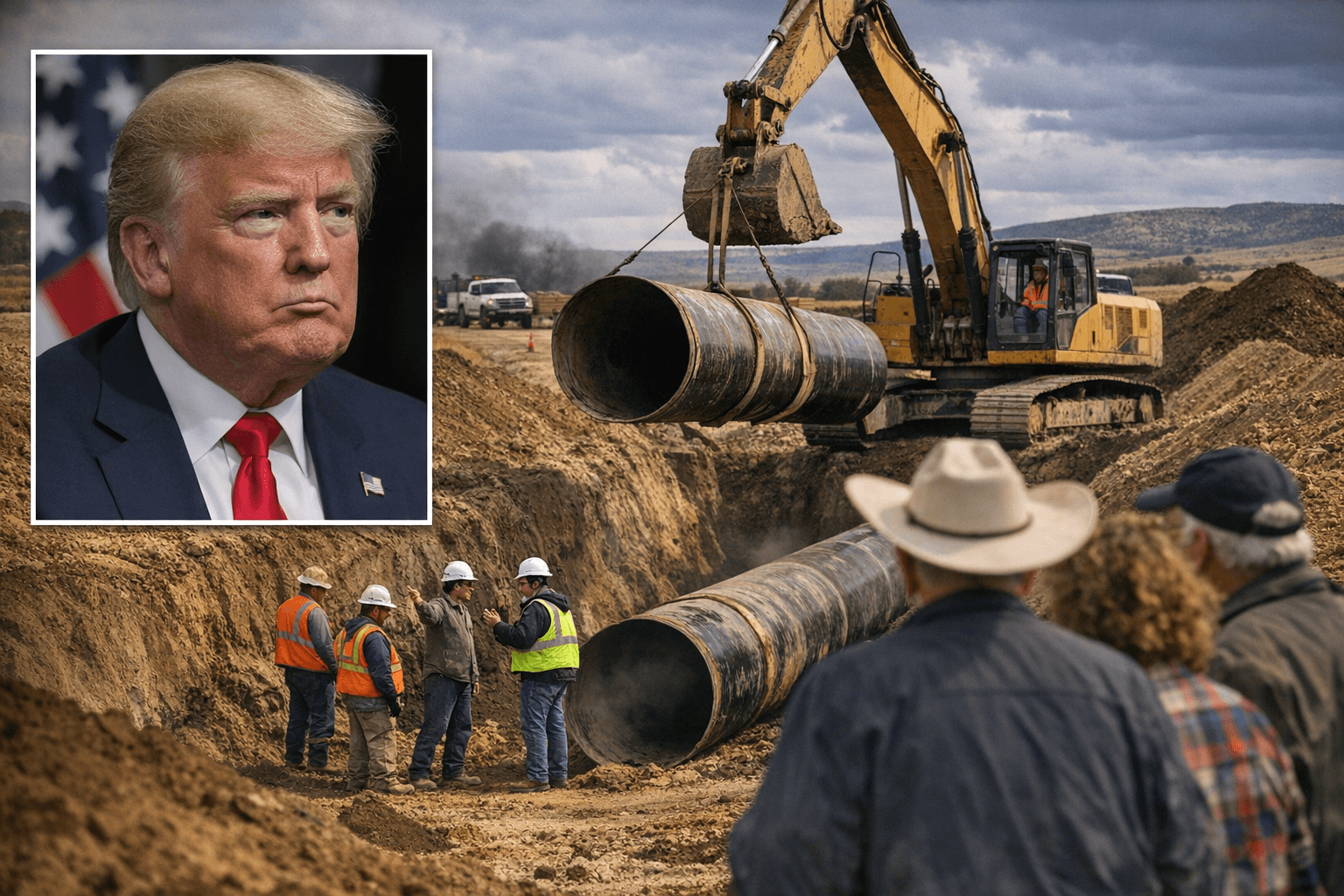
President Trump vetoed a bipartisan measure on Dec. 30 that would have modified repayment terms for the Arkansas Valley Conduit, a roughly 130‑mile federal pipeline intended to deliver clean surface water to southeastern Colorado communities. The veto, the first of his second term, overturns legislation that had passed both chambers of Congress unanimously and has reignited a sharp debate over federal responsibility for rural infrastructure.
The conduit is designed to serve dozens of towns, reporting has cited delivery to 39 communities and roughly 50,000 residents in the lower Arkansas Valley, and has been described by backers as a project promised for more than 60 years. Construction is already under way within Colorado, and federal, state and local governments have invested more than $200 million to date toward a project whose total cost is estimated at about $1.3 billion.
Supporters argued the narrowly drawn bill would have adjusted how existing construction costs are repaid, not authorize new federal construction spending, and would have protected prior investments from being stranded while allowing communities to meet federal drinking‑water standards. They said the change would cost taxpayers nothing new and was necessary to prevent long‑standing commitments from collapsing as work continues.
In his veto statement the president framed the decision in fiscal terms, writing that his administration was "committed to preventing American taxpayers from funding projects for special interests" and seeking to "restore fiscal sanity." The administration also warned that the conduit as originally conceived was "economically not viable" and argued Colorado should shoulder the completion costs. Officials cautioned the financing change risked "stranding taxpayer dollars and leaving communities without a viable path to meeting drinking water standards," while simultaneously arguing against expanded federal participation in what the White House described as costly local obligations.
Colorado's congressional delegation responded with sharp criticism. Senator Michael Bennet posted on X, "This isn’t governing. It’s a revenge tour. It’s unacceptable. I’ll keep fighting to get rural Colorado the clean water they deserve." He and Senator John Hickenlooper added in a joint statement, "Nothing says 'Make America Great Again' like denying 50,000 rural Coloradans access to clean, affordable drinking water," and urged Congress to consider an override. Representative Lauren Boebert, whose district includes part of the region, posted on X that "this isn’t over."
The veto leaves immediate questions about how the conduit will be completed and who will bear remaining costs. Policy analysts warn that removing the specific congressional change increases the risk that earlier investments could be stranded or delayed, potentially raising the cost of completion if state and local governments must fill financing gaps or seek private capital. For municipal borrowers, such uncertainty can translate into higher interest rates and increased borrowing costs in bond markets, complicating efforts to comply with drinking water regulations.
Legislative options remain limited and politically fraught. An override is procedurally possible but would require a two‑thirds majority in both chambers, a steep climb despite the bill's earlier unanimous passage. Beyond the immediate fight, the episode underscores a larger trend in infrastructure policy: disputes over the appropriate balance of federal, state and local responsibility for rural projects and the political risks for projects that rely on targeted federal support. For residents of the lower Arkansas Valley, the veto has transformed a decades‑old promise into a fresh political and financial uncertainty.
This article was produced by Prism’s automated news system from verified source data, official records, and press releases, then run through automated quality and moderation checks before publishing. The system is built and supervised by the people who set the standards it runs under. Read our full AI policy.
Did this article answer your question?

