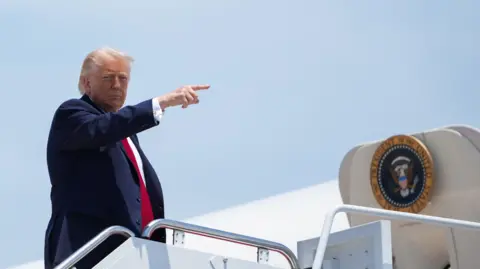
Trump visits Wisconsin to reassure farmers hit by tariffs and rising costs
Wisconsin farmers are still squeezed by low soybean prices and tariff pain, even after Trump promised billions in aid and toured Chippewa Falls to make his case.
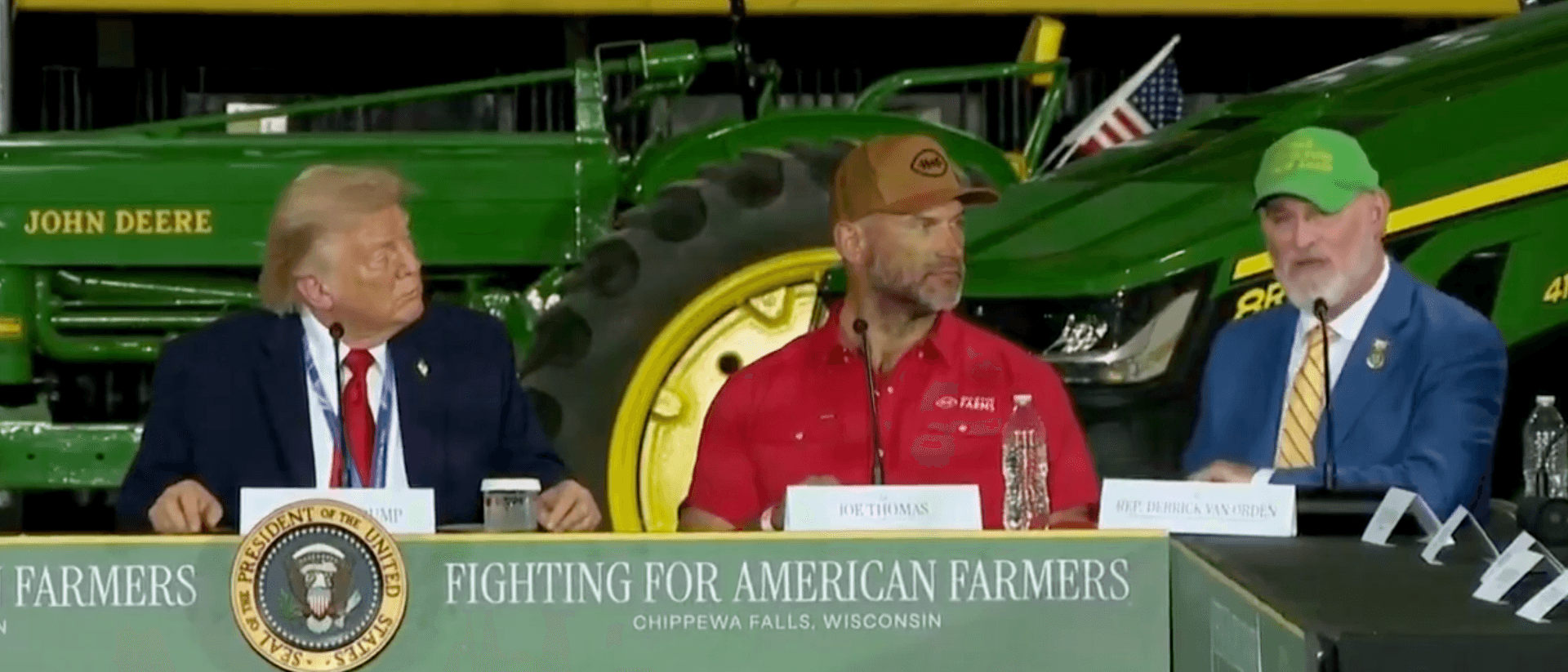
Farmers in Wisconsin are being pushed by a blunt combination of weak commodity prices, high input costs and tariff uncertainty, and the latest White House pitch did little to change that arithmetic. Soybean prices have stayed persistently low, and farmers across the Midwest have been struggling to sell crops while absorbing the costs of doing business in a volatile trade environment.
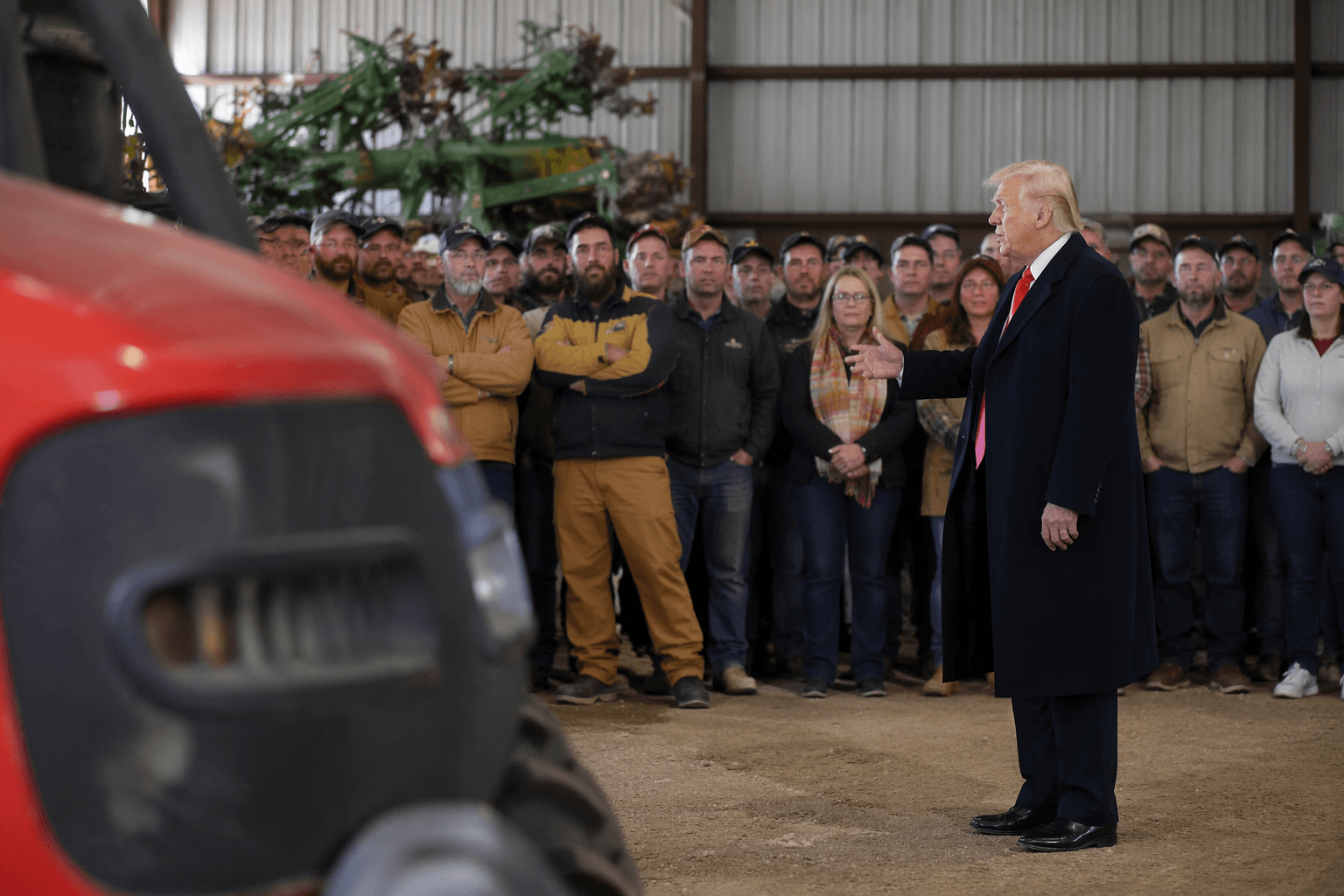
That is the backdrop for Donald Trump’s stop in Chippewa Falls on Friday, where he held a farm roundtable and tried to reassure growers facing the economic fallout of his tariff policies and the conflict involving Israel and Iran. The visit landed in a state where agriculture still carries major political weight, and where voters were already in the spotlight after Wisconsin’s April 7 Supreme Court race.
The administration has already leaned on relief. In December 2025, Trump announced a $12 billion farm aid package after farmers struggled to move crops and absorb higher costs tied to tariffs on China. Earlier, in October 2025, he was considering at least a $10 billion bailout for farmers facing tariff pain. Those moves showed the government had recognized the strain; they also underscored how long the pressure had been building before Trump arrived in Wisconsin.
What remains unresolved is the deeper balance-sheet squeeze. Reporting on the farm economy has pointed to high input costs, low commodity prices and trade uncertainty as the core problem. Tariff collections during Trump’s second term had reached $363 billion by April 2026, a sign of how central tariffs had become to his economic agenda, but also a reminder that farmers are operating under a policy regime that can raise costs as it seeks leverage abroad.
Wisconsin was a fitting stage for that tension. Trump came to a farming community in a politically important state and offered reassurance, but the numbers farmers confront are stubborn: low soybean prices, higher costs and repeated rounds of trade disruption. The White House has promised aid, but the relief so far has been aimed at the fallout from tariffs, not at the broader cost structure that keeps farm margins under pressure.
This article was produced by Prism’s automated news system from verified source data, official records, and press releases, then run through automated quality and moderation checks before publishing. The system is built and supervised by the people who set the standards it runs under. Read our full AI policy.
Know something we missed? Have a correction or additional information?
Submit a Tip