Trump voters tell pope to stay out of Iran war dispute
Trump allies brushed off Pope Leo XIV’s criticism of the Iran war, turning a Vatican plea for restraint into a test of Republican loyalty and foreign-policy independence.
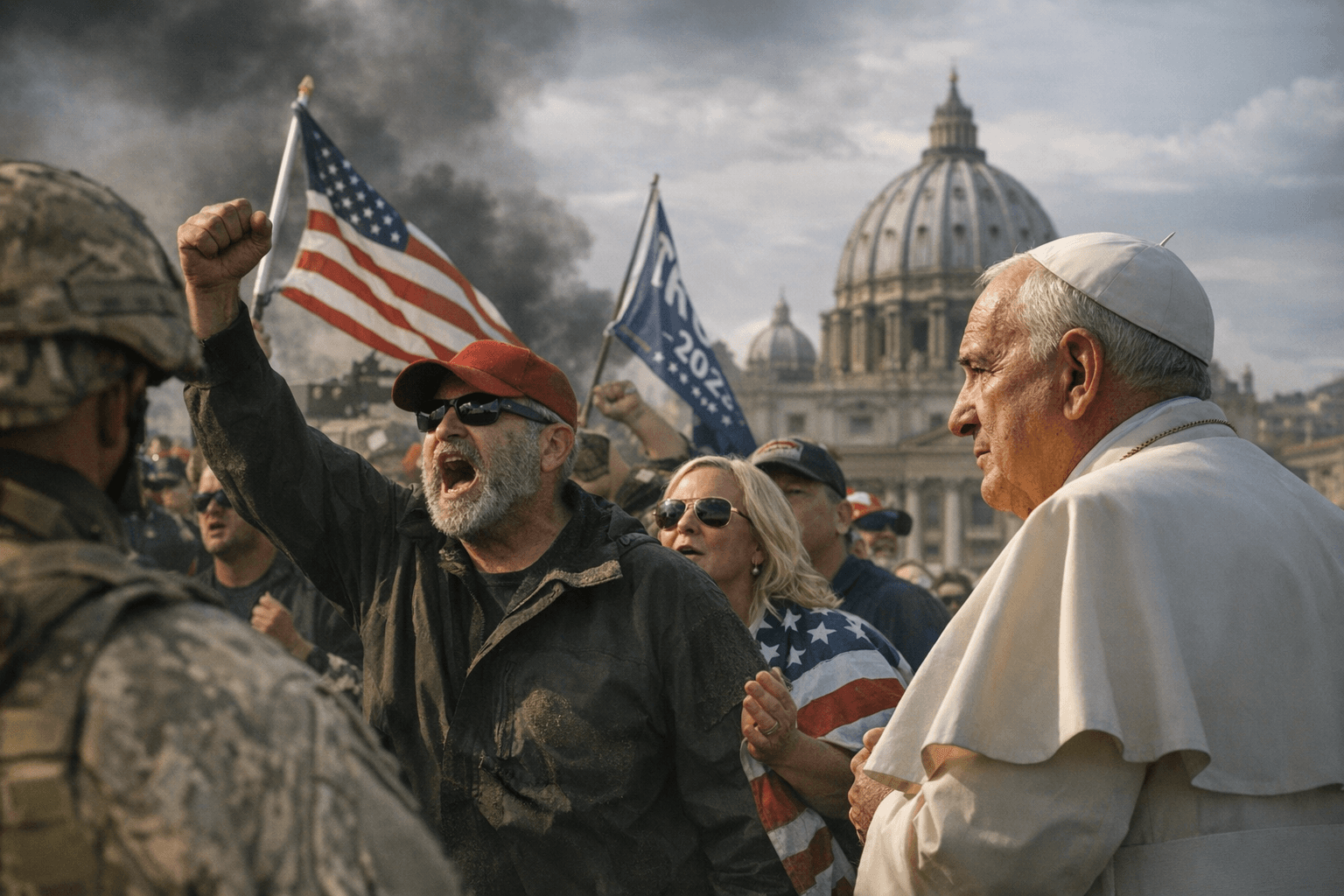
Trump voters and Republican allies largely rejected Pope Leo XIV’s attempt to weigh in on the Iran war, treating the Vatican’s moral appeal as outside interference in a national security fight they believe belongs to elected leaders. The dispute has widened from a personal clash into a sharper argument over who gets to speak with authority on war, peace and the limits of religious influence in American politics.
The pope escalated the confrontation by criticizing military action abroad, then drew a sharp response from Donald Trump, who called him “WEAK on crime” and “terrible for Foreign Policy.” Leo answered by emphasizing peace and rejecting the idea that he was seeking a personal fight. On April 18, 2026, he said it was “not in my interest” to debate Trump and stressed that his trip to Africa was centered on peacebuilding, not the White House feud.
That restraint did little to lower the temperature inside Republican circles. JD Vance first downplayed the dispute on April 14, saying it was not newsworthy, then on April 18 thanked the pope after Leo said he did not want a public debate. The quick pivot showed how Republican leaders were trying to keep the conflict from becoming a broader test of Catholic loyalty, especially as conservative voters increasingly separate faith identity from deference to Vatican intervention in foreign policy.
The political stakes rose further because the exchange unfolded while the Iran crisis deepened. NBC linked the feud to live developments around Iran and the Strait of Hormuz, including reports of Indian ships coming under fire and Trump’s push to block or pressure Iran’s maritime access. In that setting, the Vatican’s calls for restraint were not heard simply as theological commentary. They landed as a direct intervention in an active international confrontation with real military and economic consequences.
The dispute has also become a cultural marker inside the American right. The Atlantic’s April 16 commentary, “Pope James David Vance the First,” showed how quickly the fight moved beyond Trump and Leo into a wider argument about the first American pope, conservative Catholic politics and the boundaries of moral authority. For Trump’s supporters, the message was plain: the pope may speak for the church, but he does not set U.S. war policy.
This article was produced by Prism’s automated news system from verified source data, official records, and press releases, then run through automated quality and moderation checks before publishing. The system is built and supervised by the people who set the standards it runs under. Read our full AI policy.
Did this article answer your question?

