Trump warns of 'complete mess' if Supreme Court voids IEEPA tariffs
Trump warned that invalidating his global tariffs would cause a “complete mess” and prolonged financial fallout, raising urgent questions about refunds, supply chains and equity.
President Donald J. Trump delivered a stark warning that a Supreme Court decision striking down tariffs his administration imposed under the International Emergency Economic Powers Act would create “chaos” and a “complete mess,” amplifying concerns about the economic and social fallout if the court rules against the administration.
The tariffs, enacted in 2025 using IEEPA emergency authority, cover a wide range of imports and have generated more than $130 billion in federal revenue since they took effect. Legal challengers argue that the 1977 statute never authorizes tariffs and that levies of this kind are a power reserved to Congress. The Supreme Court heard argument in November 2025 and focused on the scope of presidential authority; Chief Justice John Roberts at one point described the levies as “taxes on Americans,” a characterization that drew attention among court watchers.
During oral argument, Associate Justice Amy Coney Barrett warned that designing a refund process could become “a complete mess.” On Jan. 12 the president amplified that line in posts on his social platform and in public remarks, saying that if the court “rules against the United States of America on this National Security bonanza, WE'RE SCREWED!” He added that “When America shines brightly, the World shines brightly,” and cautioned that anyone claiming refunds could be “quickly and easily done” would be offering a “false, inaccurate, or totally misunderstood answer to this very large and complex question.” The precise timing for the court’s ruling remained uncertain but has been widely expected imminently.
The dispute raises immediate questions about who would receive refunds, how they would be calculated and how long any repayment process would take. Even the relatively concrete figure of more than $130 billion in collections belies the broader claims made by the administration about trillions in liability once additional investments and indirect effects are included. Businesses in the United States and abroad have signaled they would seek to recoup payments if refunds are ordered, but many legal and logistical obstacles could slow relief and leave companies and consumers exposed in the meantime.
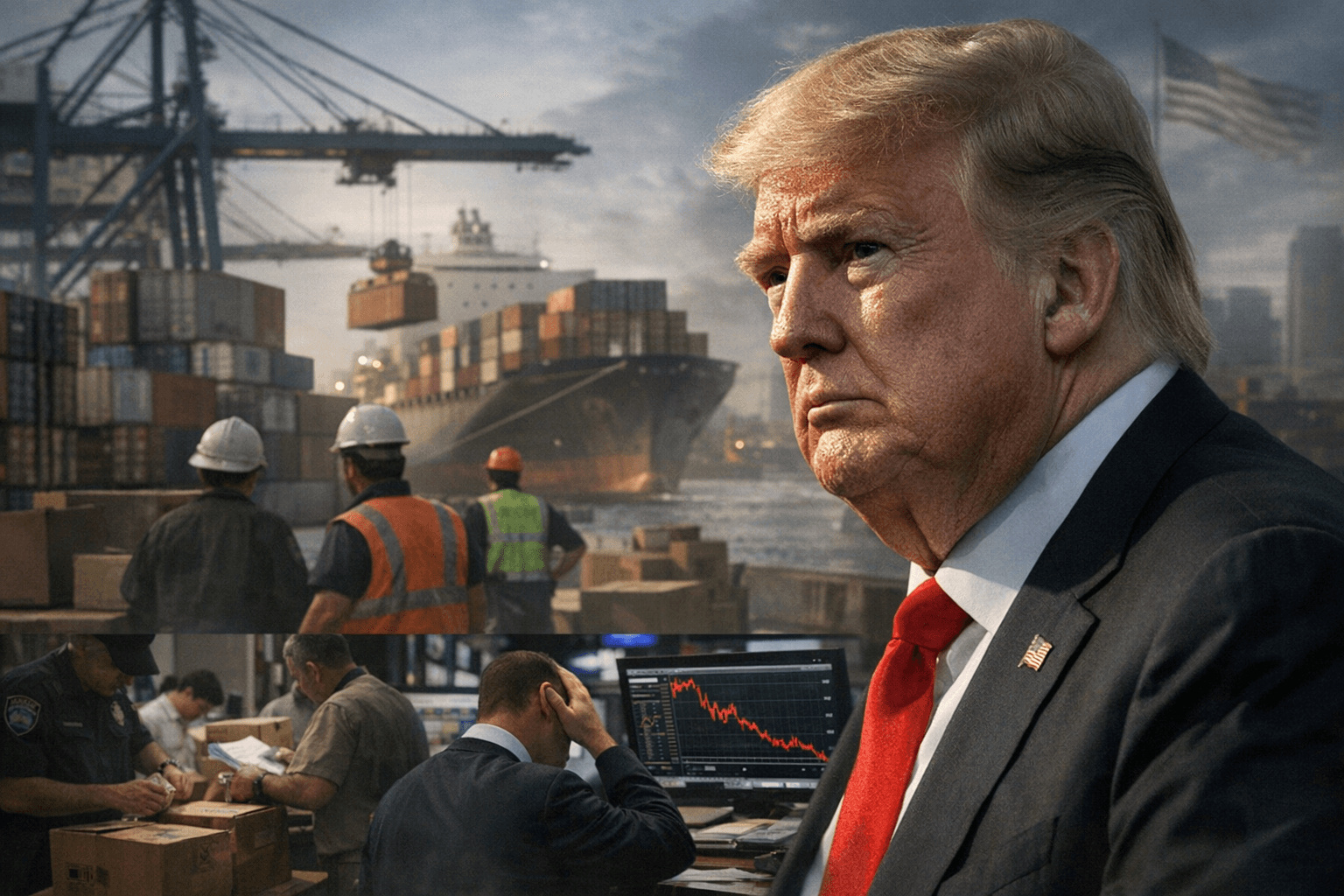
Beyond legal technicalities, public health officials and advocates are already warning that the economic disruption could cascade into health care and community well-being. Broad tariffs can raise costs for medical supplies and pharmaceuticals that rely on global supply chains, exacerbate inflation in essential goods and strain state and local budgets that fund public health programs. Low-income households and marginalized communities typically feel such price shocks most acutely, widening disparities in access to care, medication and healthy food.
Policy experts also stress that a judicial rebuke would reconfigure the balance of trade authority between the executive and legislative branches, complicating future use of emergency powers for national security or health responses. For community health leaders, the central concern is practical: how quickly can refunds or policy fixes reach the people and systems that would bear the brunt of higher costs and disrupted imports.
As the court’s decision approaches, policymakers face a twofold task: preparing legal and administrative pathways for any required repayments while shoring up social safety nets and supply chains to protect vulnerable communities. If the justices invalidate the tariffs, the scale and speed of the response will determine whether recovery is orderly or, as the president warned, devolves into the kind of prolonged financial and social disruption that can deepen inequities and weaken public health protections.
This article was produced by Prism’s automated news system from verified source data, official records, and press releases, then run through automated quality and moderation checks before publishing. The system is built and supervised by the people who set the standards it runs under. Read our full AI policy.
Did this article answer your question?

