Trump warns Taiwan against independence after Beijing summit
Trump warned Taiwan against declaring independence after meeting Xi Jinping in Beijing, prompting Taipei to restate that it is sovereign and independent.
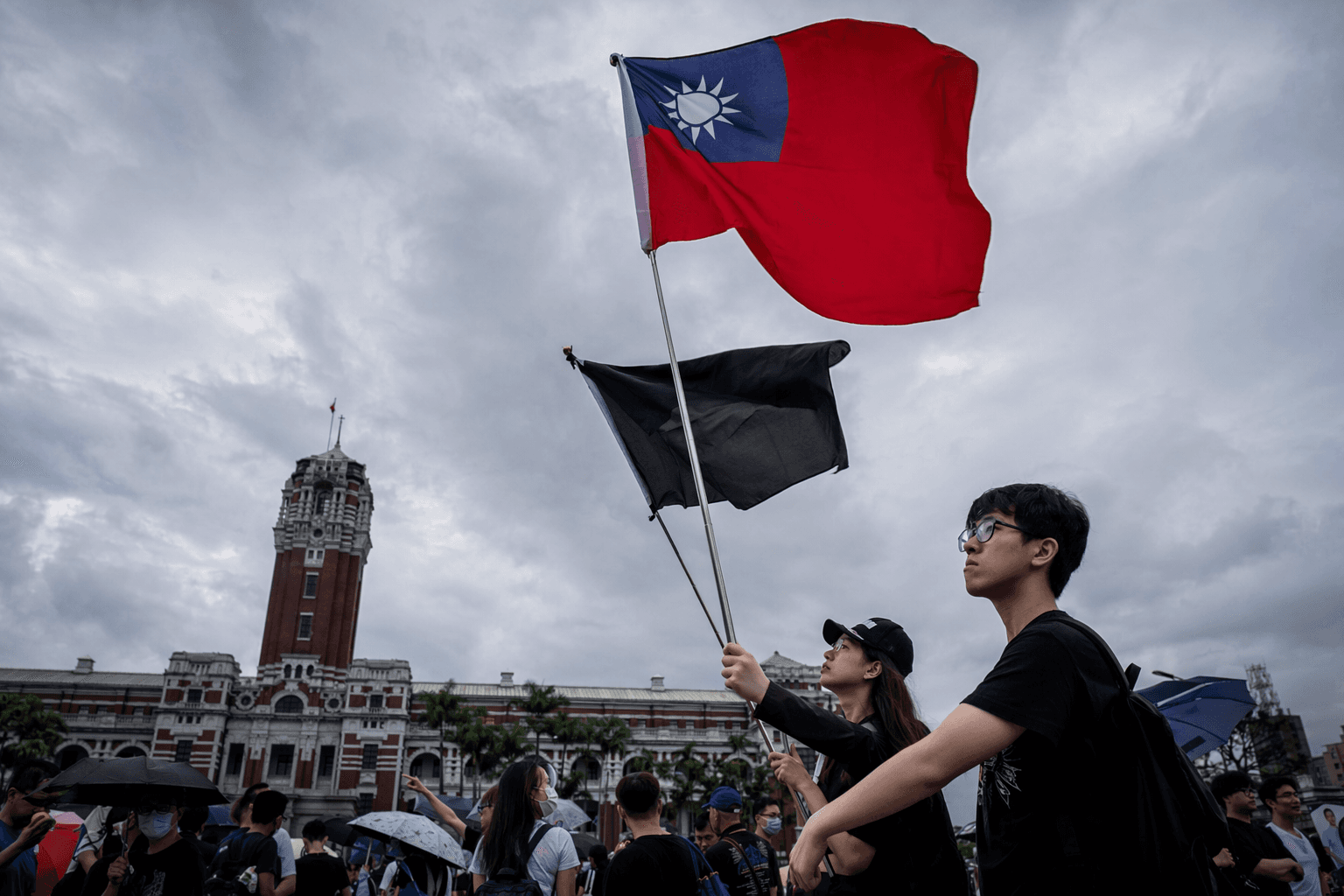
Donald Trump’s warning against Taiwan independence after his Beijing summit with Xi Jinping sharpened a familiar fault line in U.S.-China relations: Washington’s strategic ambiguity, Beijing’s sovereignty claim, and Taipei’s insistence that it defines itself. Trump said on Fox News that he was “not looking to have somebody go independent,” while also saying he was weighing whether to approve a planned $14 billion arms sale to Taiwan.
Xi reportedly pressed Trump not to support Taiwan independence and warned that mishandling the issue could lead to clashes or conflict. Taiwan’s foreign ministry answered quickly, saying Taiwan is a “sovereign and independent democratic nation” and is not subordinate to the People’s Republic of China. It said Beijing has no right to claim jurisdiction over Taiwan and that China’s military pressure is the real threat to peace and stability in the region.
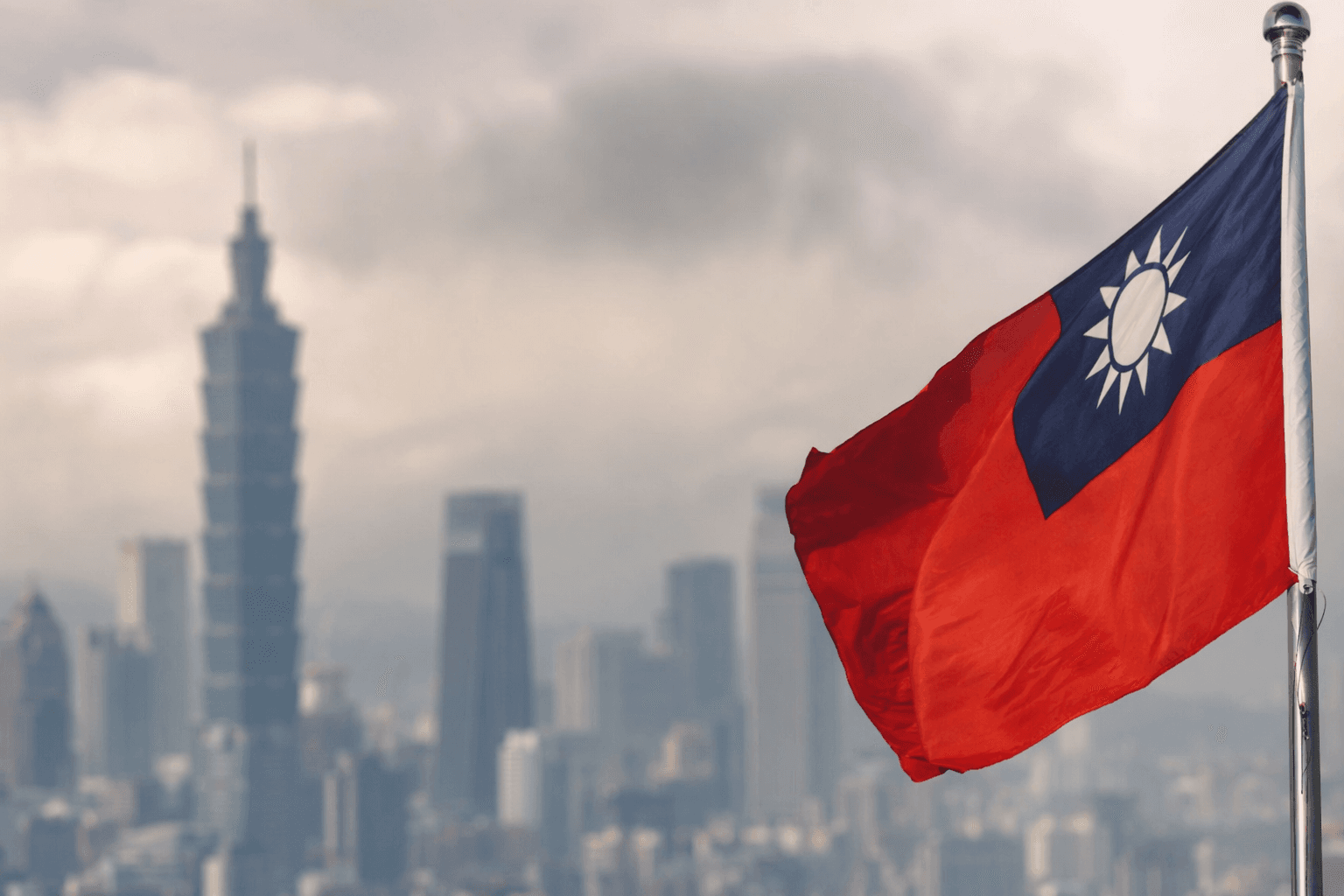
The exchange landed in a place where the United States has long tried to balance deterrence and ambiguity. Washington does not maintain formal diplomatic relations with Taiwan, but it does sustain a robust unofficial relationship, anchored by the Taiwan Relations Act, the Three Joint Communiqués and the Six Assurances. The United States shifted formal recognition from Taipei to Beijing in 1979, yet kept unofficial ties through the American Institute in Taiwan and continued to support Taiwan’s self-defense.
For Taiwan, the stakes go well beyond rhetoric. President Lai Ching-te has said the island will neither yield nor provoke and will maintain the cross-strait status quo. Taiwan is home to about 23.5 million people, ranks among the world’s top 20 economies and was the United States’ seventh-largest trading partner in 2024, giving every shift in U.S. signaling direct economic as well as military consequences.
The latest warning matters because it tests how much room Taiwan has to maneuver internationally at a time when Beijing is applying more pressure and Washington is sounding less certain about how far it would go. For Taipei, the message from the White House has to preserve deterrence without nudging the island toward a unilateral move that could redraw the strategic map of the Taiwan Strait.
This article was produced by Prism’s automated news system from verified source data, official records, and press releases, then run through automated quality and moderation checks before publishing. The system is built and supervised by the people who set the standards it runs under. Read our full AI policy.
Did this article answer your question?


