Trump weighs Iran deal as talks stall over Hormuz access
Trump’s two-hour Iran meeting ended with no decision, leaving troops, shippers and civilians across the Middle East bracing for the fallout.
The delay itself became the message. After President Donald Trump said he was meeting in the White House Situation Room to make a final determination on an Iran proposal, the meeting ran for about two hours and ended with no public decision, no immediate White House follow-up and no clarity for the troops, allies and civilians already planning around the outcome.
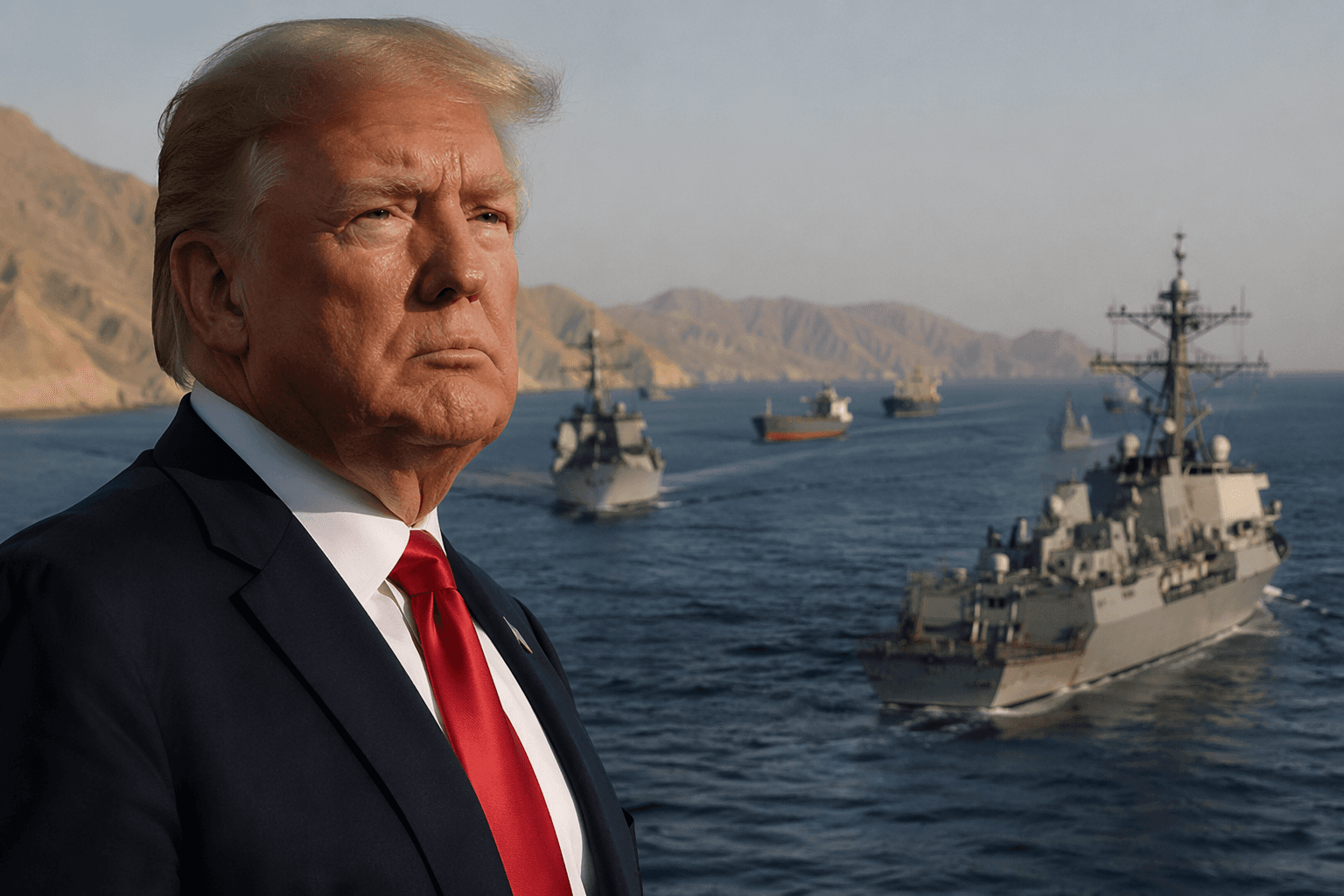
The proposal was tied to extending the ceasefire and reopening the Strait of Hormuz to commercial shipping, one of the world’s most important energy chokepoints. Trump said Iran had to agree never to have a nuclear weapon, and he demanded unrestricted shipping traffic through the strait with no tolls. That left negotiators facing a moving target, with the contours of the deal still unsettled and key conditions not clearly aligned.
The uncertainty carried immediate consequences in a region already under strain. More than 3,500 U.S. troops, including about 2,500 Marines aboard the USS Tripoli, arrived in the Middle East on March 28. Additional reporting in April said thousands more troops were being sent. By May 23, U.S. Central Command said it had redirected more than 100 commercial vessels while enforcing a blockade against Iranian ports. Operation Epic Fury, which the White House said Trump authorized on March 1, framed the broader campaign as an effort to dismantle Iran’s security apparatus and neutralize imminent threats.
The diplomatic track remained equally unsettled. U.S. and Iranian negotiators were still working on a preliminary framework, while Iranian state media said Trump’s demands contradicted the draft agreement text. That gap mattered not just in Washington, but across ports, shipping routes and military outposts from the Arabian Sea to the Gulf of Oman, where every delay forced civilians, sailors and commanders to prepare for a wider disruption. The silence from the White House after the Situation Room meeting was not neutral. It became its own signal, one that deepened the uncertainty surrounding war, trade and the fragile ceasefire now hanging on a decision that had not yet come.
This article was produced by Prism’s automated news system from verified source data, official records, and press releases, then run through automated quality and moderation checks before publishing. The system is built and supervised by the people who set the standards it runs under. Read our full AI policy.
Know something we missed? Have a correction or additional information?
Submit a Tip