Trump’s 2018 Iran deal withdrawal sparked nuclear enrichment surge
Trump tore up a deal that capped Iran’s stockpile at 300 kilos. By 2025, Tehran had amassed more than 400 kilos of 60% uranium.
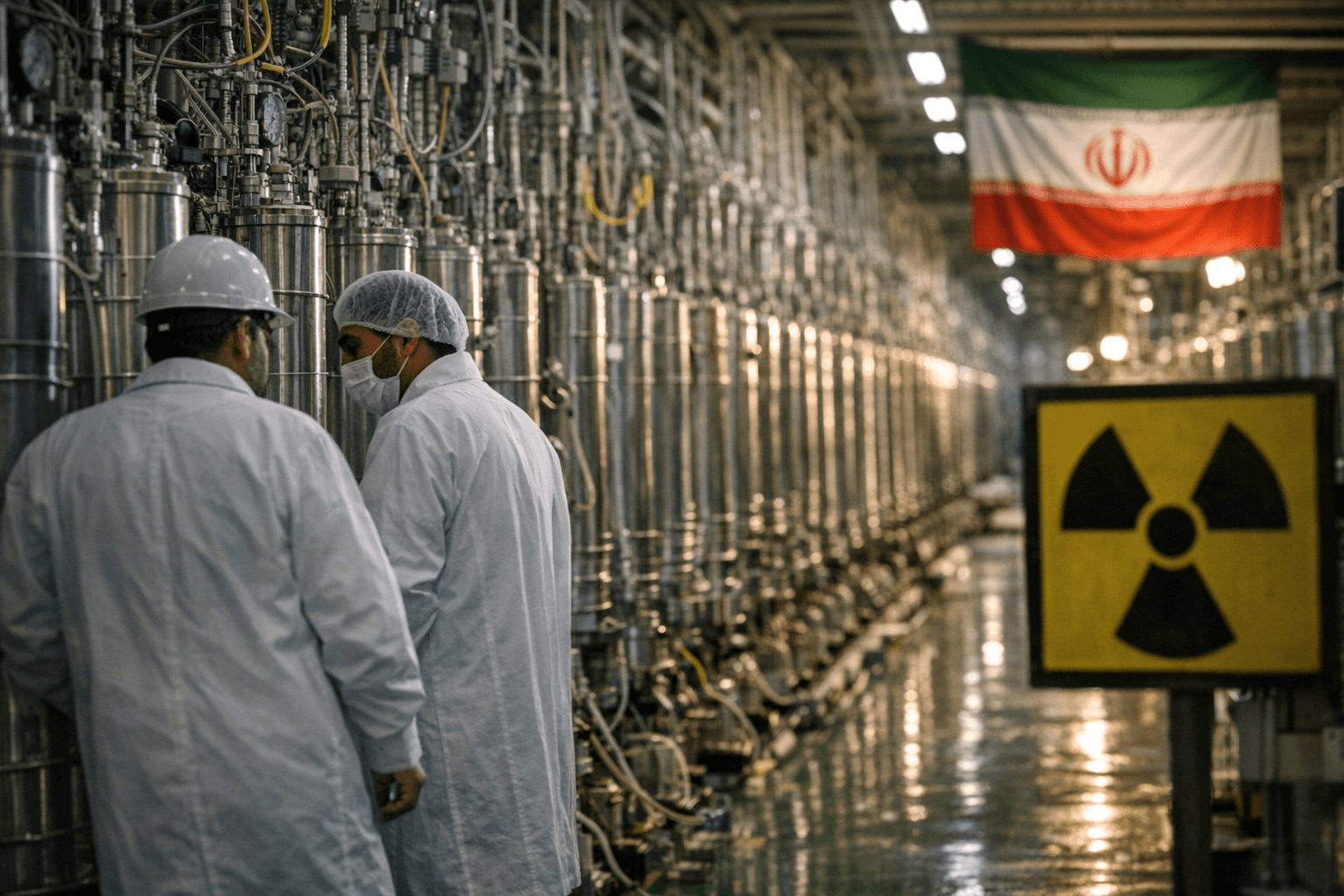
Trump’s 2018 exit from the nuclear accord removed the limits that had kept Iran’s program tightly constrained, and Tehran’s response reshaped every negotiation that followed. Under the Obama-era deal, Iran had been bound to keep its enriched uranium stockpile under 300 kilograms at no more than 3.67% purity, with intrusive international monitoring built into the arrangement. By 2025, that restraint was gone and Iran had accumulated more than 400 kilograms of uranium enriched to 60%, a level far closer to weapons grade than the agreement ever allowed.
The gap between the two eras is stark. The JCPOA did not simply freeze enrichment; it forced Iran to redesign parts of its nuclear posture, including work at the Arak heavy water reactor, while giving inspectors the access needed to verify compliance. Once Trump abandoned the accord and called it a disastrous bargain, Iran began walking away from its own commitments. By July 2019, inspectors had already verified that Iran’s low-enriched uranium stockpile had exceeded the 300-kilogram cap, and the escalation kept climbing from there.
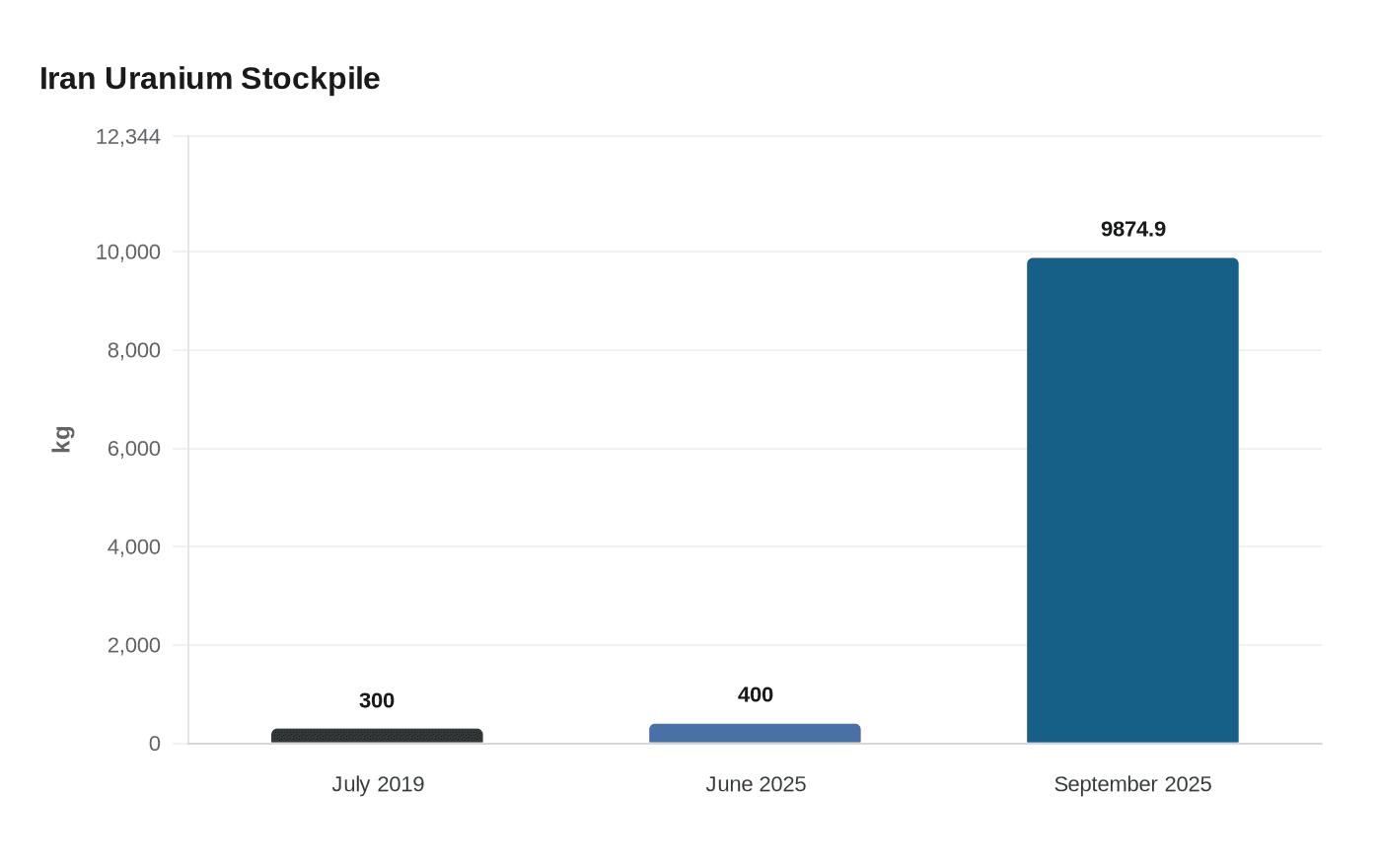
The International Atomic Energy Agency later reported that Iran was the only non-nuclear-weapon state under the Non-Proliferation Treaty to have produced and accumulated uranium enriched to 60%. In June 2025, inspectors were verifying more than 400 kilograms of that material before the conflict with Israel upended access. By September 2025, the agency estimated Iran’s total enriched uranium stockpile at 9,874.9 kilograms, a figure that underscored how much the nuclear landscape had changed since the deal’s early days.
That history matters because it leaves U.S. negotiators with far less leverage than they once had. The original restraints, the cap on stockpiles, the limit on enrichment purity and the verification regime that made violations visible, are no longer intact. Any new deal would have to rebuild what Trump helped dismantle, even as Iran has learned it can harden its program, stockpile more material and use that buildup as bargaining power.
The result is policy blowback that has lasted years. The withdrawal did not stop Iran’s nuclear advance; it accelerated it, deepening regional risk and narrowing the options now available to Washington. With the old limits gone, diplomacy has become a harder test of whether sanctions relief and inspections can still buy enough rollback to matter.
This article was produced by Prism’s automated news system from verified source data, official records, and press releases, then run through automated quality and moderation checks before publishing. The system is built and supervised by the people who set the standards it runs under. Read our full AI policy.
Did this article answer your question?


