Trump’s annual physical revives scrutiny of presidential health
Trump’s latest physical says he is fit, but the deeper fight is over what presidents owe the public about health. The record shows annual exams often serve image management as much as accountability.
Presidential health is never just medical
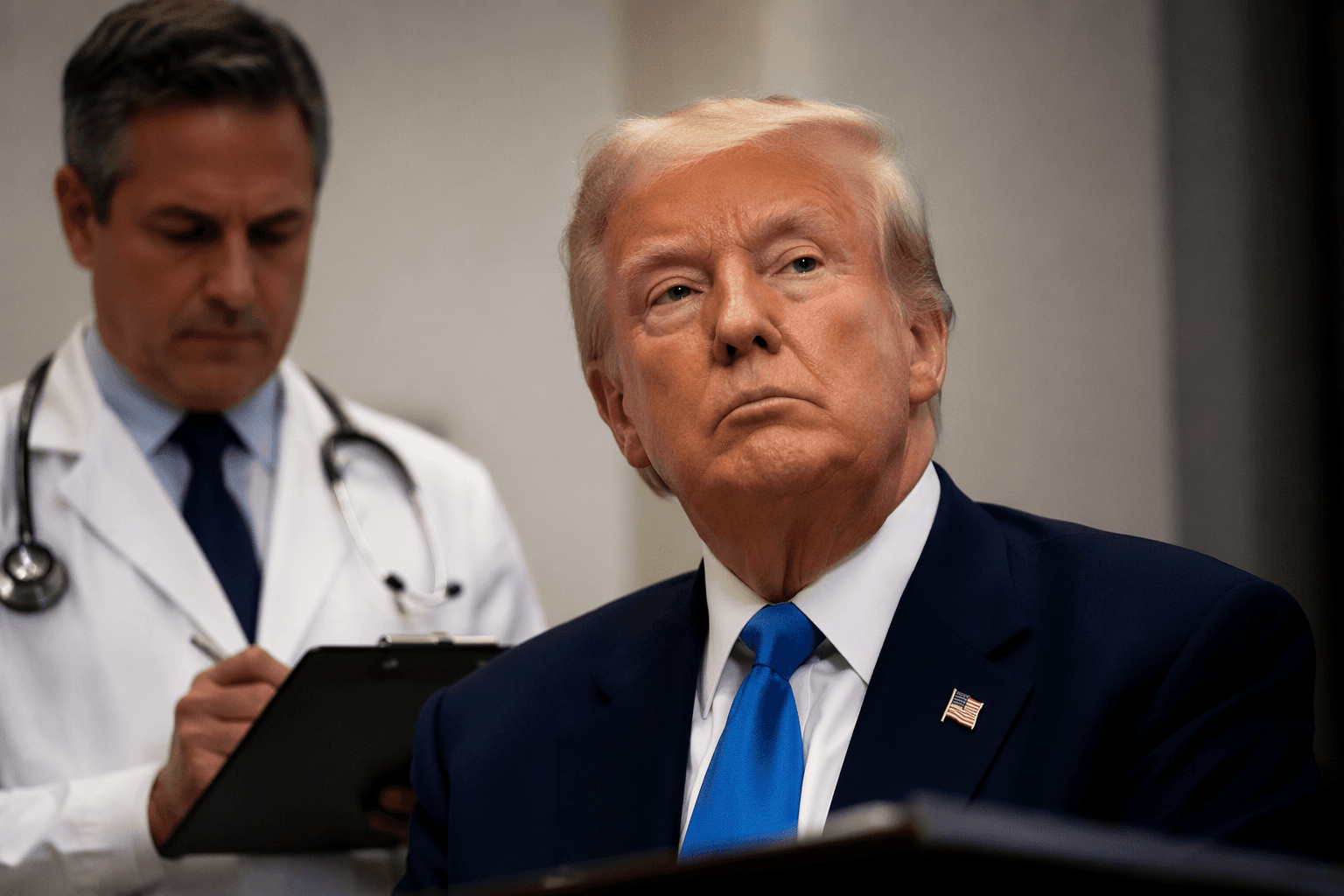
Donald Trump’s latest physical at Walter Reed National Military Medical Center did more than produce another clean bill of health. It reopened a larger question that has shadowed the presidency for generations: how much should Americans really know about the physical and mental condition of the person in the Oval Office?
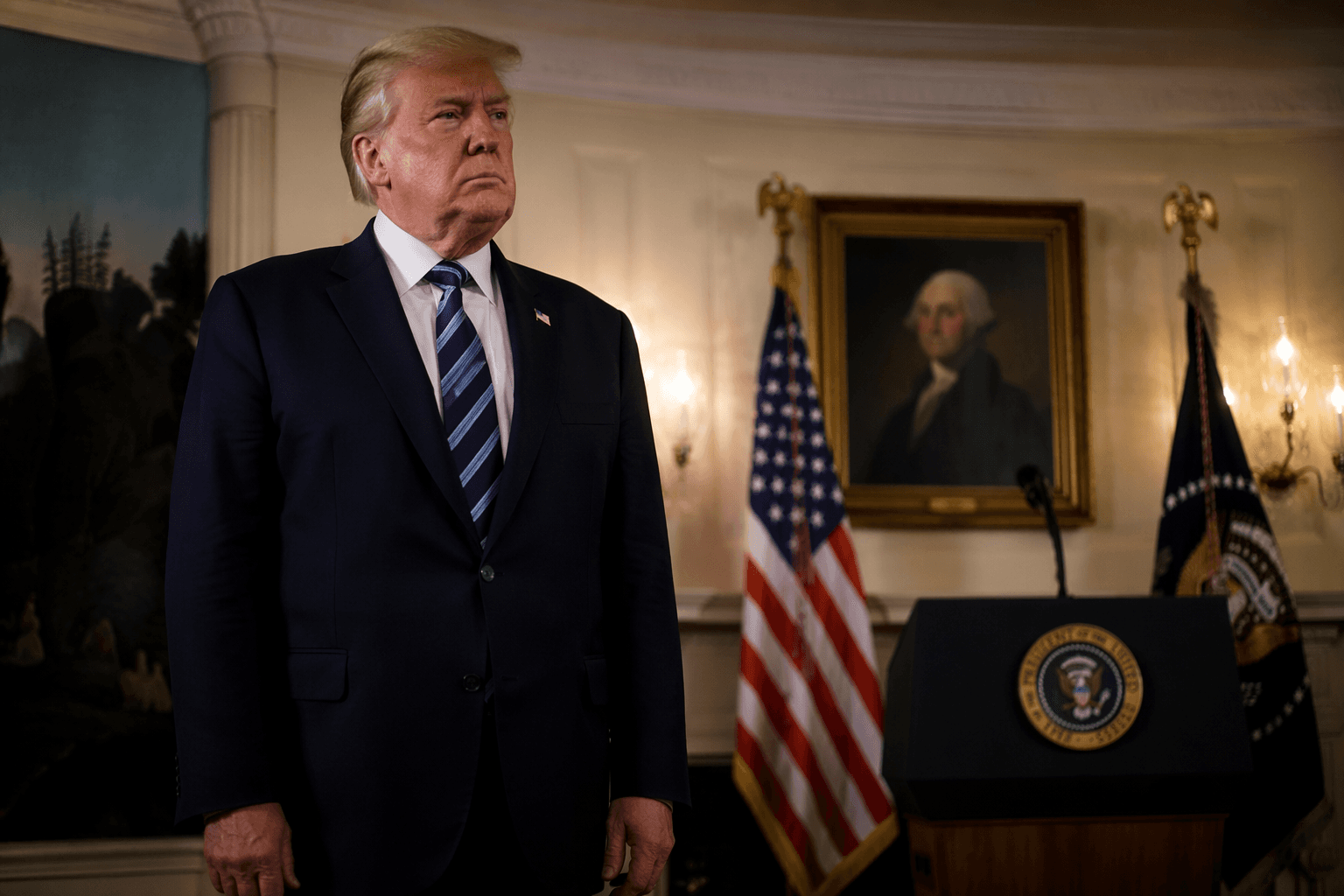
That question matters because modern presidents hold extraordinary power, yet the public gets only a limited, curated view of their health. The annual exam has become a ritual of reassurance, but it also functions as a political message, shaped by the White House, approved by the president, and released on the administration’s terms. In practice, the exam is as much about legitimacy as it is about medicine.
What Trump’s latest exam disclosed
Trump’s latest visit was his third in-person medical checkup in 13 months, and the White House described it as a routine annual preventive medical and dental assessment. At 79, with a birthday on June 14, 2026 that will make him 80, he remains the oldest person to assume the presidency, which keeps his physical condition under unusually intense scrutiny.
According to White House physician Sean Barbabella, Trump is in excellent health and fully fit to carry out all duties of the Commander-in-Chief. The report said the examination covered cardiac function, eye health, pulmonary function and a neurological exam, and that Trump scored 30 out of 30 on a cognitive screen. It also reported that he weighed 238 pounds, 14 pounds more than at his April 2025 visit, and that he is taking medication for cholesterol control and cardiac prevention.
The physician memo also addressed the details that have drawn the most public attention. Bruising on Trump’s hands was attributed to frequent handshaking combined with aspirin use, his coagulation profile was normal, and leg swelling tied to chronic venous insufficiency had improved. The report said an ultrasound showed preserved heart function, while preventive counseling included advice on diet, low-dose aspirin, increased physical activity and continued weight loss.
Why the optics matter as much as the exam
The White House has worked hard to project vitality around Trump’s health, pointing to his packed schedule and frequent interaction with reporters and world leaders. That framing is not incidental. For presidents, physical fitness is a political asset, and a reassuring health memo can function as a tool of image management just as much as a medical update.
Yet the public reaction shows how limited that reassurance can be. A Washington Post, ABC News and Ipsos poll in April 2026 found that less than half of U.S. adults believed Trump had the mental sharpness or physical health to serve effectively as president. That gap between official messaging and public trust is the central problem, because the presidency demands stamina, judgment and continuity, not just a favorable statement from the White House physician.
Trump’s health has also been the subject of additional disclosure. In December 2025, the White House said he underwent a CT scan to assess cardiovascular and abdominal health, a detail that added to the sense that his medical profile is being revealed only in fragments. Together, the scan, the bruising questions, the swelling and the annual checkup form a picture that is incomplete by design.
What the public is entitled to know, and what it is not
There is no law requiring a sitting president to release full medical records, and the Constitution does not define what counts as fit for office. The public therefore relies on voluntary disclosures that move through the White House before they reach voters, journalists and lawmakers. That makes presidential health reporting unusual among democratic systems, and uniquely vulnerable to selective disclosure.
The Twenty-Fifth Amendment, proposed in 1965 and ratified in 1967, addresses presidential disability and succession, but it does not create a medical standard for fitness. It answers what happens if a president cannot serve; it does not tell the country how much evidence should be shared before a crisis arrives. That leaves a wide gap between legal authority and public accountability.
This is where modern presidential health reporting can drift into theater. A physician memo that announces a patient is “fit” may satisfy the political need for closure, but it does not necessarily answer the voter’s question: what does the public need to know about the person exercising command authority over the federal government, the military and the nuclear arsenal?
History explains why confidence is so fragile
Presidential secrecy around health is not new. Historians and researchers have long pointed to examples of leaders minimizing or concealing serious medical problems, sometimes with consequences that extended beyond the individual presidency. The best-known case remains Woodrow Wilson, who suffered a severe stroke in 1919 and was effectively incapacitated for part of his presidency while Edith Wilson and aides controlled access to him.
That history is more than an archival footnote. It is part of the reason every new disclosure is scrutinized for what it says and what it leaves out. When the nation has seen how easily a president’s decline can be hidden, even routine checkups become politically charged documents.
The problem is structural. As the Lancet has argued, without an effective way to interrogate the health of sitting and potential presidents, the public remains dependent on voluntarily released reports. That means the White House can shape not only the timing of disclosure, but also the level of detail, the framing, and the degree of reassurance.
Why annual physicals are really about accountability
Trump’s latest exam is best understood as part of a larger contest over transparency. The question is not whether the physician can produce a positive summary, because that is exactly what the system is designed to do. The harder question is whether such summaries meaningfully equip voters to judge the physical and cognitive demands of the office.
That is why the annual presidential physical should not be treated as a final answer. It is a managed disclosure inside a political system that gives the White House broad control over what becomes public, while leaving Americans to infer fitness from a selective window into one of the most demanding jobs in the world. Until that changes, each routine exam will remain both a medical event and a test of democratic accountability.
This article was produced by Prism’s automated news system from verified source data, official records, and press releases, then run through automated quality and moderation checks before publishing. The system is built and supervised by the people who set the standards it runs under. Read our full AI policy.
Did this article answer your question?

