Trump's declassified election claims fail to support China allegations
Trump said China had 220 million voter files, but the declassified material released beside his White House speech did not back that claim.
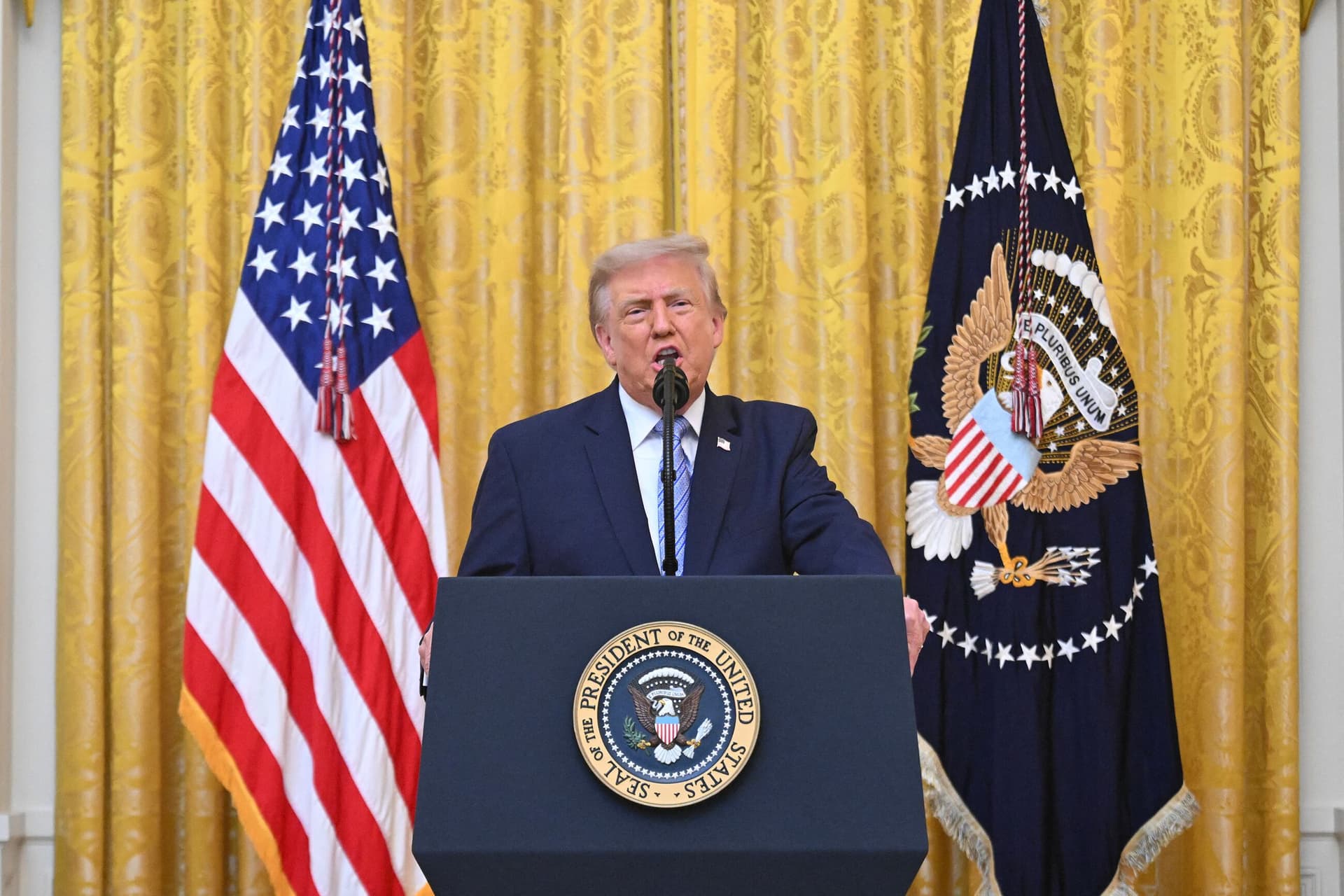
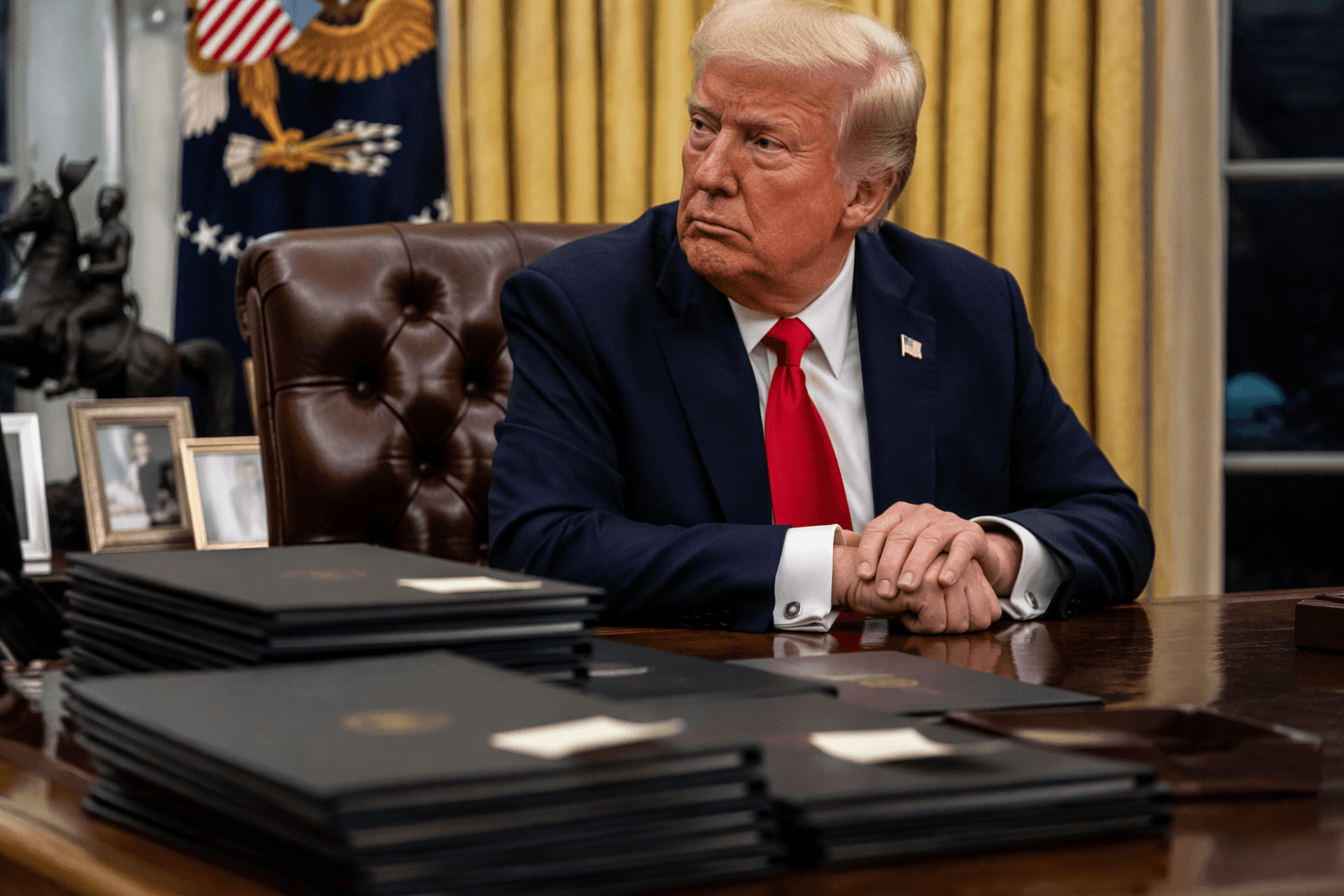
Donald Trump used a primetime White House address on Thursday, July 16, 2026, to accuse China of interfering in the 2020 election and to warn of what he called “shocking vulnerabilities” in American voting systems. He said he was declassifying sensitive information, and the White House posted a dedicated election-integrity page with the speech video and newly unclassified material meant to support his allegations.
The released documents did not match the scale of Trump’s claims. He said China had illicitly acquired 220 million U.S. voter files, but the material made public with the address did not substantiate that assertion or his most aggressive accusations about foreign interference. The gap between the rhetoric and the record was stark: the administration put official-looking documents behind the speech, yet the underlying evidence fell short of proving the sweeping story Trump told from the White House.
That contradiction cut against a declassified 2021 U.S. intelligence assessment that found no indication China or any other foreign actor compromised the integrity of the 2020 presidential election. The assessment was prepared under the National Intelligence Council with participation from the CIA, DHS, FBI, INR, Treasury and NSA. The declassified version did not include the full supporting information, but its bottom line remained clear: the intelligence community did not find foreign manipulation of the vote.
The Chinese Embassy in Washington denied interfering in U.S. elections. Trump nonetheless used the address to revive a line of attack he has pushed for years, repeating debunked claims that his 2020 loss was fraudulent. In recent months, he has intensified those claims and tied them to election-security concerns that federal investigators and intelligence officials have already examined repeatedly.
By packaging the speech with a White House election-integrity page and freshly released documents, Trump gave institutional weight to allegations that the intelligence record does not support. The result was not new proof of Chinese interference, but a national-stage example of how declassified material can be used to amplify claims that the underlying documents do not establish.
This article was produced by Prism’s automated news system from verified source data, official records, and press releases, then run through automated quality and moderation checks before publishing. The system is built and supervised by the people who set the standards it runs under. Read our full AI policy.
Did this article answer your question?