Trump’s Greenland pressure pushes independence icon toward Denmark
Aqqaluk Lynge once fought Denmark’s colonial grip. Trump’s annexation threats now have him arguing Greenland is safer inside the Danish realm.
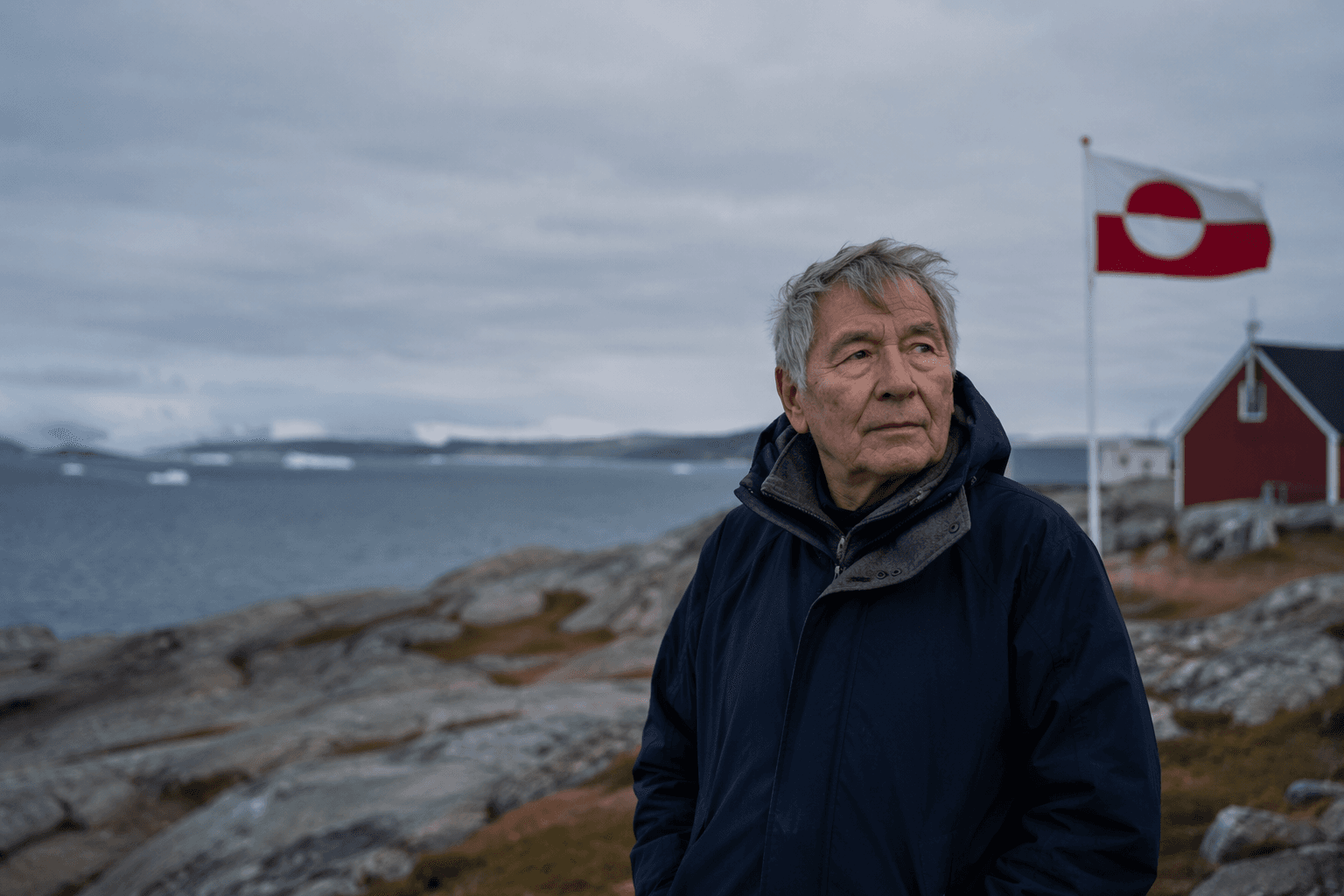
Donald Trump’s repeated calls for U.S. control of Greenland have driven one of the island’s best-known independence advocates into the arms of Denmark, a striking reversal that shows how outside pressure is reshaping Arctic politics. Aqqaluk Lynge, who helped found one of Greenland’s major pro-independence parties decades ago, once cast Denmark as an exploitative colonial power. Now he sees the United States as the more immediate danger.
That shift matters because Lynge is not a fringe voice. He has long been part of the political current that made independence one of Greenland’s defining debates, and his change of heart reflects a broader hardening of attitudes toward Washington. Lynge now argues that Greenlanders feel betrayed by the United States and that Denmark and Europe are the only powers that can help protect the island’s future. Trump’s rhetoric has turned sovereignty into a question of defense as much as identity.
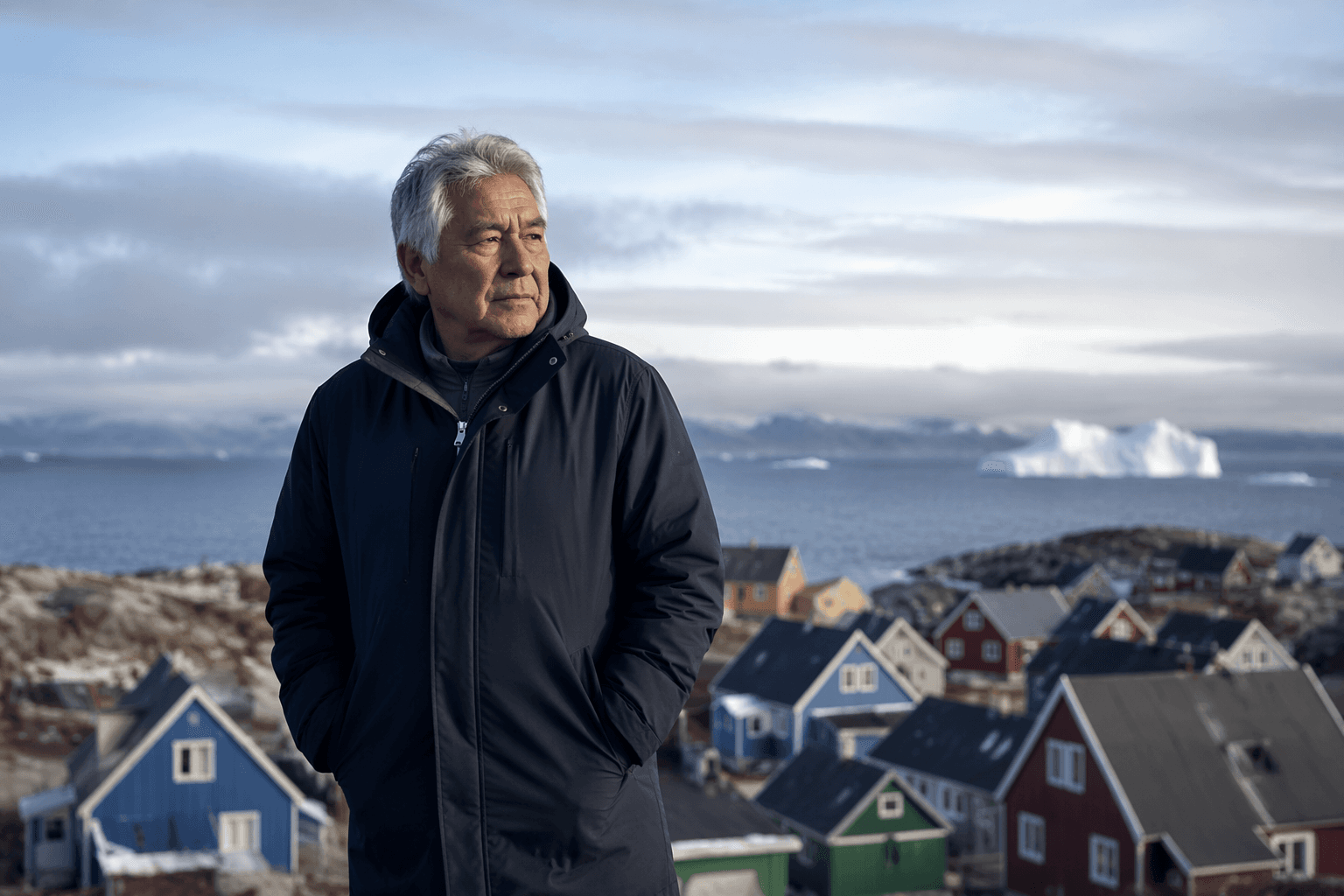
Greenland’s legal framework helps explain why the debate has become so charged. The Act on Greenland Self-Government came into force on June 21, 2009, replacing the home-rule arrangement from 1979. It recognizes Greenlanders as a people under international law with the right to self-determination. Yet with a population in the mid-50,000s, the island’s choices about diplomacy, labor supply, infrastructure and defense carry unusually high stakes.
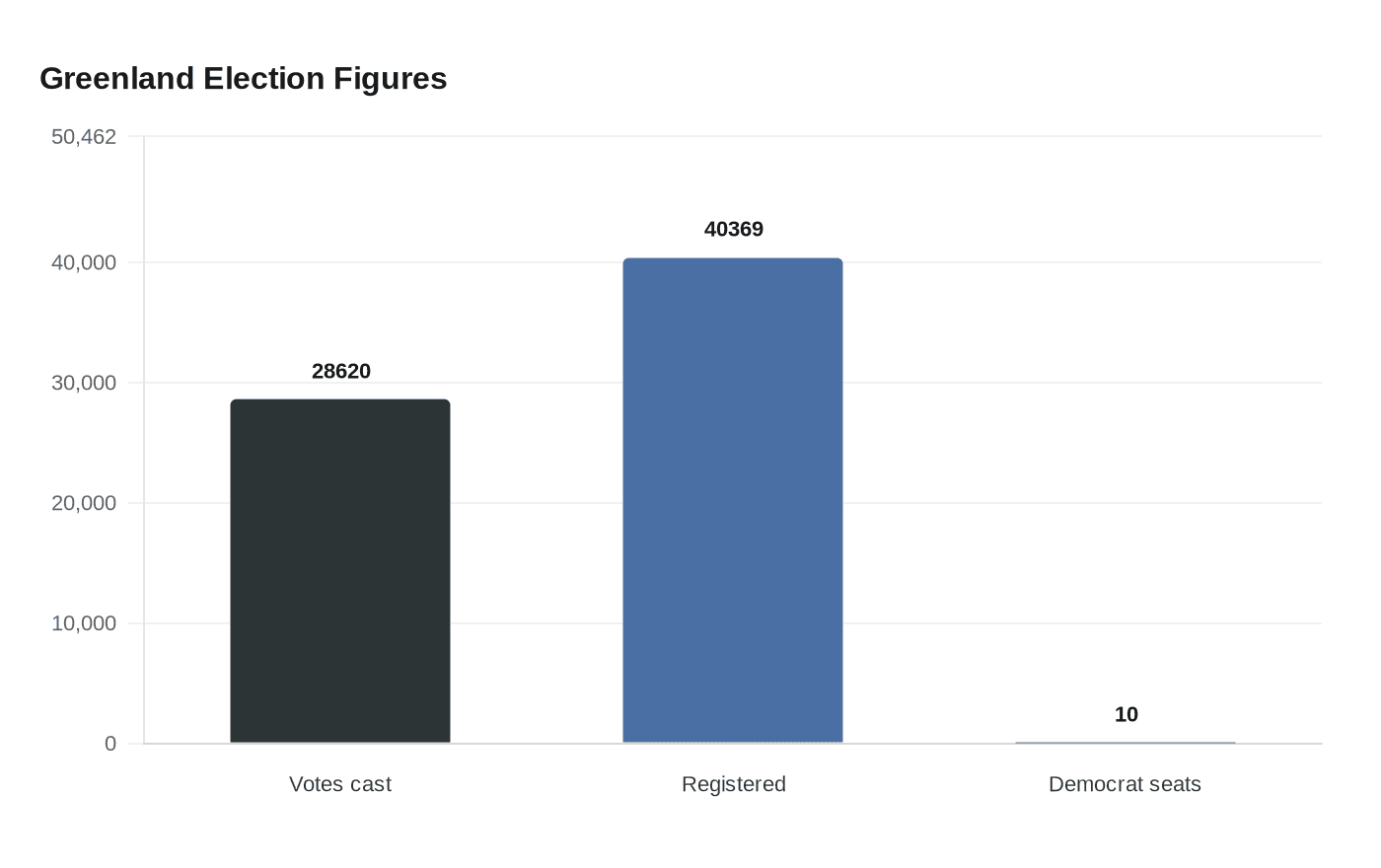
Those pressures were on display in the March 11, 2025 election to Inatsisartut, Greenland’s 31-seat parliament. Official data showed 28,620 votes cast from 40,369 registered voters. The Democrats won 10 seats, and independence remained the central issue in the campaign. But the result also pointed to a more cautious mood, with the winning party favoring a slower path than some rivals. After the vote, the new government ruled out any near-term push for independence and instead adopted a more measured approach.
The debate is unfolding against a difficult colonial backdrop that has not disappeared. More than 350 Greenlandic Indigenous women and girls, some as young as 12, reported that they were forcibly given contraception by Danish health authorities in cases dating back to the 1960s. Danish authorities later apologized. Even so, Trump’s annexation threats have sharpened the immediate fear on the island, and leaders in Copenhagen and Nuuk have said Greenland’s sovereignty is not negotiable. Danish Prime Minister Mette Frederiksen has publicly told Trump to stop threatening Greenland.
For Greenland, the result is a political reversal with long-term consequences. The old argument was decolonization versus dependence. Trump has made the new argument security versus exposure, and for some former separatists, that has made the Danish realm look like the safer shield.
This article was produced by Prism’s automated news system from verified source data, official records, and press releases, then run through automated quality and moderation checks before publishing. The system is built and supervised by the people who set the standards it runs under. Read our full AI policy.
Did this article answer your question?