Trump’s insults at Newsom revive harmful myths about dyslexia
Trump’s attack on Gavin Newsom revived a damaging myth about dyslexia, hitting students and adults who know the condition has nothing to do with intelligence.

Donald Trump’s insults at Gavin Newsom did more than intensify a political feud. They revived a stubborn and painful misunderstanding about dyslexia, landing hard on people who have spent years fighting the idea that a learning disability reflects intelligence.
For Lauryn Muller, an 18-year-old incoming Auburn University student in Coral Springs, Florida, the words carried a personal sting. Trump called Newsom “stupid,” “low IQ,” “mentally disabled” and unfit to become president, language that brought Muller back to her own childhood struggles learning to read and to the fear that something was wrong with her. Newsom, a Democrat widely expected to be a 2028 presidential contender, became the target of a line of attack that reached far beyond California politics.
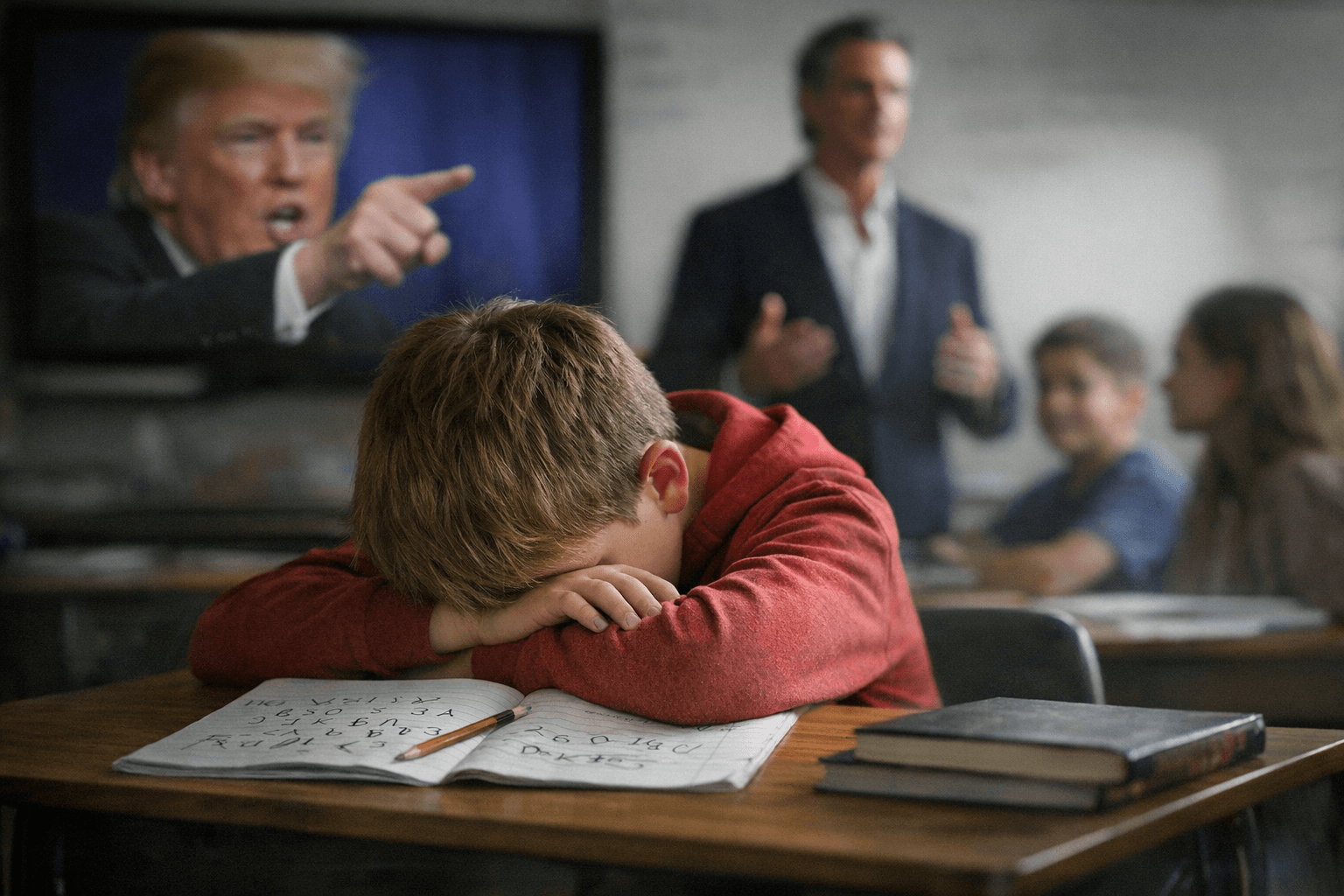
The facts behind dyslexia tell a different story. The National Institutes of Health has found that children with dyslexia show similar brain-activity patterns regardless of high or low IQ scores. The American Psychiatric Association says specific learning disorders are neurodevelopmental disorders, estimates that 5% to 15% of school-age children struggle with a learning disability, and says about 80% of people with learning disorders have an impairment in reading, commonly called dyslexia. The association also says dyslexia affects about 20% of the population and affects males and females equally.
The reaction cut across party lines. Muller’s mother, Marilyn, voted for Trump three times and still supports his politics, but she also called the comments ignorant. Trump’s language also conflicted with what he said during his first term, when he praised the “extraordinary contributions” of people with dyslexia and noted that their ranks include top industry executives and inventors. In March 2026, Newsom pushed back after Trump posted about his dyslexia and called it a “mental disorder,” saying he had spoken openly about the condition.
The harm is not abstract. The American Psychiatric Association says untreated learning disorders can contribute to psychological distress, poorer mental health, unemployment, underemployment and dropping out of school. Scholars trace modern dyslexia debates back to the 1870s, showing how long the condition has been entangled with arguments over reading ability and intelligence. Trump’s attack on Newsom may have been aimed at a political rival, but its effect was broader: it gave fresh oxygen to a stigma that students, families and adults with dyslexia are still trying to overcome.
This article was produced by Prism’s automated news system from verified source data, official records, and press releases, then run through automated quality and moderation checks before publishing. The system is built and supervised by the people who set the standards it runs under. Read our full AI policy.
Did this article answer your question?

