Trump’s Iran deal sparks GOP backlash over sanctions relief
Trump’s interim Iran accord gave Tehran sanctions relief and a $300 billion fund, triggering GOP warnings that he traded leverage for promises.
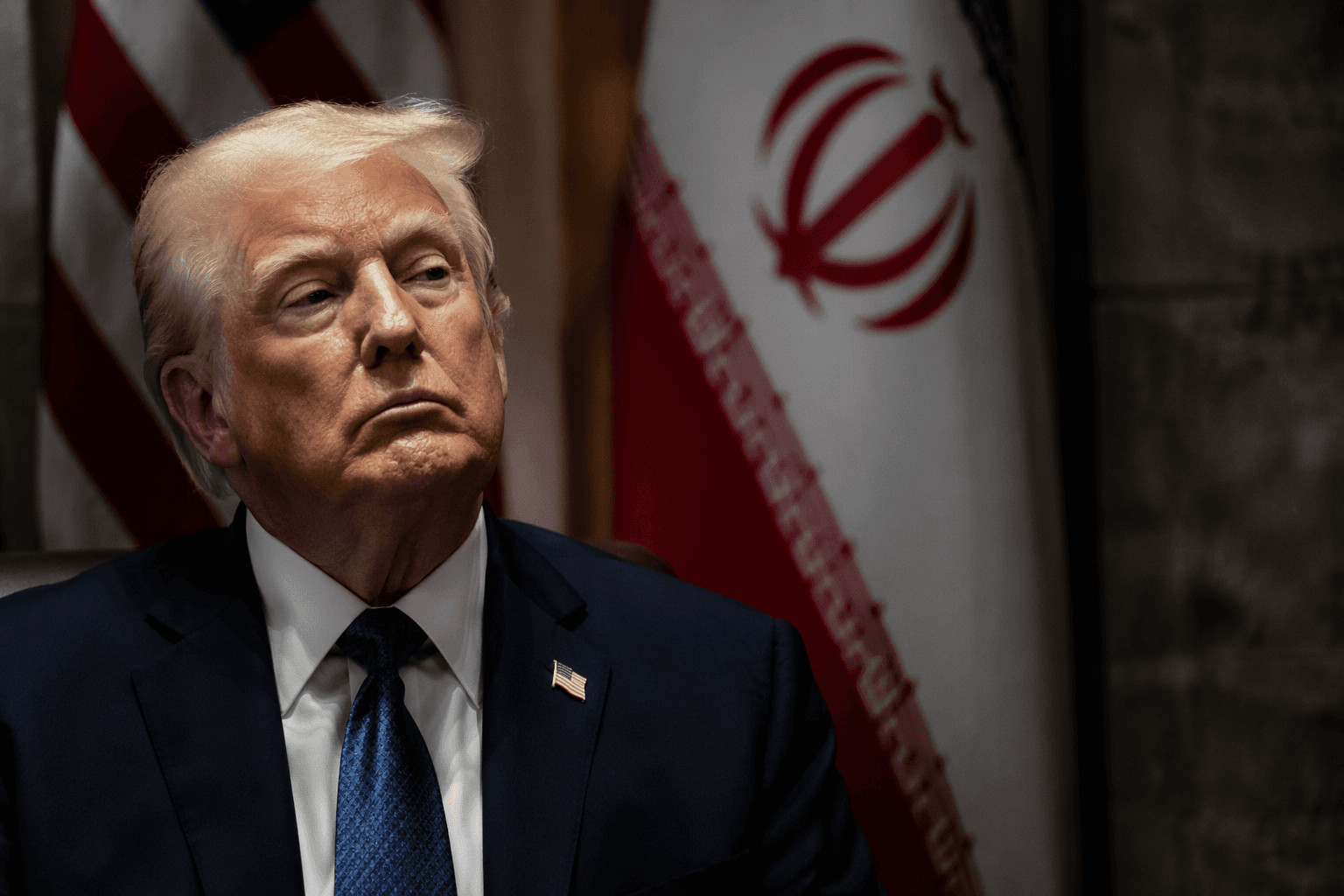
Donald Trump’s Iran agreement landed in Washington like a concession list, not just a diplomatic win. The interim deal reportedly gave Iran sanctions relief, a $300 billion economic development and reconstruction fund, and a 60-day window to negotiate a final accord while leaving the core nuclear question unresolved.
That gap between breakthrough rhetoric and political cost is already driving the backlash. Lawmakers from both parties have demanded congressional review before the arrangement is locked in, and several Republican senators, including Lindsey Graham, Bill Cassidy, Ted Cruz and John Cornyn, have questioned whether Trump handed Iran economic relief without forcing an immediate halt to enrichment or the surrender of highly enriched uranium stockpiles.
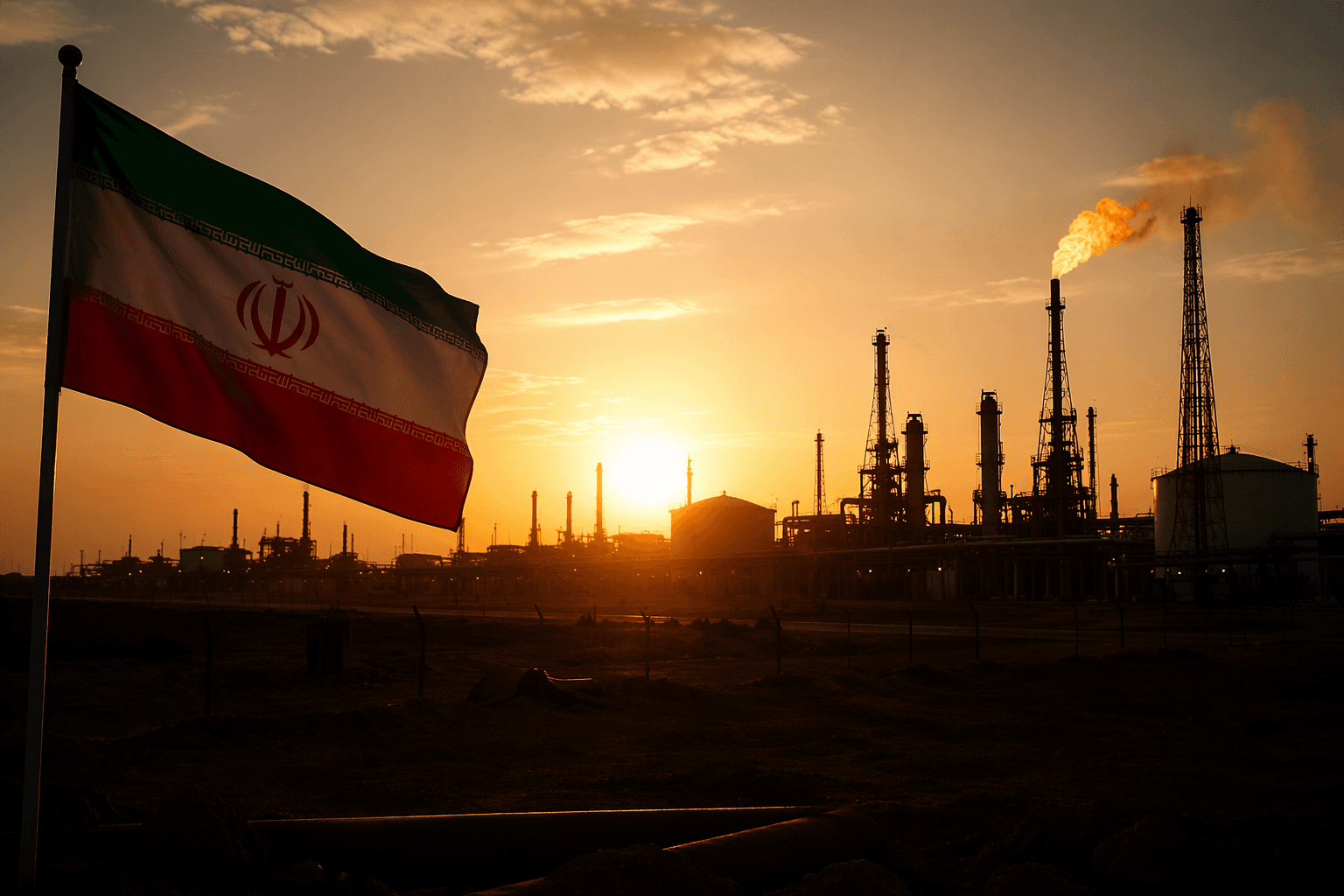
Trump has pushed back aggressively, attacking critics as “fools,” but the fight is now inside his own party as much as across the aisle. The deal is also being cast as the first signed by an American and an Iranian president since Iran’s 1979 Islamic Revolution, a historic marker that cuts both ways: it gives Trump a diplomatic claim, yet also raises the political stakes if the promised restrictions do not materialize.
The domestic criticism echoes the long battle over the 2015 nuclear accord, the Joint Comprehensive Plan of Action, finalized on July 14, 2015. Under that deal, Iran’s centrifuges were to be reduced by two-thirds for 10 years, and Barack Obama said it would block every pathway to a nuclear weapon and constrain Iran’s stockpile for 15 years. Trump withdrew the United States from that agreement in 2018, making the current compromise especially vulnerable to charges of inconsistency.
The immediate regional impact may help Trump with markets and foreign-policy hawks, at least for now. Reports say the accord reopened the Strait of Hormuz and pushed oil prices lower, easing fears of broader disruption in The Gulf. But the same deal leaves Israel, Gulf states and American credibility exposed if the follow-on talks fail, turning a claimed diplomatic breakthrough into a potential liability that could follow Trump well beyond the 60-day negotiating period.
This article was produced by Prism’s automated news system from verified source data, official records, and press releases, then run through automated quality and moderation checks before publishing. The system is built and supervised by the people who set the standards it runs under. Read our full AI policy.
Did this article answer your question?

