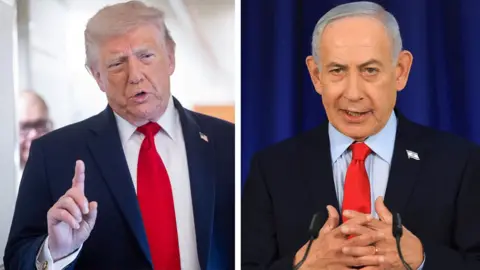
Trump’s Iran plans collide with Netanyahu’s war strategy
Trump wants a quick Iran deal, but Netanyahu’s Lebanon escalations keep dragging Washington back toward war.
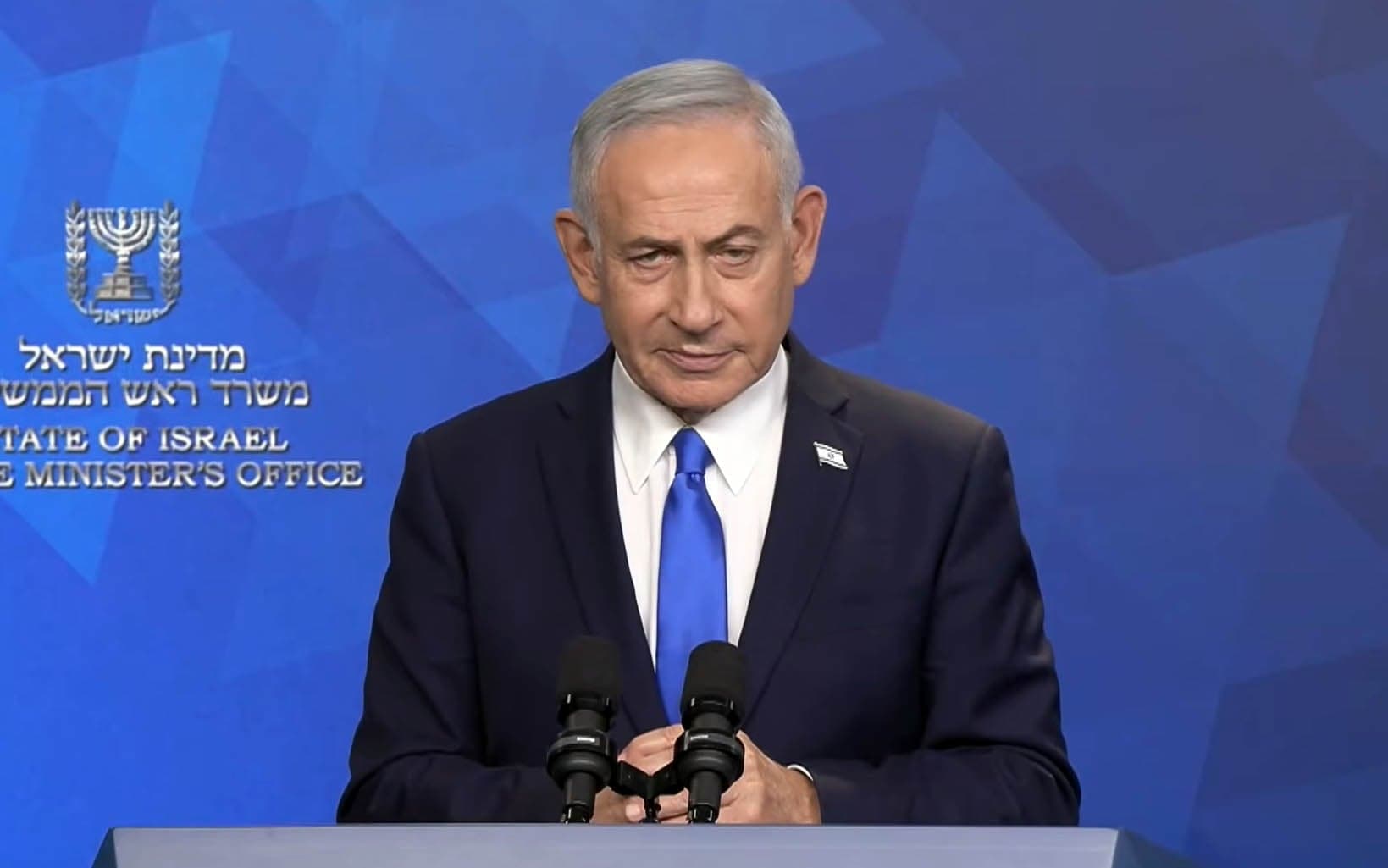
Trump’s push to end the Iran conflict is colliding with Benjamin Netanyahu’s instinct to keep pressure on Hezbollah and Iran, and the clash is exposing a new limit in Israeli diplomacy. For years, Netanyahu could work different Republican lanes on Capitol Hill; now Trump’s dominance over the GOP gives the White House far more leverage and far fewer places for Israel to turn.
Netanyahu’s old Washington playbook is running out
The core political shift is simple: Trump no longer needs Republican factions to push him in one direction or another. A Washington Post analysis said Netanyahu has long exploited divisions in Washington, but Trump’s grip on the Republican Party gives him unusual leverage over Israel’s next moves. That matters because the party is no longer uniformly pro-Israel in the way it once was, and Israeli outreach that once worked across the Republican spectrum now has to pass through a single Trump-centered channel.
The numbers show why that matters. In a POLITICO poll, nearly half of MAGA Trump voters said they back Israel and approve of the current Israeli government’s actions, compared with just 29 percent of non-MAGA Trump voters. Among Republicans under 50, support has also softened: a 2025 Pew survey found only 48 percent had a positive view of Israel, down from 63 percent in 2022. That means Netanyahu is still dealing with a friendly wing of the GOP, but the broader coalition is more fractured than it used to be.
Lebanon has become the tripwire
The immediate source of the rupture is Lebanon. Axios reported that Trump hit the brakes on Netanyahu’s plan to bomb Hezbollah targets in Beirut after Iran threatened to walk away from negotiations with Washington over Israel’s actions in Lebanon. Reuters later reported that Israel and Lebanon agreed to a ceasefire on June 3, in a move that was supposed to improve the odds of a broader settlement with Tehran.

That is where Trump’s frustration is clearest. He publicly warned Israel not to strike Beirut, but when Israeli operations continued, Iran fired missiles at Israel for the first time since the April ceasefire, and Israel then struck Iran. Reuters said Tehran made clear that any truce with Washington remained tied to an end to fighting in Lebanon, while Hezbollah-linked attacks kept the risk of escalation alive. In practical terms, Lebanon is no longer a side theater; it is the condition that can make or break Trump’s Iran diplomacy.
Trump’s own politics are shaping the war
Trump’s urgency is not only diplomatic, it is domestic. The Associated Press reported that he wants to wind down an unpopular war and reopen the Strait of Hormuz to ease gas prices, while Iran says a full ceasefire in Lebanon is essential to any deal. AP also noted that oil prices had surged and that even some former supporters accused Trump of dragging the U.S. into another Middle East quagmire, a warning sign for Republicans heading into November’s congressional elections.
The economic stakes are real. Reuters said oil prices rose as much as 5 percent after the latest exchanges, and that the Strait of Hormuz, before the war, carried about a fifth of the world’s crude oil and liquefied natural gas. That is why Trump keeps talking as if he can contain the fighting fast: the longer the conflict disrupts shipping and energy markets, the more it bleeds into inflation politics and the less room he has to sell a successful deal at home.
Netanyahu is chasing a different end state
Netanyahu’s incentives point in the other direction. AP reported that Israel’s leadership wants to stop Hezbollah attacks and prove it is winning the war against Iran and its allies, even if that requires a prolonged campaign. In the same analysis, AP said Netanyahu also has to manage Israel’s relationship with its most important ally without appearing to bow to Washington, a balancing act that grows harder as Trump becomes more forceful in public and in private.
That tension is now visible in the language both men use. Reuters reported that Trump told Netanyahu he might end up fighting alone if he resumed the war, and Trump later told the Financial Times, “I call the shots. I call all the shots. He doesn’t call the shots.” Foreign Policy reported the same message as Trump tried to assert command over the conflict after Israeli strikes in Beirut and Iranian retaliation. Those are not the words of a president deferring to an ally; they are the words of a president trying to discipline one.
What this means for lobbying, diplomacy, and military decisions
For Israel, the strategic lesson is that lobbying Washington now looks different from it did even a year ago. It is less about courting multiple Republican factions and more about avoiding a direct clash with Trump, because Trump’s influence over the GOP makes him the main gatekeeper. At the same time, the deeper fractures inside the party mean pro-Israel messaging can no longer assume automatic support from every conservative lawmaker or activist base.
That changes military decision-making as well. When Washington can credibly threaten to leave Israel “on your own,” as Reuters reported Trump told Netanyahu, every strike carries a diplomatic cost, not just a battlefield one. Israel’s leaders now have to weigh whether a tactical hit on Hezbollah or Iran advances their immediate security goals, or whether it undercuts the larger American effort to freeze the war, stabilize energy markets, and lock in a deal before the next political shock arrives. The shrinking space between those goals is exactly where the crisis is now being decided.
This article was produced by Prism’s automated news system from verified source data, official records, and press releases, then run through automated quality and moderation checks before publishing. The system is built and supervised by the people who set the standards it runs under. Read our full AI policy.
Know something we missed? Have a correction or additional information?
Submit a Tip