Trump’s Iran talks spark confusion as deal details remain unclear
Trump said an Iran deal was nearly done, then urged negotiators to slow down, leaving allies, markets and diplomats unsure what Washington actually wants.
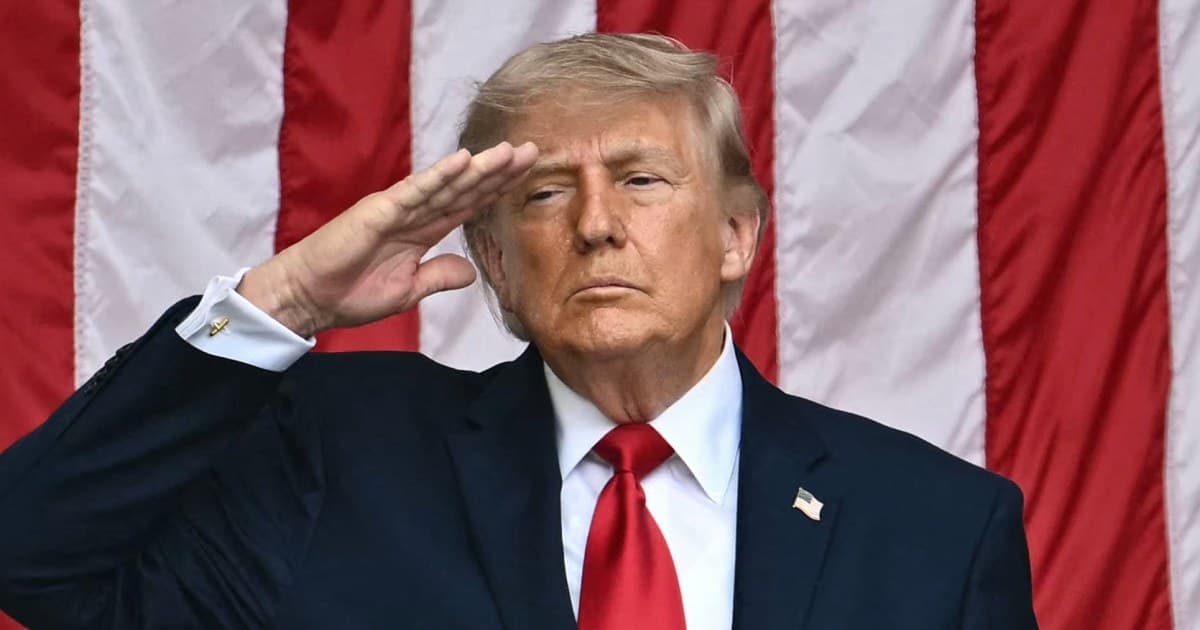
Donald Trump’s weekend messaging on Iran sent mixed signals at the very moment his team was trying to turn talks into a deal. On Saturday, May 23, Trump wrote on Truth Social that an agreement with Iran had been “largely negotiated” and would be announced shortly, framing the effort as a package involving the United States, Iran and “various other Countries.”
That upbeat note quickly collided with a more cautious message. By Sunday, May 24, Trump said negotiations were still proceeding and told his team not to rush, insisting that “time is on our side.” The shift deepened uncertainty over whether Washington had a completed agreement, a narrow framework, or only a political outline meant to buy more time. It also left allies in the region trying to infer U.S. intentions from posts rather than a settled diplomatic text.
The confusion was amplified by the scope of the outreach behind the scenes. Trump had spoken with leaders from Saudi Arabia, the United Arab Emirates, Qatar, Pakistan, Turkey, Egypt, Jordan and Bahrain, along with Israeli Prime Minister Benjamin Netanyahu. Yet even with that regional circuit in motion, the central questions remained unresolved. It was still unclear whether any arrangement would impose formal limits on Iran’s nuclear program, missile development or proxy activity. Some accounts described the emerging formula as an interim understanding or memorandum of understanding rather than a final peace deal.
The Strait of Hormuz remained the strategic pressure point. U.S. officials were still seeking a broader settlement that would end the Iran conflict and reopen the waterway, a critical shipping lane for global energy flows. Any continued blockade or closure threatens oil shipments, raises freight costs and feeds inflation concerns far beyond the Gulf. Trump has already shown how his public commentary can complicate those calculations: on April 23, Bloomberg reported that his social posts, combined with a continuing naval blockade, were hindering diplomacy, including efforts mediated through Pakistan.
The result is a familiar policy problem with immediate market consequences. A president’s social feed can move faster than the negotiators trying to write the terms, and in this case the gap between official diplomacy and presidential improvisation has made it harder for allies, traders and the public to tell whether the United States is nearing a binding Iran accord or simply floating one more provisional statement.
This article was produced by Prism’s automated news system from verified source data, official records, and press releases, then run through automated quality and moderation checks before publishing. The system is built and supervised by the people who set the standards it runs under. Read our full AI policy.
Know something we missed? Have a correction or additional information?
Submit a Tip