Trump's Iran War Timeline Falls Short of Investor Hopes, Analyst Says
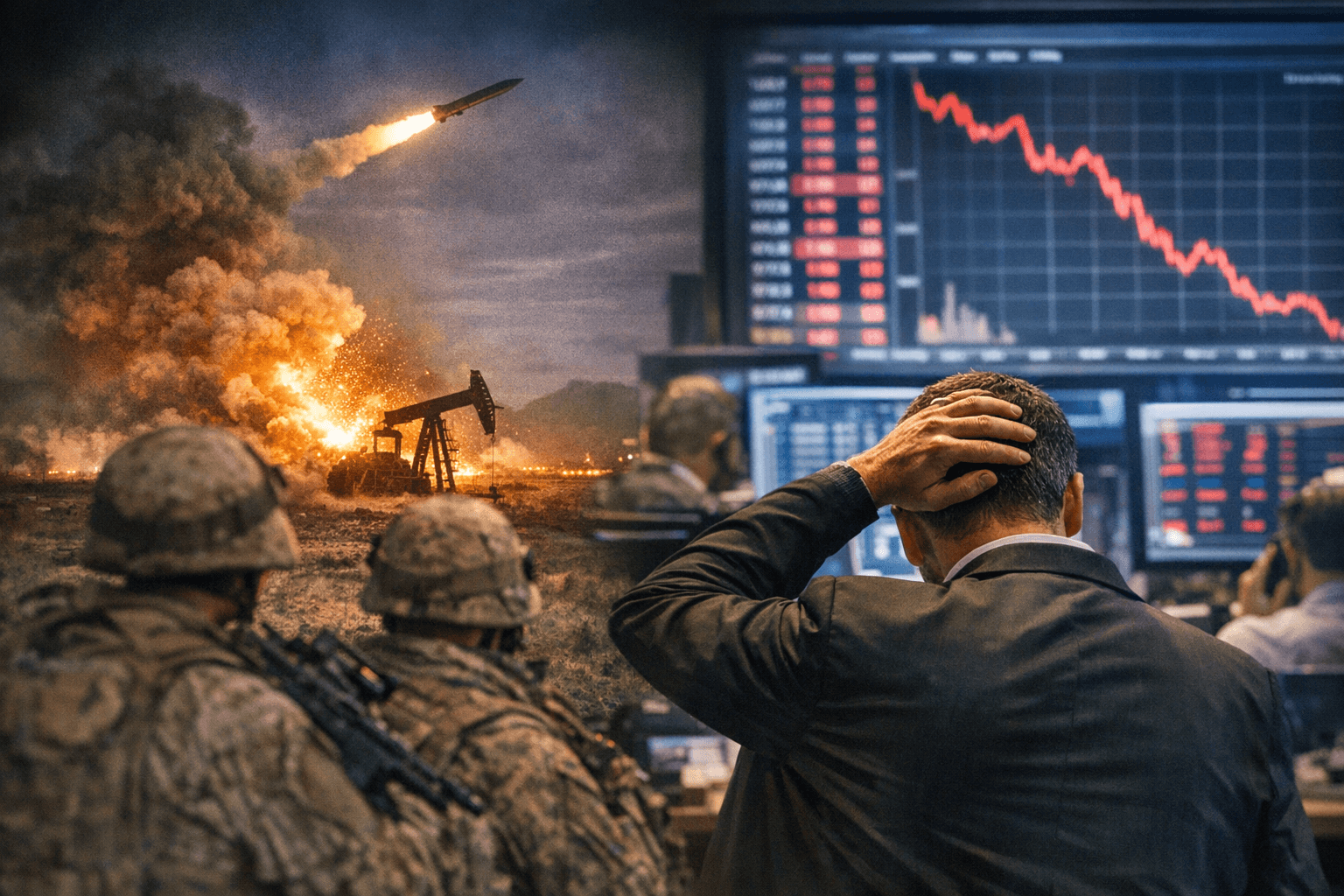
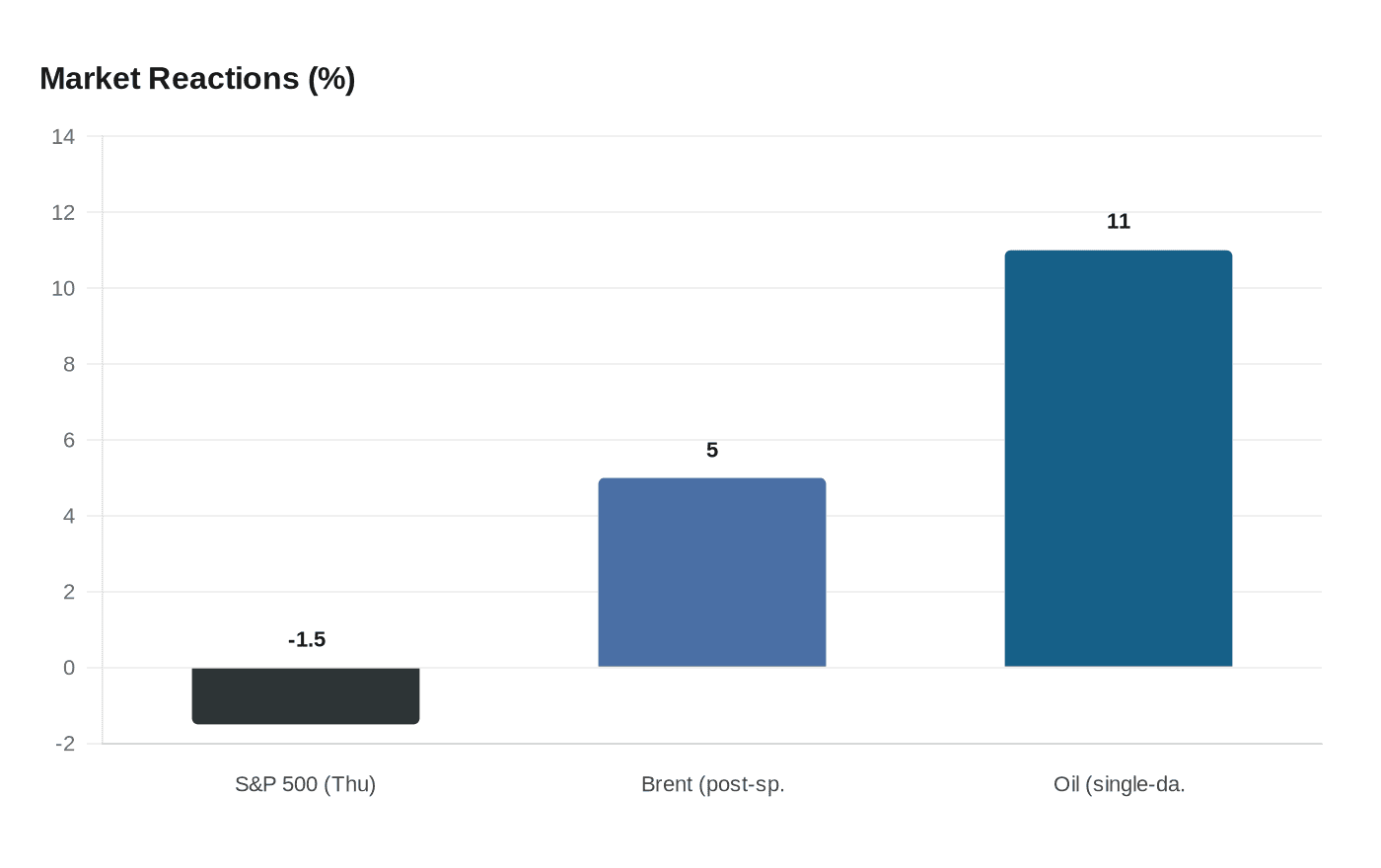
Trump's April 1 address pledged 2-3 more weeks of strikes on Iran with no Hormuz plan, sending oil up 11% and the S&P 500 down 97 points on Thursday.

President Trump's April 1 address to the nation on the Iran war delivered a two-to-three-week extension of military operations but no strategy for reopening the Strait of Hormuz, a gap that drove oil prices to an 11% single-day surge and sent stocks sliding Thursday.
The 20-minute speech left markets contending with a bleaker picture than many investors had anticipated. "Markets were beginning to price in more certainty, but this speech reintroduces more ambiguity," said Nigel Green, CEO of deVere Group. "What they've heard now is far less definitive, and that uncertainty is likely to drive volatility across asset classes."
The S&P 500 fell 97 points, or 1.5%, Thursday, extending what has become the index's worst quarterly performance since September 2022. The Brent crude contract for June jumped roughly 5% to $106.16 per barrel after the speech. Buyers of physical U.S. oil barrels were paying nearly $120 in Houston, a premium of about $5.50 over the May futures contract, according to Tom Kloza, an independent oil analyst at Kloza Advisors.
Trump claimed Iran's offensive capabilities were "essentially decimated" after more than a month of fighting, but said the U.S. would continue striking targets over the next two to three weeks. He did not present a plan to reopen the Strait of Hormuz, the vital sea route that Iran has effectively shut down with its attacks on tankers. "The United States imports almost no oil through the Hormuz Strait and won't be taking any in the future. We don't need it," Trump said, placing the burden of reopening the passage on countries reliant on the route.
That position alarmed analysts across multiple markets. "With no plans to reopen the Strait of Hormuz that he effectively closed, oil prices are to remain high indefinitely," said Matt Simpson, senior market analyst at Stonex in Brisbane. John Kilduff, founding partner at Again Capital, was more direct: "The speech was a disaster."
Prashant Newnaha, senior rates strategist at TD Securities, said the Strait's status remained the central question for markets. "The only thing that really matters is whether the Strait of Hormuz will open soon. Trump's speech doesn't imply this is likely to happen as quickly as the markets were expecting." TD Securities has warned that oil stored on tankers will draw down quickly and onshore inventories could fall to multi-year lows as early as August.
Diplomats from more than 40 countries held a virtual meeting Thursday to discuss diplomatic and political options for reopening the waterway. The U.S. was not attending. U.K. Foreign Secretary Yvette Cooper said Iran had "hijack[ed] an international shipping route to hold the global economy hostage."
Investors had briefly raised their risk exposure earlier in the week after Trump posted on Truth Social that Iran had requested a ceasefire, but the April 1 speech reversed those positions sharply. Gas prices averaged $4.06 nationally, with analysts warning the fallout could last months or years depending on conditions at the strait. "Markets will only recover in a true and sustainable way once global energy markets begin to normalize," said Kyle Rodda, senior financial market analyst at Capital.com.
This article was produced by Prism’s automated news system from verified source data, official records, and press releases, then run through automated quality and moderation checks before publishing. The system is built and supervised by the people who set the standards it runs under. Read our full AI policy.
Did this article answer your question?

