Trump’s Jan. 6 payout fund faces bipartisan backlash and court challenge
Trump’s $1.8 billion payout fund, tied to his IRS lawsuit, has drawn a court halt and rare GOP backlash after he left open cash for Jan. 6 rioters.
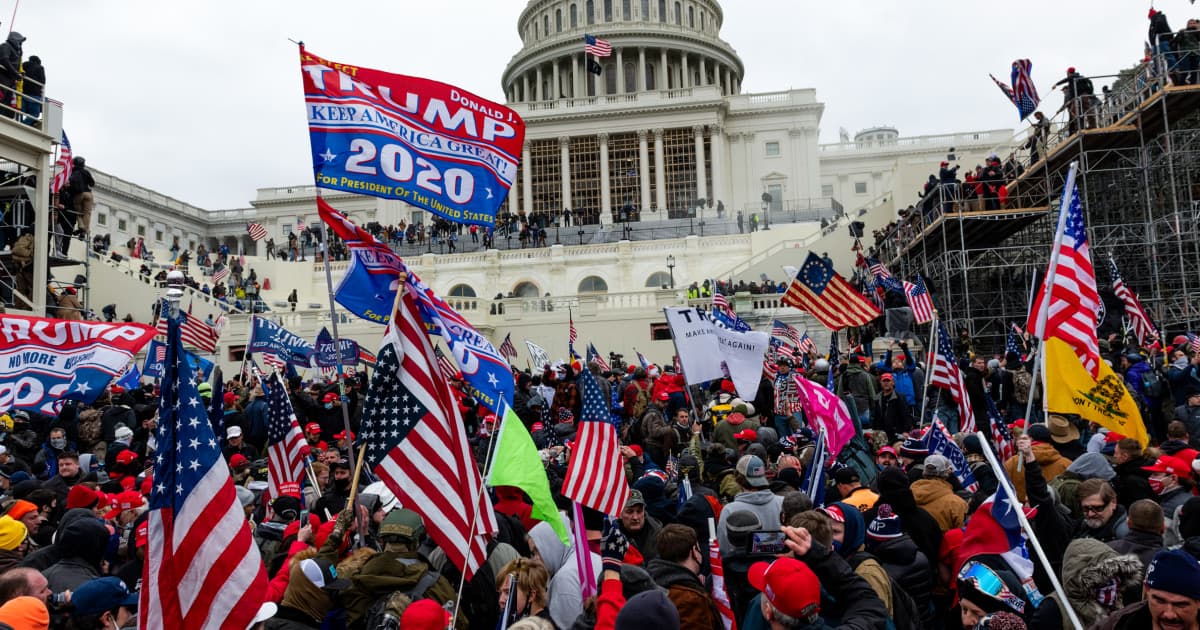
A Trump-backed compensation fund meant to address claims of government abuse has collided with the politics of Jan. 6, exposing how far Republicans are willing to go before the party’s support fractures. The $1.8 billion anti-weaponization fund is now under court challenge, and the White House is trying to contain the damage after Trump publicly left open the possibility of taxpayer payouts to some people convicted in the Capitol attack.
The controversy sharpened after Acting Attorney General Todd Blanche said the Justice Department would not move forward with the fund, even as the administration did not fully commit in writing to shut it down. A federal judge in Virginia temporarily blocked work on the fund after a lawsuit by a former Jan. 6 prosecutor and Capitol Police officers, and a hearing was set for June 12. The Justice Department said it would abide by the court’s ruling, but the fund’s future remained uncertain.
That uncertainty has pulled Republicans into an uncomfortable test of loyalty. On NBC News’ Meet the Press, taped June 5 and aired June 8, Trump defended the fund as a “great idea” and said some Republicans agreed with him. But Senate Republicans had already balked, and White House officials relayed a retreat to top Republicans on Capitol Hill on June 1. GOP lawmakers now say they are taking Blanche at his word that the fund is effectively dead, but Trump’s comments revived the dispute.
The split is not just partisan. Sen. Dick Durbin, D-Ill., warned that “doling out compensation to rioters” would be “absurd and offensive,” and asked for documents spelling out eligibility rules. Sen. Josh Hawley, R-Mo., said the fund should be for people whose constitutional rights were violated, not those who violated others’ rights. Sen. Adam Schiff, D-Calif., said he plans legislation to bar anyone convicted of Jan. 6 offenses or interfering in recent presidential elections from receiving taxpayer-funded federal payouts tied to the Capitol attack.
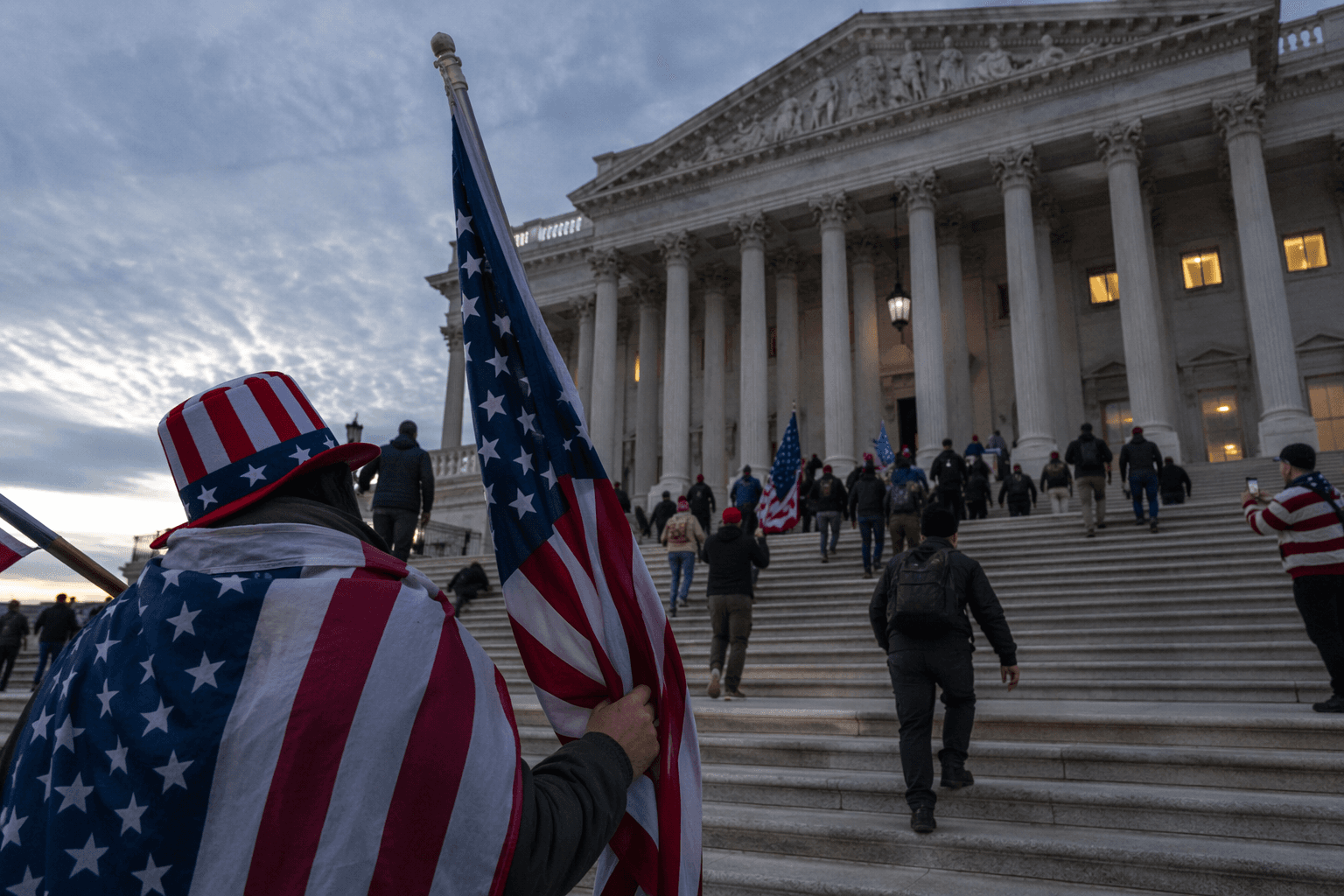
The stakes are amplified by the violence of Jan. 6 itself. More than 140 police officers were injured, 15 were hospitalized and four died later. More than 1,580 people were charged in federal court over the attack, and more than 1,000 pleaded guilty. Trump pardoned or commuted sentences for nearly all Jan. 6 defendants on his first day back in office, January 20, 2025, including commutations for 14 people convicted on more serious charges.
The fund originated in a highly unusual settlement tied to Trump’s January 2026 lawsuit over leaked IRS tax returns involving him and the Trump Organization. Critics called it a slush fund from the start, and separate lawsuits from Capitol Police officers and others have turned the dispute into a broader question of whether the administration can route public money around Congress. Even if the fund is abandoned, legal experts have said the administration may still turn to the Treasury’s Judgment Fund to settle claims against the government.
This article was produced by Prism’s automated news system from verified source data, official records, and press releases, then run through automated quality and moderation checks before publishing. The system is built and supervised by the people who set the standards it runs under. Read our full AI policy.
Know something we missed? Have a correction or additional information?
Submit a Tip