Trump’s priorities spark Republican resistance ahead of midterm elections
Republicans are openly rebuking Trump over Iran, a ballroom plan and a compensation fund as polls show weak approval on costs and immigration before 2026.
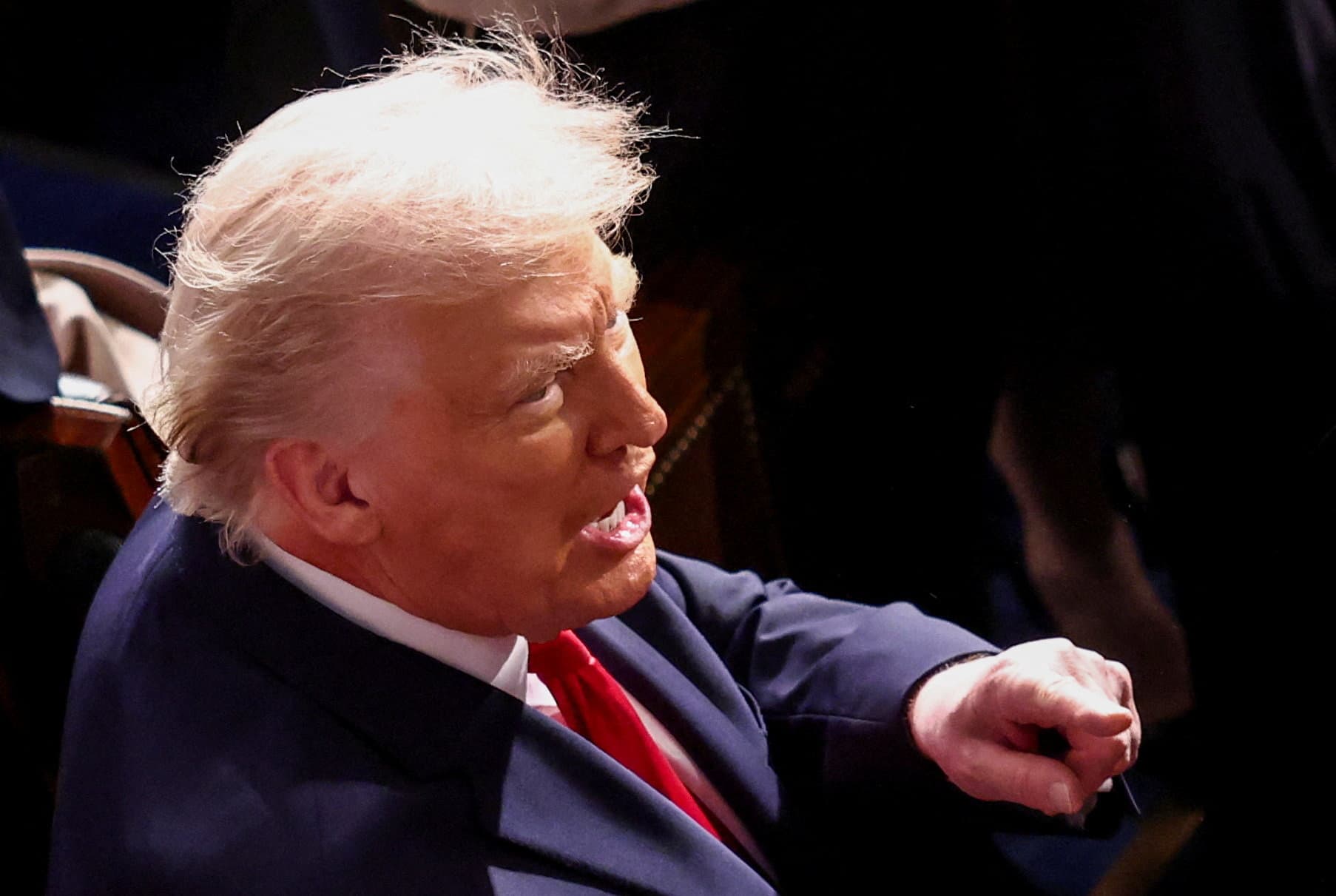
Donald Trump’s grip on the Republican Party is colliding with the party’s midterm math, with senators and House members increasingly willing to break with him over fights that do little to ease voter anxiety about prices, jobs and the economy. Sen. Thom Tillis called Trump’s new compensation fund “stupid on stilts,” then Trump hit back on Truth Social by branding Tillis “weak and ineffective” and a “Nitpicker.”
The rupture has spread well beyond one senator. Multiple Republican factions rebuked Trump over his war with Iran, his push to fund a new $400 million White House ballroom, the $1.8 billion anti-weaponization fund and domestic spying legislation. The House also passed aid to Ukraine and sanctions on Russia despite expected White House opposition, a sign that election-year pressure is pushing some Republicans to act on Capitol Hill even when it means defying the president.

That tension matters because the 2026 midterm elections will decide control of the U.S. House and Senate and shape the final two years of Trump’s second term. Republicans need to defend that map while voters remain focused on the cost of living, and recent polling shows how far Trump’s agenda has drifted from those concerns. A Reuters/Ipsos poll conducted June 3 through June 8 found only 24 percent approved of Trump’s handling of the cost of living, while 69 percent disapproved. The same polling showed 37 percent approval for his handling of immigration, the lowest of his term.
The economic drag from Trump’s tariff push gives Republicans another problem they cannot easily spin away. The Tax Foundation estimates the 2026 tariffs will raise taxes by about $700 per U.S. household this year, cut long-run U.S. GDP by 0.3 percent and eliminate 254,000 full-time-equivalent jobs. It also says the average effective tariff rate is now at its highest level since 1947, a detail that makes the president’s trade agenda harder to square with a party message built around affordability and growth.

That disconnect is showing up in the broader political environment too. A New York Times-Siena poll cited in recent coverage found Democrats ahead of Republicans 50 percent to 39 percent among registered voters. With the House and Senate both in play, Republican strategists are warning that Trump’s fixation on personal grievances and legacy projects could leave the party fighting on terrain that does little to win back voters who are already sour on prices, tariffs and the direction of the economy.
This article was produced by Prism’s automated news system from verified source data, official records, and press releases, then run through automated quality and moderation checks before publishing. The system is built and supervised by the people who set the standards it runs under. Read our full AI policy.
Did this article answer your question?

